On the trail of truffles in Tuscany: tips for experiencing it to the full
What is the best time to go truffle hunting?
- White truffle (Tuber magnatum Pico): generally from early October to late December / January
- Black truffle or winter black truffle (Tuber melanosporum Vittadini): from mid-December to mid-March
- Summer truffle (Scorzone) or summer black truffle (Tuber aestivum Vittadini): often from June to August; in some areas also from October to November
- Bianchetto or marzuolo truffle (Tuber albidum Pico or Tuber borchii Vittadini): from mid-January to April
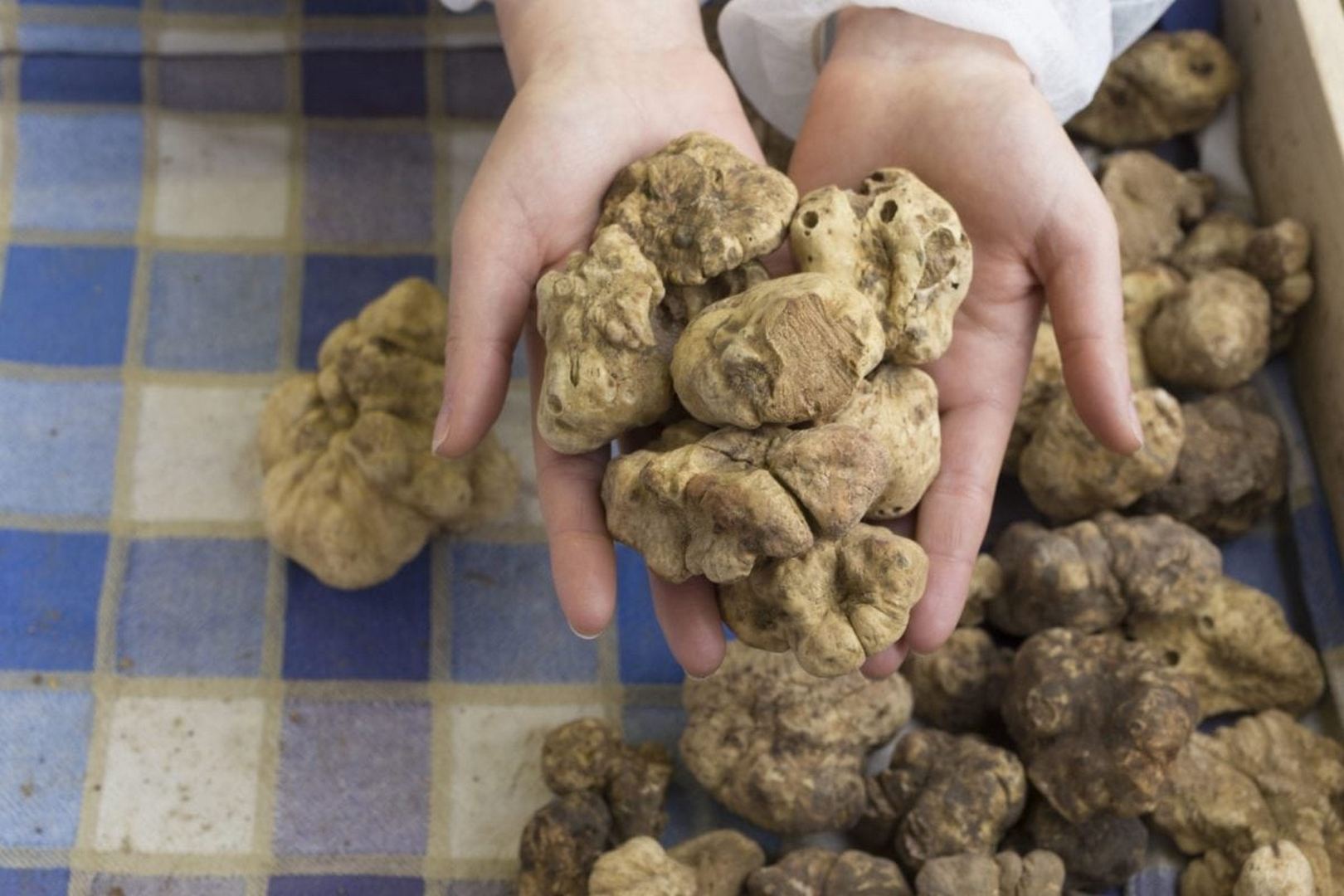
Truffle-producing areas in Tuscany: where nature guards its treasure
- the Colline Samminiatesi (San Miniato), famous for the white truffle and the heart of the local truffle fair;
- the Crete Senesi (San Giovanni d’Asso) and Montepulciano, renowned for the white truffle of the Sienese hills;
- the Mugello and Casentino, Apennine areas where truffle harvesting—white, bianchetto, and also black varieties—has deep historical roots;
- and the Val Tiberina, also listed among recognized harvesting areas.
Other inland areas, such as the Valdichiana and parts of southern Tuscany, are frequently noted by local operators and associations for the presence of scorzone, marzuolo, and other varieties, especially in favorable years. In all these areas, the presence of truffles depends heavily on natural factors such as soil, symbiotic trees, rainfall, and microclimate; therefore, historical suitability does not guarantee a harvest every season. For this reason, it is always advisable to consult local truffle hunters or recognized initiatives before planning a hunt.
Truffle hunting: how does it work?
Types of experiences: hunting, tastings, courses, and tours
- The most iconic experience is truffle hunting with a truffle hunter and trained dog. It is perfect for those who want to have direct contact with nature and understand how truffles grow, how they are found, and which factors determine their quality and rarity.
- A highly appreciated option combines the hunt with a guided tasting: after the walk, participants sit down to sample fresh truffles paired with local products and regional wines—an ideal opportunity to understand aromas, textures, and pairings.
- Some experiences also include short cultural tours through villages, vineyards, and certified truffle areas, perfect for those who want a broader view of the Tuscan landscape and truffle-hunting tradition.
- For enthusiasts who want to go deeper, there are introductory courses on identifying species, hunting techniques, soil characteristics, and, finally, the preservation and culinary use of truffles.
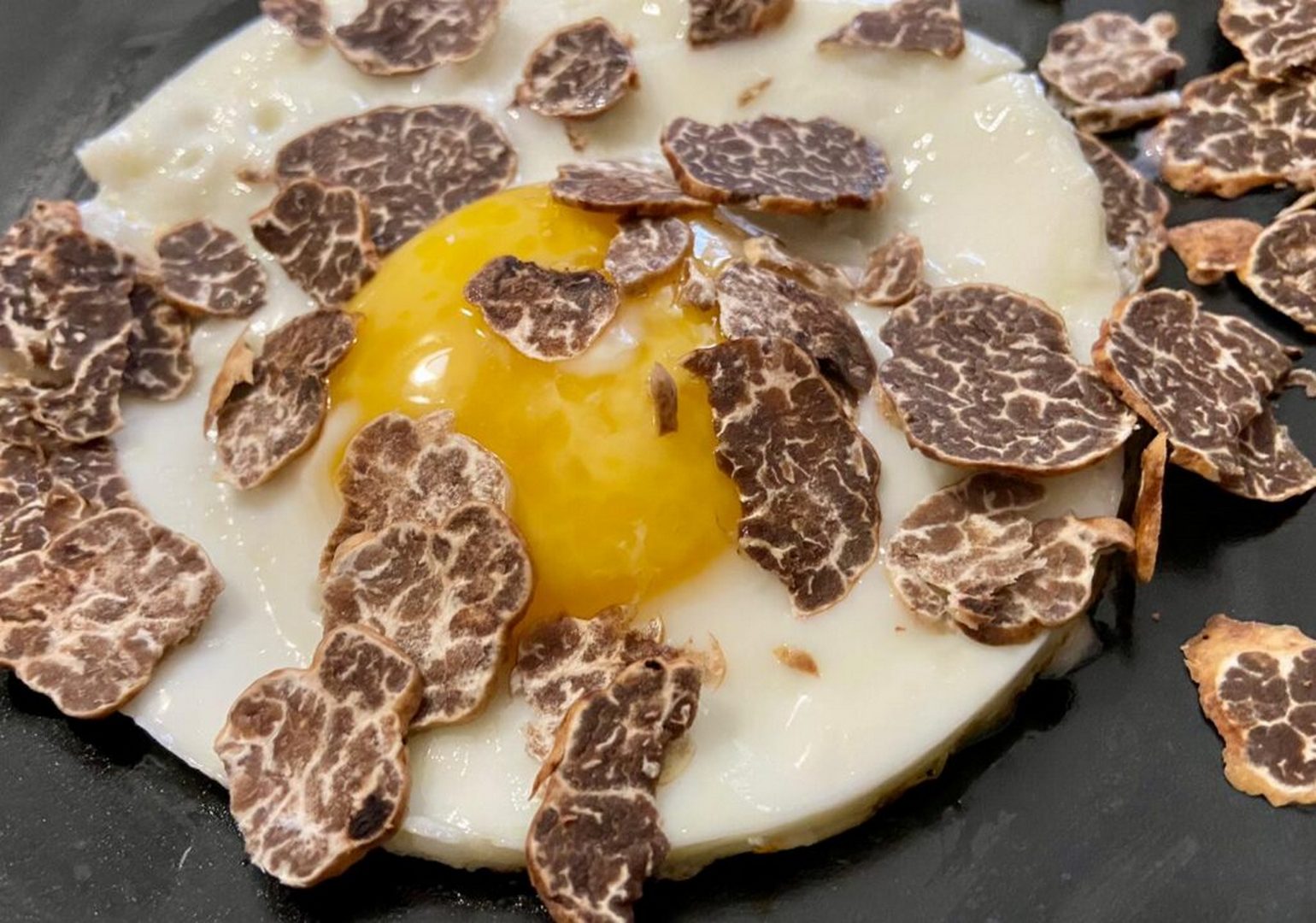
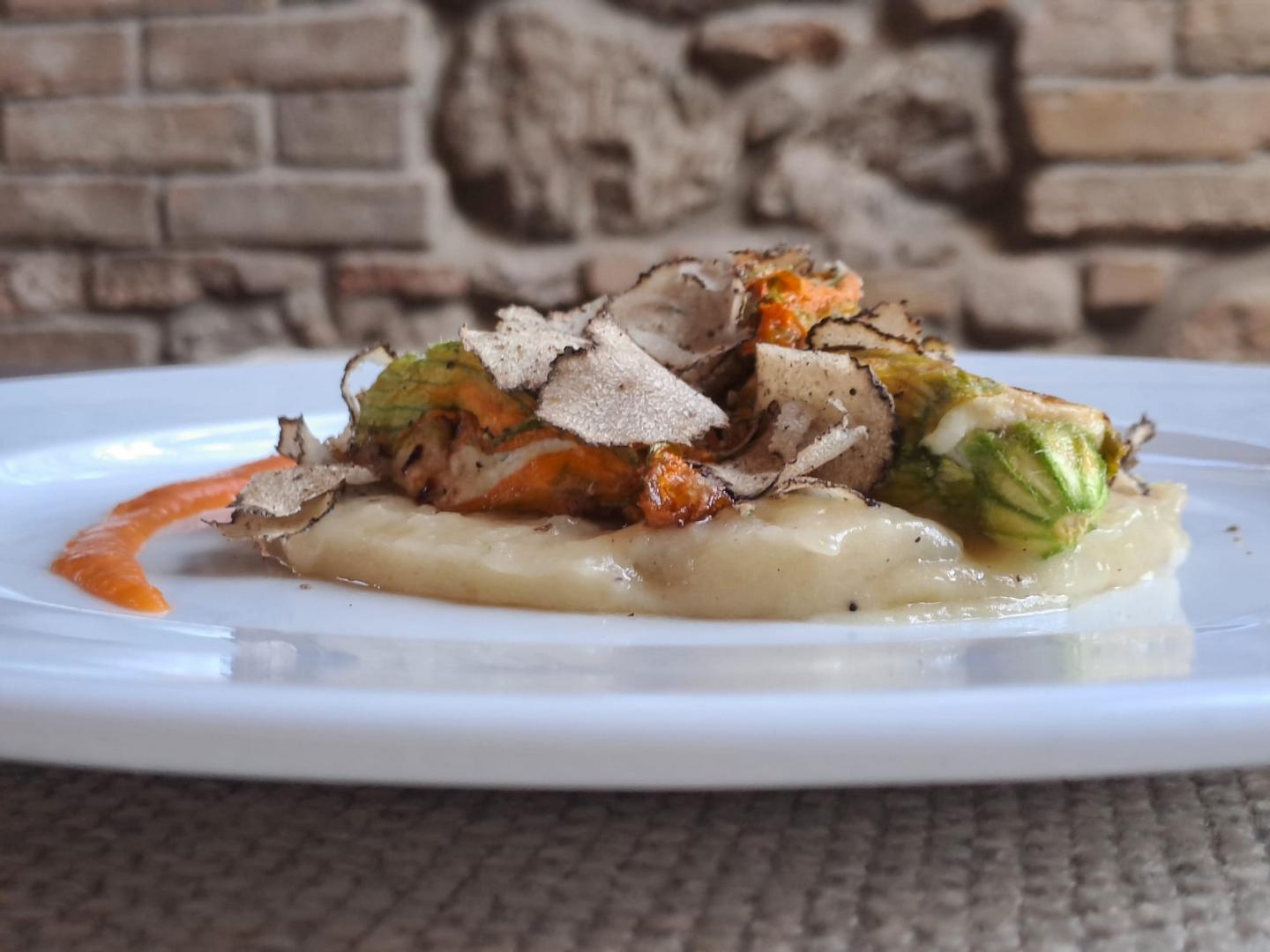
Truffle hunting and tasting: the heart of the Fattoria del Cerro experience
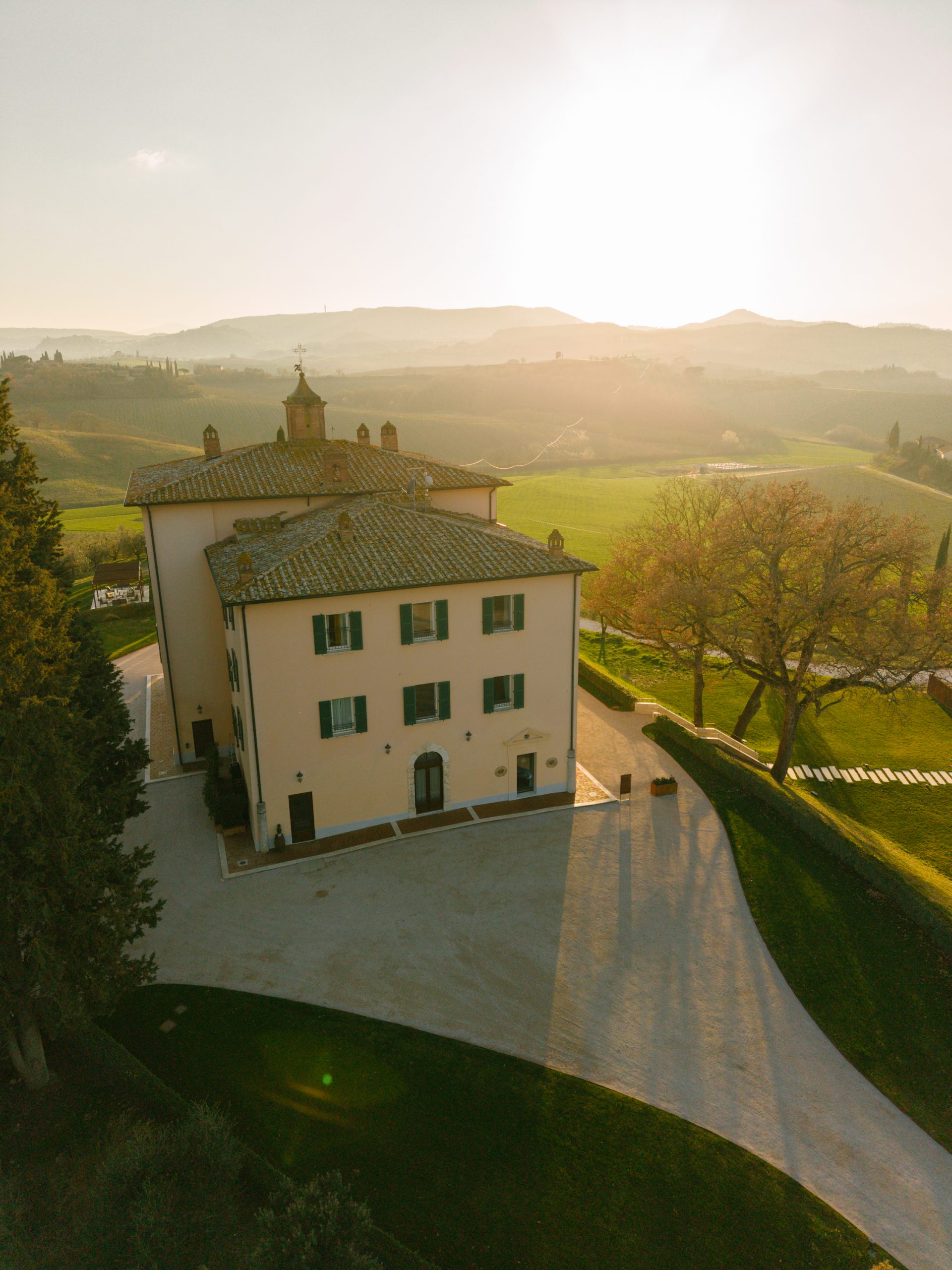
Fattoria del Cerro