Recognizing a quality wine: a practical guide to choosing the right bottle
What to consider before uncorking: how to choose a good bottle of wine
- Appellation and origin: as discussed in our in-depth feature on wine classification, a DOC, DOCG, or IGT designation indicates specific regulations and controls that can be a guarantee of quality.
- Grape variety: knowing which grape is used helps anticipate aromas, body, and aging potential.
- Vintage: it’s not just a number, but an indicator of climatic conditions, ripeness, and potential longevity.
- Producer: a look at the winery’s reputation—vineyard practices, production philosophy, and transparency—can make a real difference.
- Method and yield: selected grapes, low yields per hectare, and careful winemaking are often signs of attention and qualitative potential.
This initial selection doesn’t guarantee everything, but it certainly filters out many mediocre bottles, helping guide you toward more informed and conscious choices.
How to recognize a genuine wine in three steps: sight, smell, taste
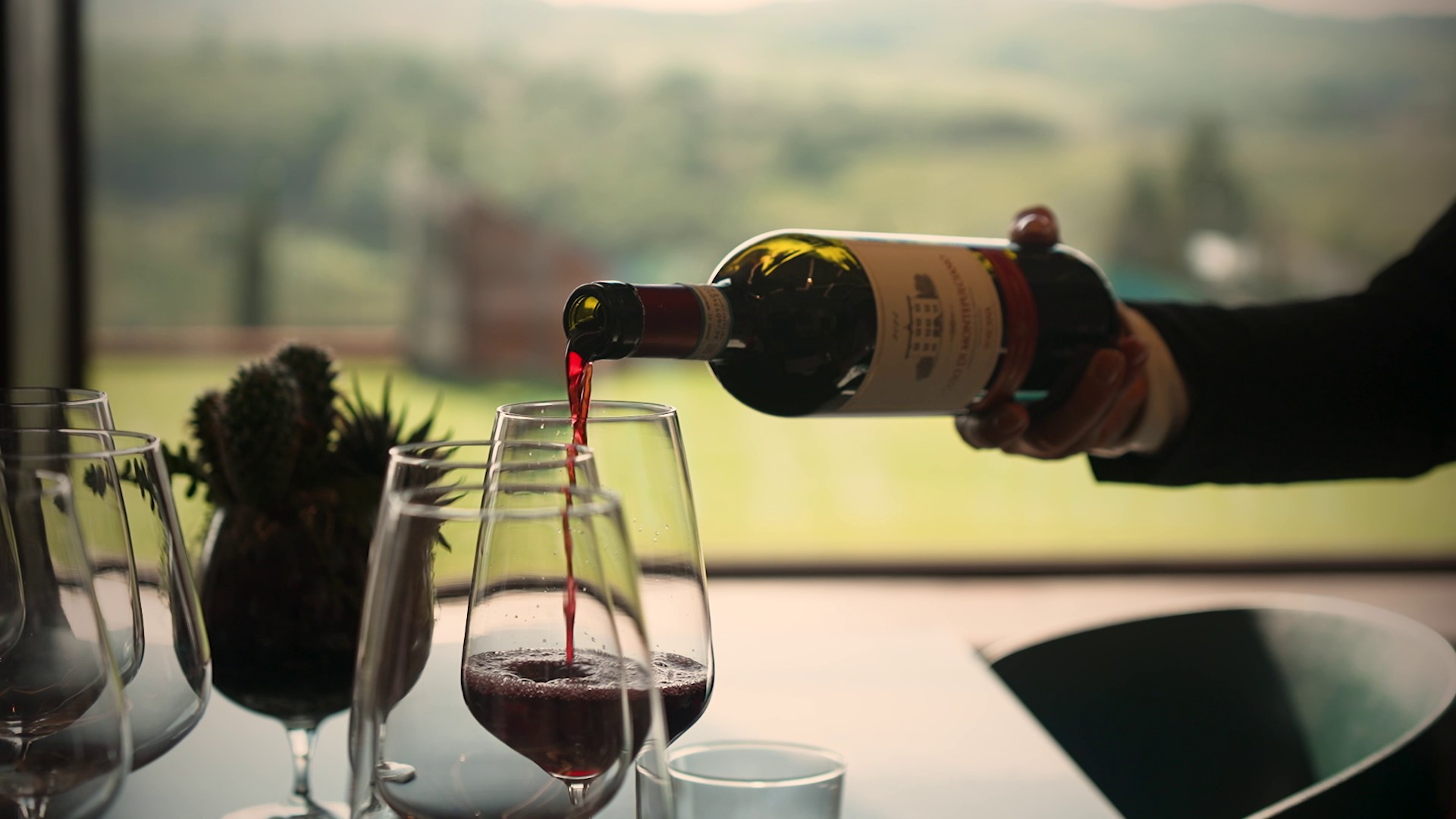
When we taste a wine, it’s important to know how to “read” what it offers us: a good wine immediately reveals valuable information.
By sight
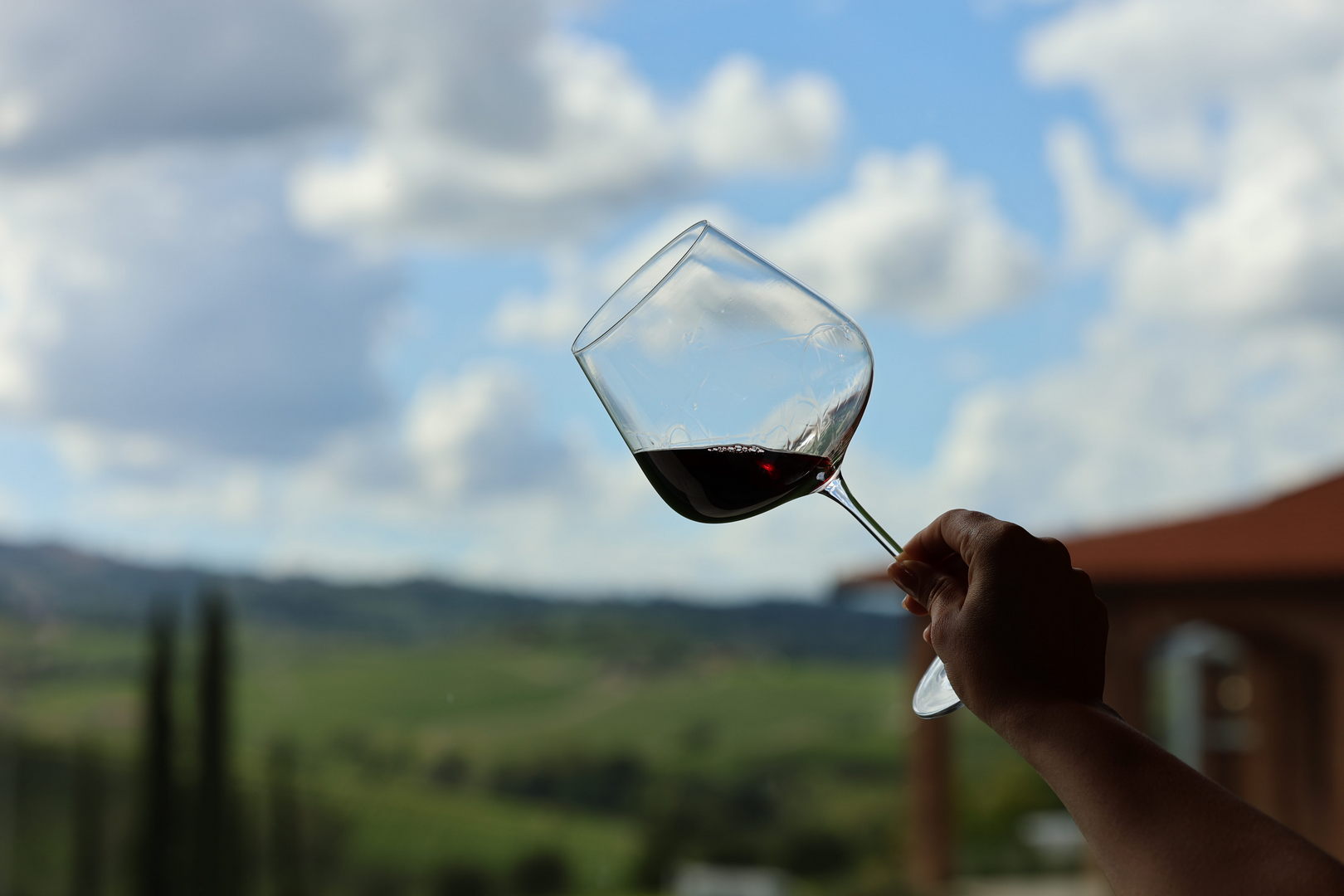
- A quality wine is first recognized by its clarity: in the glass it should appear clean and bright, free from haziness or abnormal cloudiness. The presence of sediment is not necessarily a flaw—it can be natural in unfiltered wines or in mature bottles—but it should be consistent with the wine’s style.
- Color tells much about a wine’s history. White wines range from pale straw yellow to deeper golden tones, while reds move from vivid ruby to deeper garnet hues. The shades should be harmonious and proportionate to the wine’s age and structure; excessively dull colors or marked shifts toward brown or orange may indicate oxidation or improper storage. In a good wine, color is never random: it is lively and reflects the grape variety, the production style, and the time the wine has passed through.
- Legs or tears: these are the droplets that run down the glass after swirling the wine and can suggest alcohol content, body, or structure. Generally, the denser, more abundant, and slower they fall, the higher the alcohol and glycerin content—often associated with rich, complex, high-quality wines.
On the nose
- The sense of smell is one of the most refined tools in evaluating a wine. Bringing the glass to the nose, a quality wine reveals itself through a clean, clear, and recognizable aroma, free from unpleasant notes such as mold, cork taint, vinegar-like smells, or pronounced oxidation, which often signal flaws in winemaking or storage.
- A good wine stands out for its aromatic intensity, perceived naturally, and above all for the complexity of its bouquet: successive layers of aromas that may range from fresh and ripe fruit to floral notes, from aromatic herbs to spices, and even subtle mineral or tertiary nuances such as tobacco, leather, or forest floormin more evolved wines.
- Equally essential is coherence with the grape variety, the terroir, and the wine’s age: the aromas should “tell the story” of the grapes they come from and the context in which they were produced. A Sauvignon Blanc, for example, will show fresh, vegetal characteristics, while a young wine is unlikely to display deep tertiary notes typical of long aging. In a well-made wine, every aroma is part of a recognizable and natural balance.
On the palate
- Tasting is the moment when a wine truly reveals its quality. While it remains a personal experience, there are shared parameters that help identify great balance. In a well-crafted wine, freshness (acidity), softness (alcohol and roundness), tannins, and savoriness coexist harmoniously: no single component dominates, but all contribute to a coherent and pleasurable whole.
- What also distinguishes a quality wine is its ability to evolve on the palate. The flavors echo the aromas perceived on the nose, developing naturally and leaving an elegant, persistent impression. This so-called aromatic persistence is one of the clearest indicators: a well-structured wine continues to express itself even after swallowing, with a clean, long, and harmonious finish.
- Finally, there is a sense of completeness. The body of the wine—its density, weight on the palate, and structure—must always be consistent with its style and type. A great wine is recognized because nothing feels out of place: every element is present, measured, and in its proper role, serving the wine’s overall elegance.
What makes a wine truly exceptional
Why tasting changes everything: the experiences of Tenute del Cerro
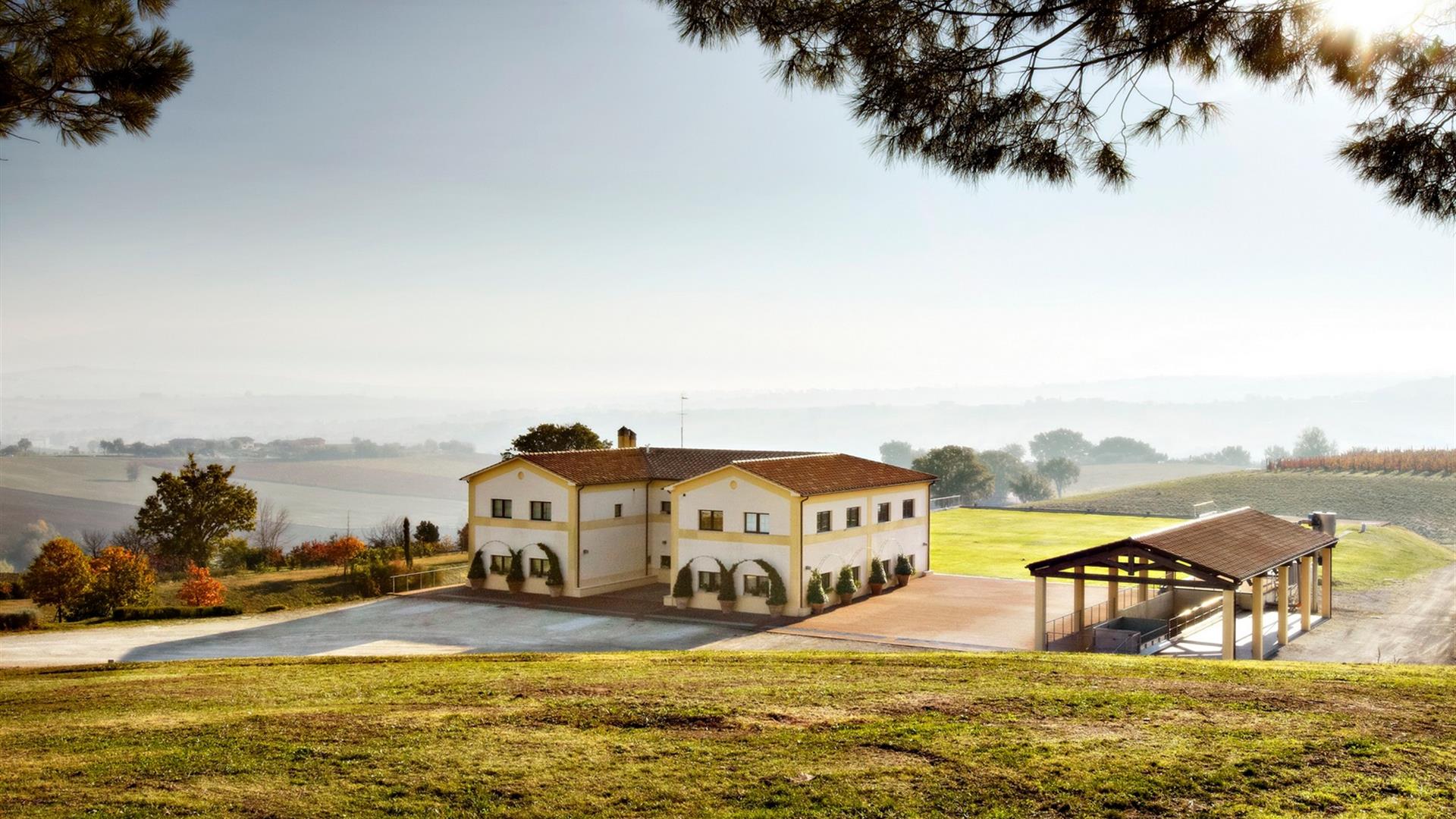
Còlpetrone