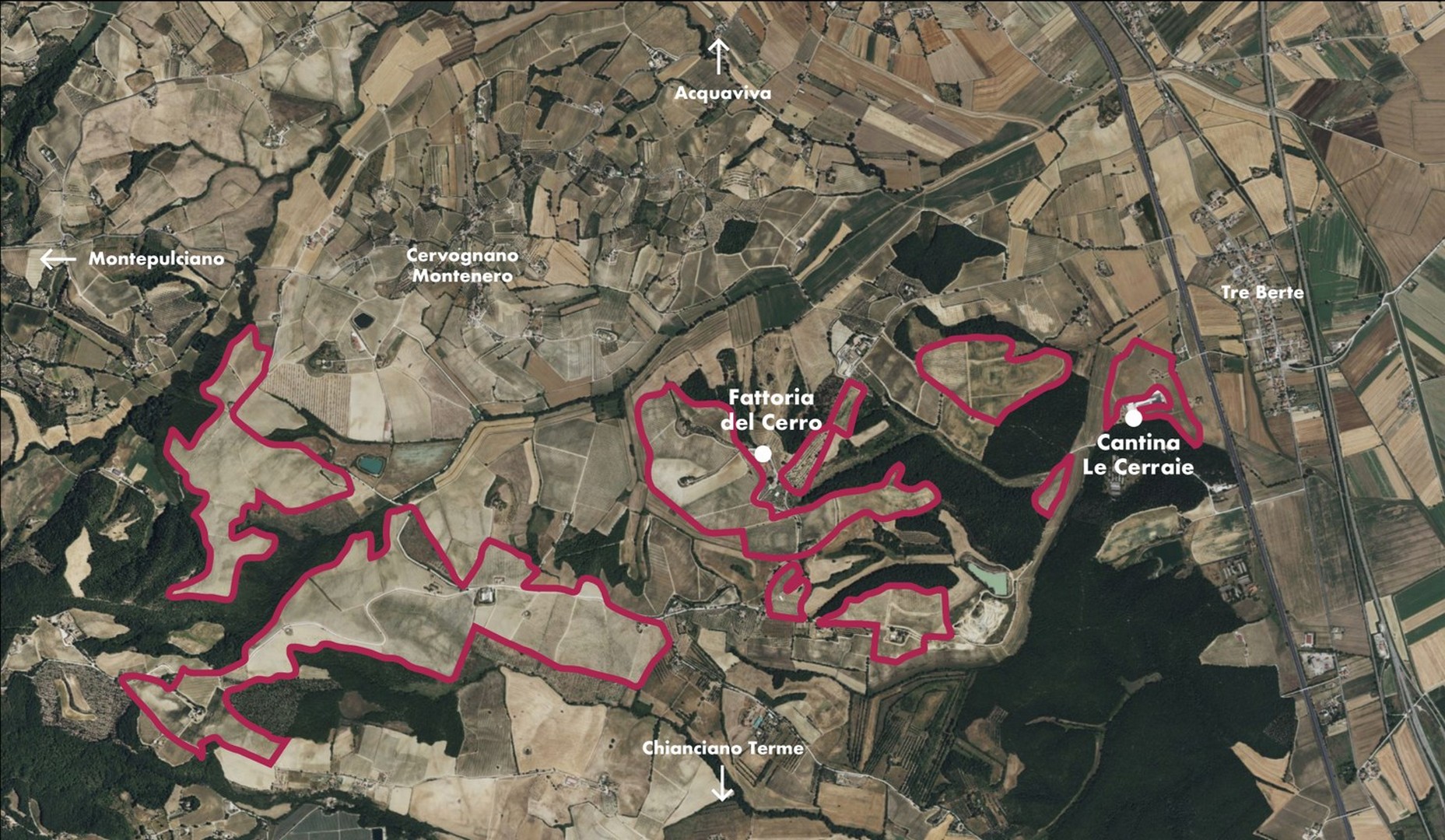
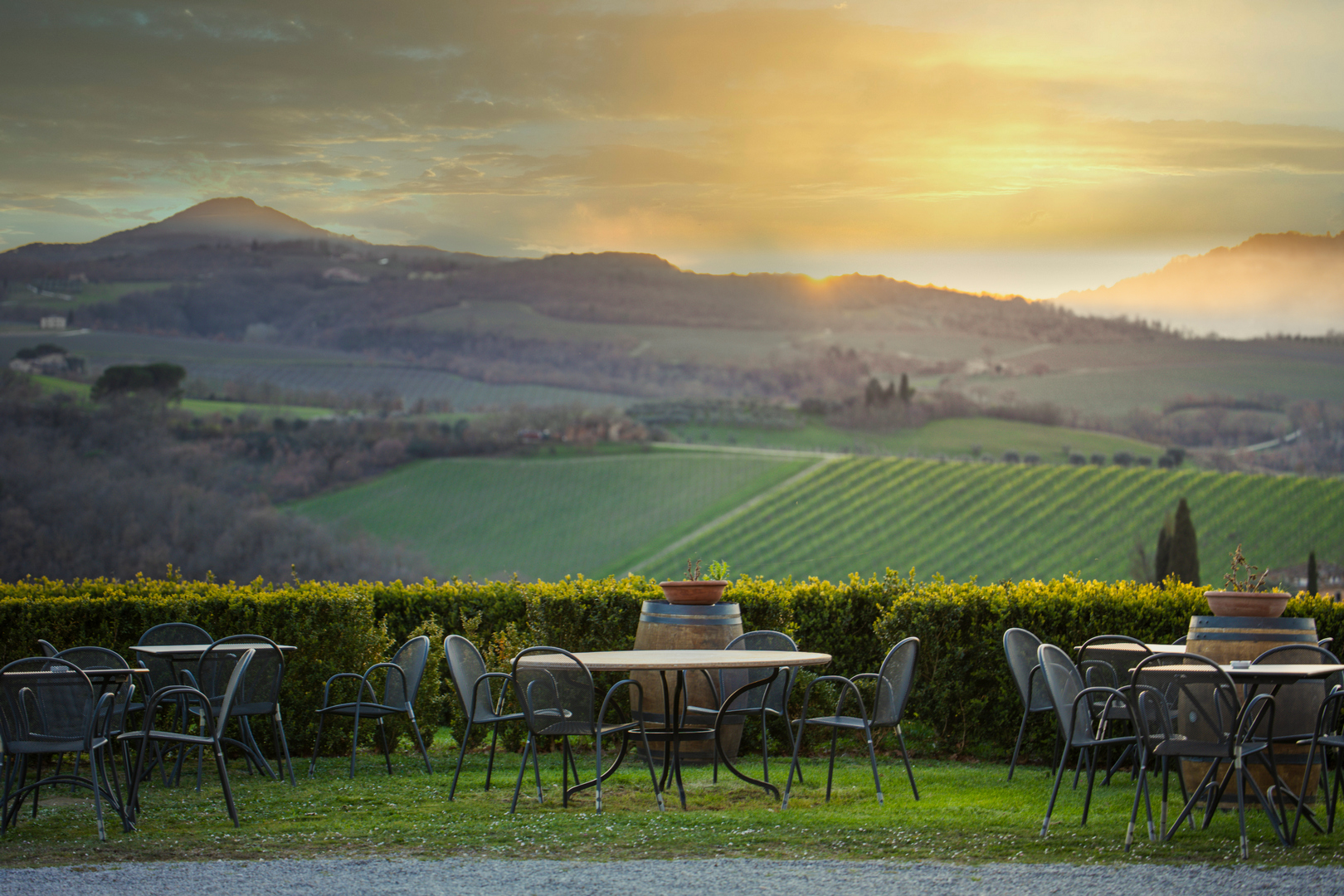
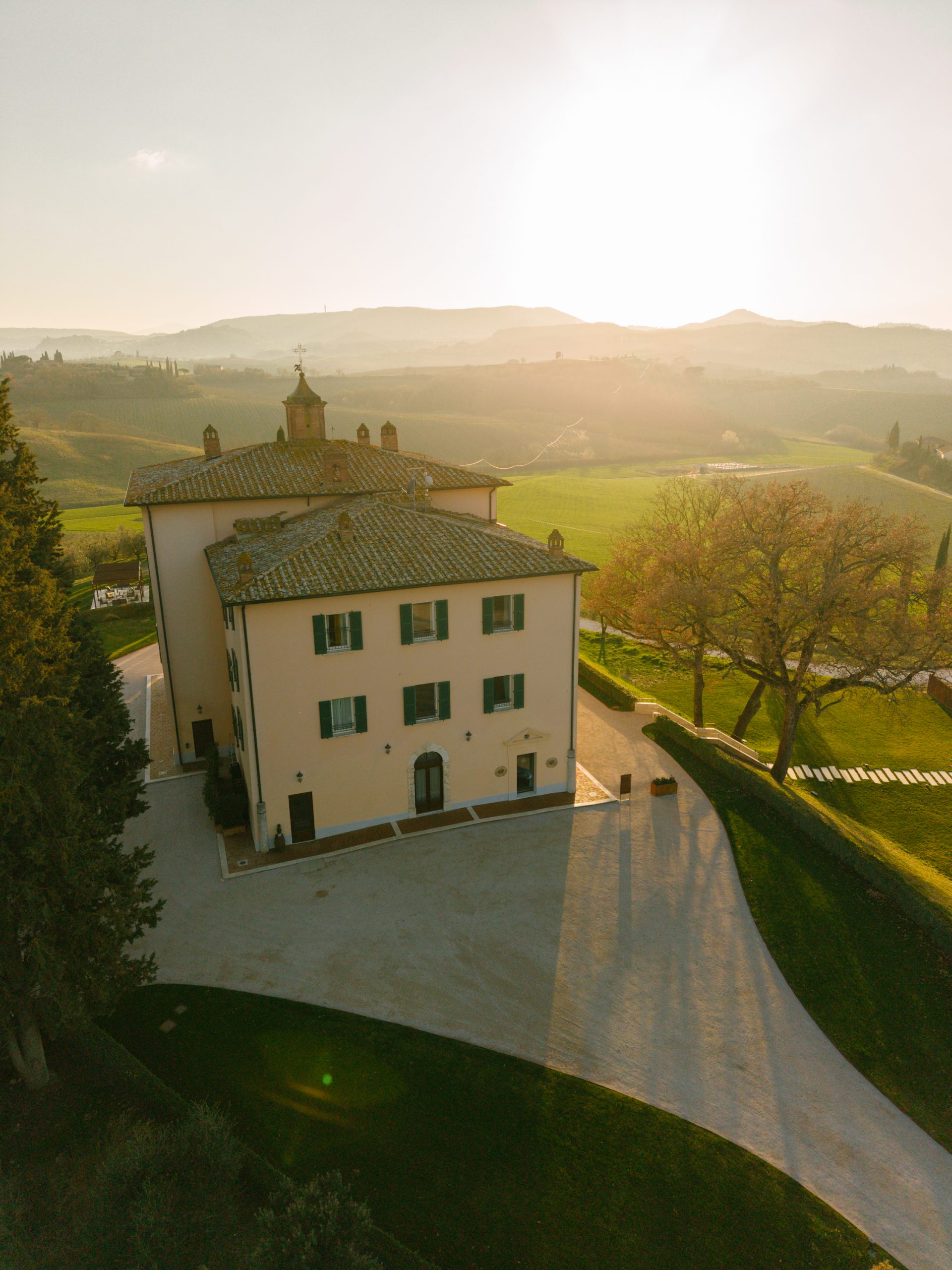
The history of Fattoria del Cerro began in 1922, on the Baiocchi family’s land in Acquaviva, where farmland alternates with cerro woods and cultivation is still dictated by sharecropping. In 1978, the estate was acquired and integrated into the Tenute del Cerro group. It was in the 1980s, however, that the company took a new direction: the estate participated in the qualitative revival of Vino Nobile, when the Consortium obtained the DOCG designation—one of the first recognized in Italy—and Montepulciano consolidated its place among the great Italian wine appellations, alongside Barolo and Chianti.
Why is it called “Vino Nobile”: an aristocratic heritage
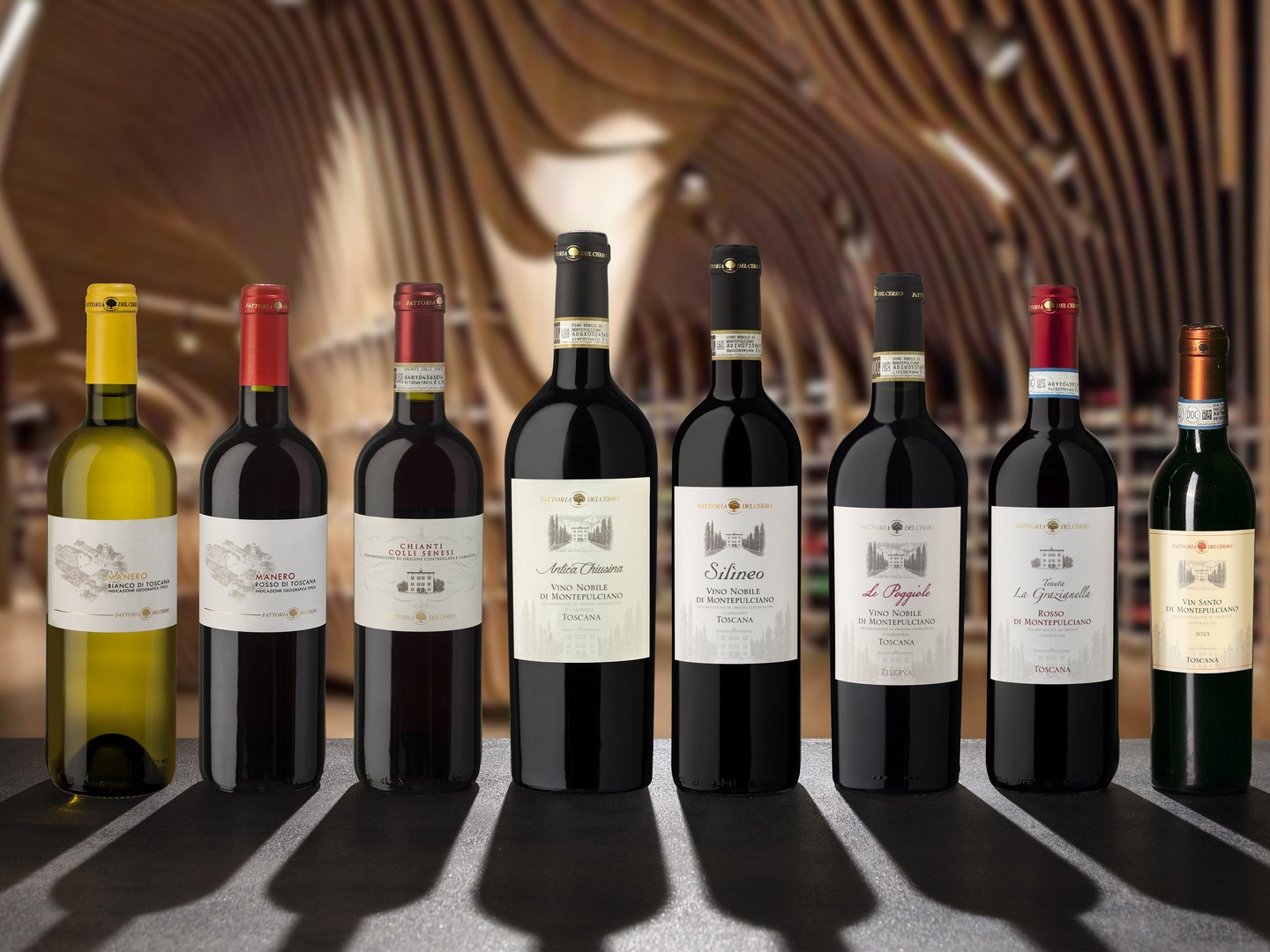
Until the late 1970s, the Tuscan countryside was organized according to the sharecropping system, with closed-loop farms where the harvest was divided between those who worked the land and those who owned it: approximately 52% of the production went to the sharecropper and 48% to the aristocratic family who owned the estate. While the farmer’s wine was served immediately, the noble family’s wine remained in barrels to age for a long time: the time spent in wood transformed its structure and flavor and enhanced its value. Therefore, the name “Vino Nobile” di Montepulciano was born from this “aristocratic” practice. Even today, Vino Nobile di Montepulciano DOCG has a production regulation that requires a total maturation of between 12 and 24 months, starting January 1st of the year following the harvest.
Montepulciano terroir: clay, fossils, and prehistoric sediments
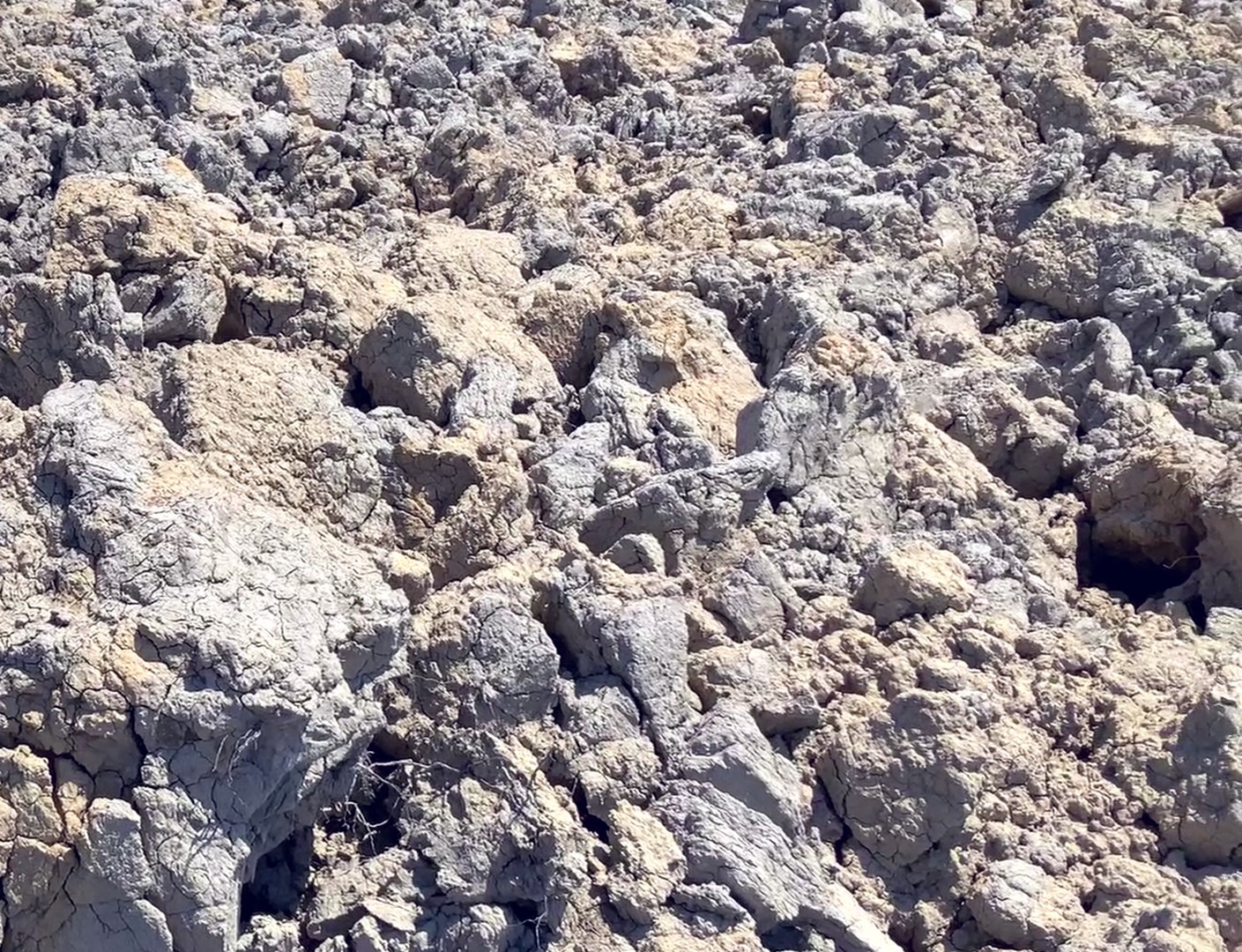
The hills of Fattoria del Cerro are formed from Pliocene sediments, with stratigraphy that changes even within a short distance. Millions of years ago, this area was a seabed: what is now a vineyard still retains traces of that geological past in its terroir.