A guide to Tenute del Cerro’s Tuscan and Umbrian wines: from classics to new trends.
Tuscan and Umbrian wines: differences, grape varieties and production areas
Comparing Terroirs: Montepulciano, Montalcino, Val di Cornia, and Montefalco
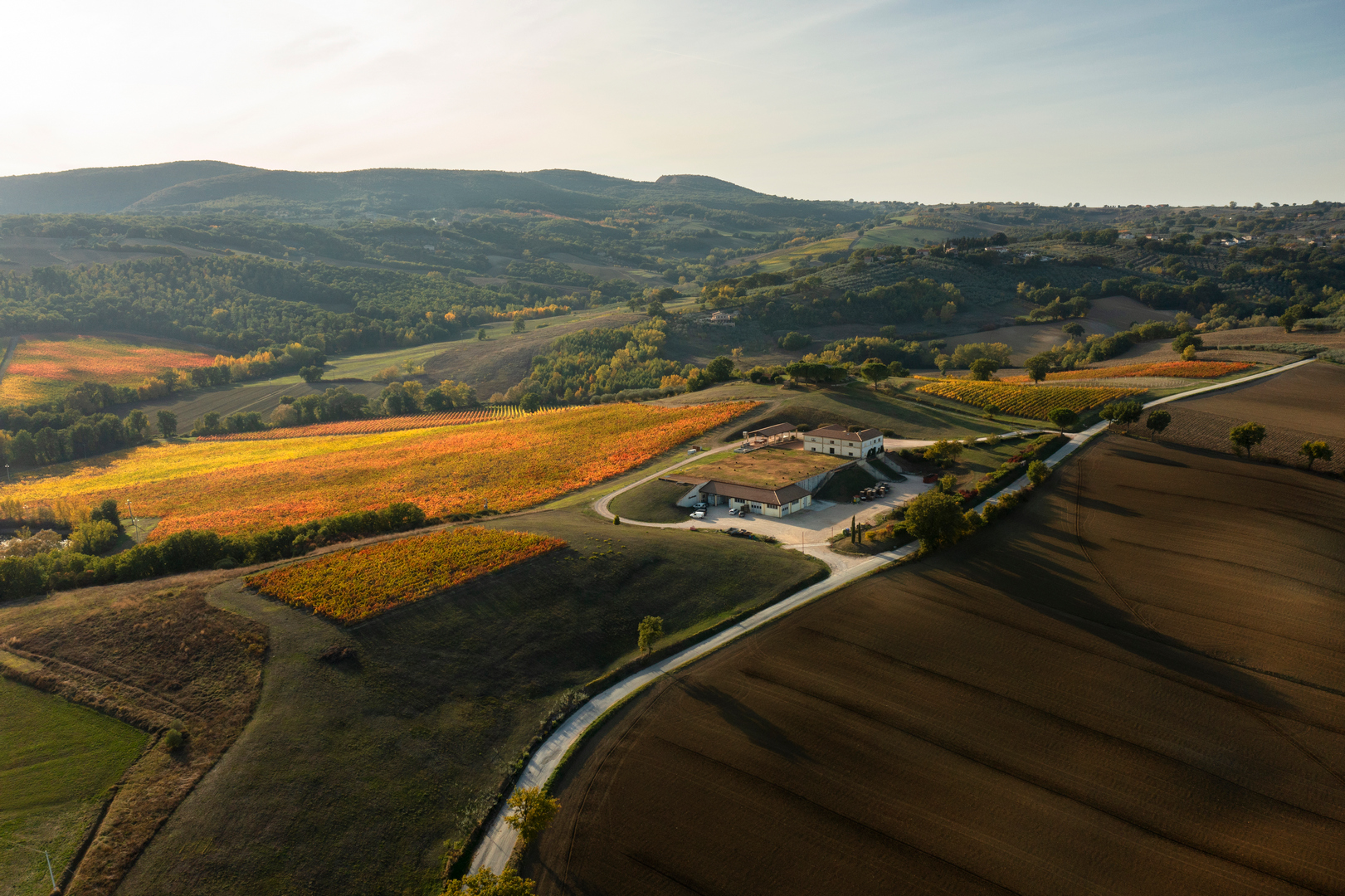
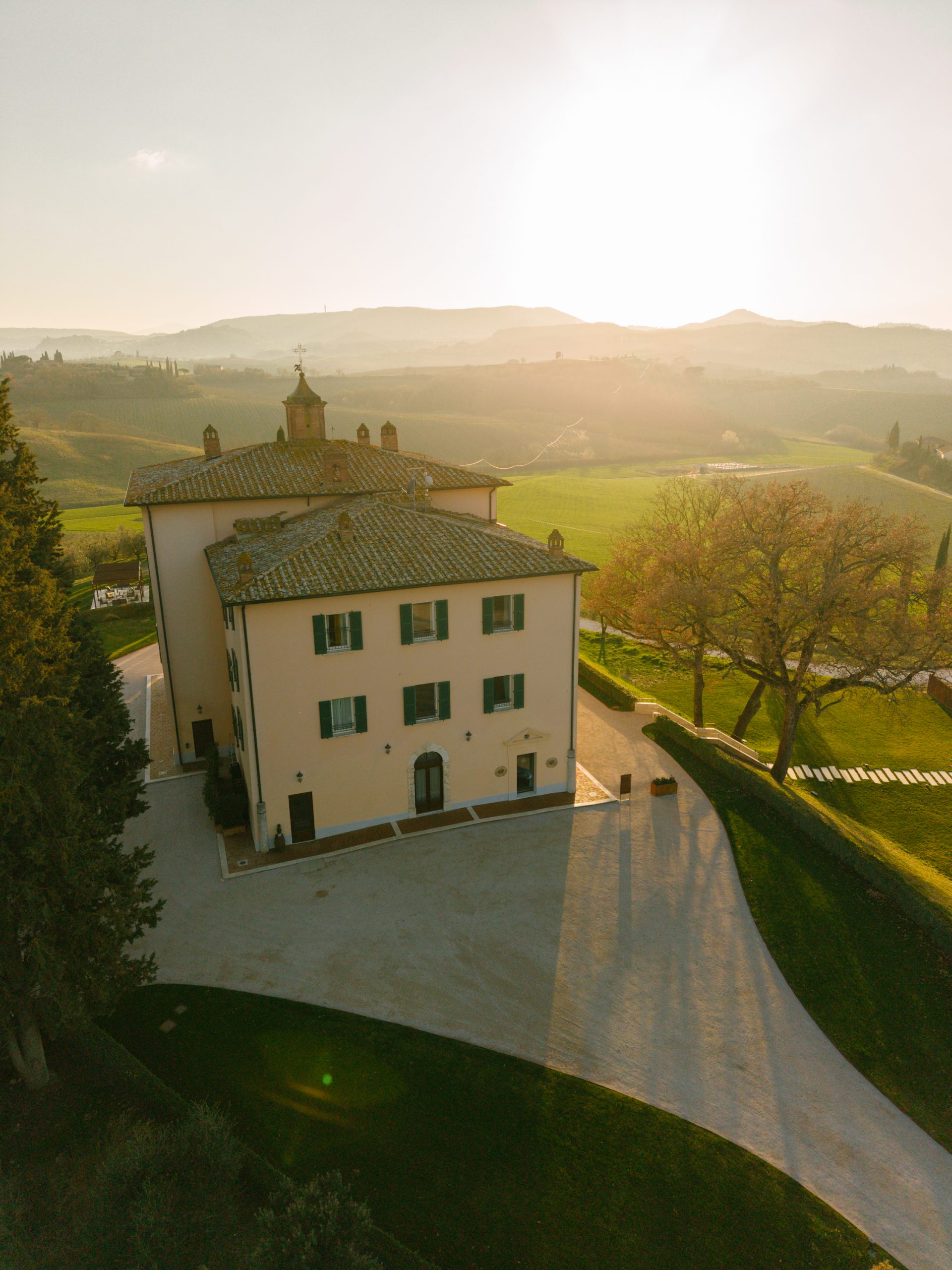
The differences between Tenute del Cerro wines largely depend on their terroir. Fattoria del Cerro is located on the hills of Montepulciano, in Tuscany, between 250 and 600 meters above sea level, on a mosaic of clay, sand, and sandstone: the Prugnolo Gentile (a local Sangiovese biotype) emerges with measured tannins and a refreshing freshness. La Poderina, in Montalcino, has soils of galestro and alberese: here the Sangiovese Grosso is concentrated and austere.
Monterufoli, in Val di Cornia, is a Tuscan organic farm within a nature reserve of over a thousand hectares between the Val di Cecina and the sea. They produce a Vermentino with a distinct marine flavor and a DOCG red wine from mineral-rich soils.
Còlpetrone, in the Montefalco area of Umbria, is the largest privately owned Sagrantino producer: 63 hectares of vineyards on clay-limestone soils, with marked temperature variations between day and night. The fifth estate, Montecorona, is dedicated to Umbrian agricultural products: DOP extra virgin olive oil, peaches, hazelnuts, and ancient grain flour.
The best Tuscan reds: from Vino Nobile to Brunello di Montalcino
Vino Nobile di Montepulciano, Rosso and Chianti: Wines of Fattoria del Cerro
The estate’s flagship wine is Vino Nobile di Montepulciano DOCG, and Silìneo is its flagship wine: awarded three glasses by Gambero Rosso for six consecutive years and 92 by James Suckling. Antica Chiusina is the cru, produced only in the finest vintages. The Riserva develops notes of tobacco, leather and sweet spices, with more relaxed tannins.
Starting from 2026, Pieve Sant’Ilario has been added: a Vino Nobile di Montepulciano DOCG with the “Pieve” designation, a fine wine produced in limited quantities.
Brunello di Montalcino and Red DOC: La Poderina wines
The Brunello di Montalcino DOCG is aged for at least five years, two of which in oak. More concentrated, it has an aging potential exceeding thirty years in good vintages—it’s the quintessential wine to uncork on special evenings. Poggio Abate is the estate’s Riserva: 24 months in French oak with weekly batonnage, then further aging in bottle.
The Rosso di Montalcino DOC is the more informal version: light tannins and an excellent quality-price ratio. The Rosso di Toscana IGT, aged in stainless steel, completes the range.
Val di Cornia Rosso DOCG: the Tuscany Coast Sangiovese
The Poggio Miniera Val di Cornia Rosso DOCG is a single-varietal red wine aged in oak for about a year, born from a mineral-rich terroir with good aging potential. It’s the wine that makes Monterufoli recognizable even in its red wines, alongside the Vermentino for which the estate is best known.
Sagrantino di Montefalco DOCG and other Umbrian reds from Còlpetrone
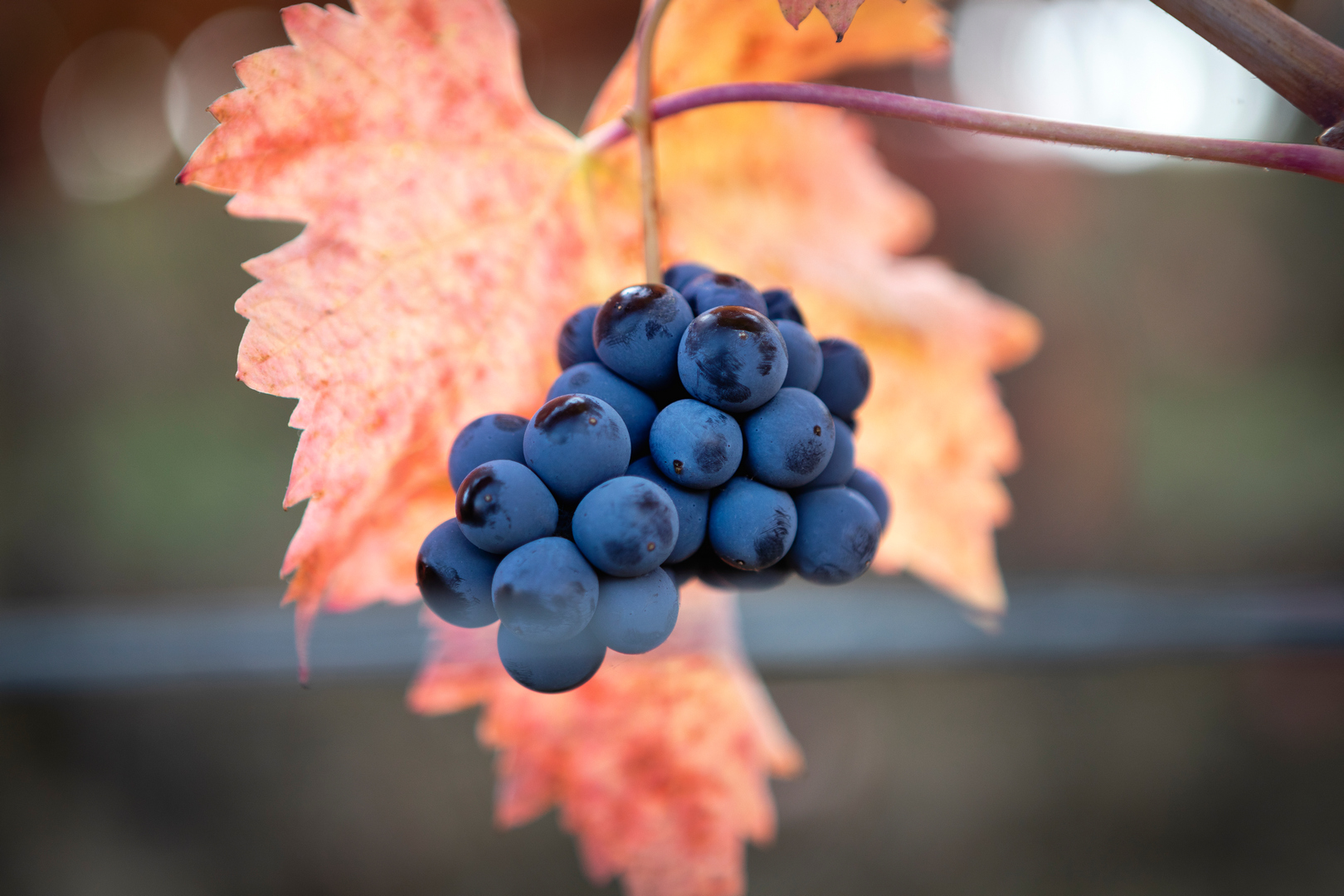
- Memoira: the estate’s first Sagrantino: powerful, concentrated, and long-lived, aged 12 months in French oak barrels.
- Sacer: made from the finest plots in terms of exposure and soil type: aged 18 months in wood, followed by aging in steel and bottle for at least 12 years—this is its uniqueness.
- Ò di Còlpetrone: made from one of the most suitable parcels, in the historic cradle of the grape variety.
Montefalco Rosso is the most versatile Umbrian red: a blend of Sangiovese, Sagrantino, and other varietals, it is smooth and suitable for pairing with numerous dishes. Finally, the Saccr Umbria Rosso IGT is a blend of Sangiovese, Sagrantino, Merlot, and Cabernet Sauvignon, aged exclusively in stainless steel. Fresh and enveloping, with notes of ripe cherry and soft tannins, it has received numerous awards, including 90 points from both Vinous and James Suckling.
Tuscan and Umbrian white, sparkling and dessert wine
Vermentino Pian di Seta, Grechetto and Manero Bianco: white wines of estates
Awarded the best white wine in Tuscany at the Mundus Vini Spring Tasting 2024, Pian di Seta is a Vermentino produced in the Monterufoli nature reserve, between the Val di Cornia and Val di Cecina. It is characterized by notes of white flowers and white-fleshed fruit, along with the typical aromas of grapes grown on mineral-rich soils.
Grechetto di Còlpetrone is the Umbrian white wine from the Montefalco area: sweet with good acidity. A still wine with a range of lively aromas on the nose and on the palate. Finally, Manero Bianco from Fattoria del Cerro is a blend of white grapes traditionally grown in the estate’s vineyards: fresh and pleasant, it’s perfect for any occasion.
Sparkling and dessert wine of Tenute del Cerro
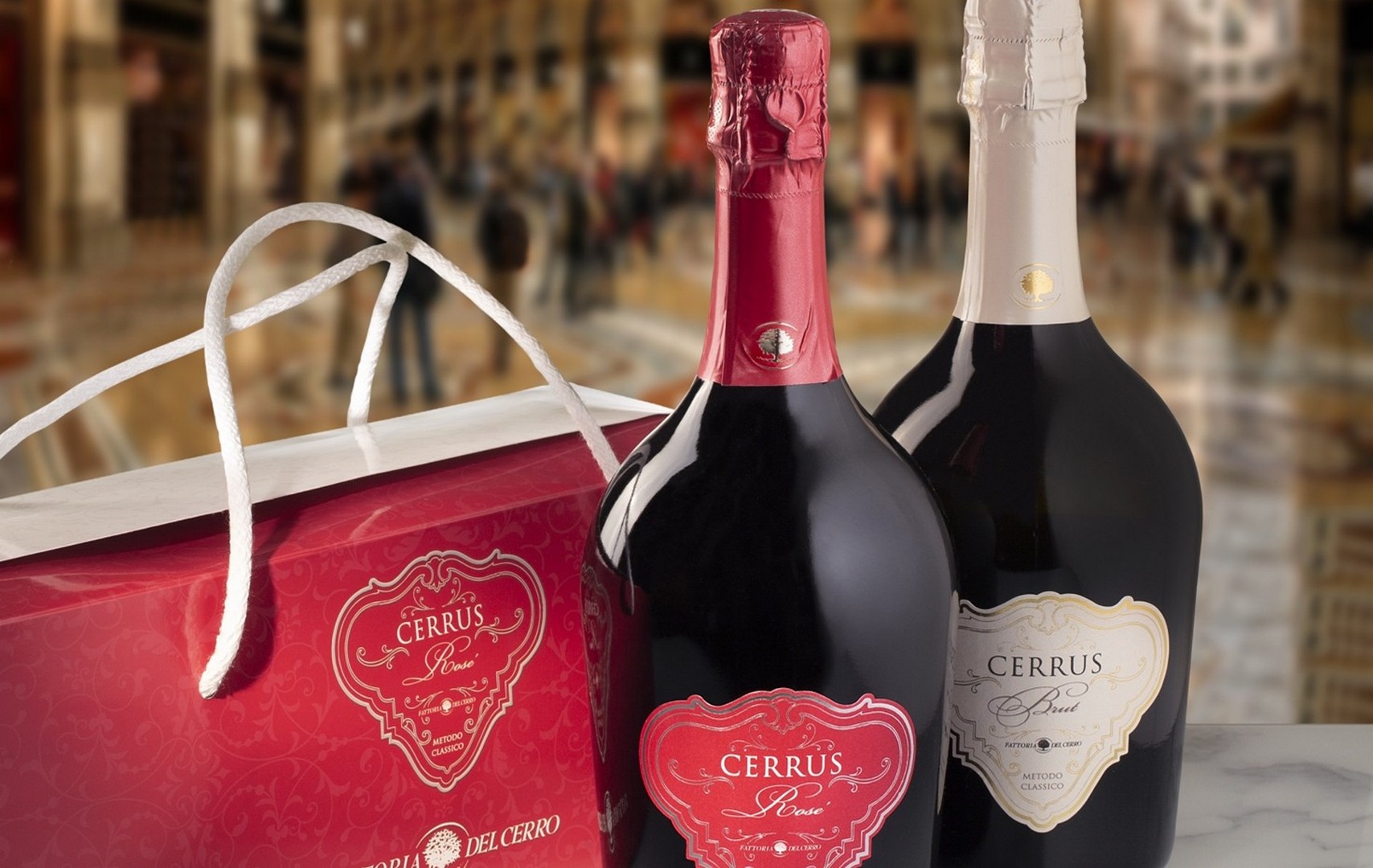
Cerrus Brut is the estate’s first classic method sparkling wine: made from the finest white grapes from the Fattoria del Cerro vineyards, it ages on the lees for at least 24 months, with delicate floral notes and hints of bread crust. Cerrus Rosé, made from Sangiovese (Prugnolo Gentile), has hints of raspberry and cherry and a fine, persistent perlage.
Vin Santo di Montepulciano DOC is the traditional Tuscan meditation wine: obtained from a rigorous manual selection of Trebbiano Toscano and Malvasia grapes, it follows the classic drying process that concentrates sugars and aromatic precursors. More fragrant, La Poderina’s Moscadello di Montalcino is a sweet white wine with an extremely elegant sensory profile and a vibrant bouquet. Finally, Còlpetrone’s Sagrantino Passito is a full-bodied red passito that combines deep notes of blackberry and cherry preserved in alcohol with a finely spiced and persistent finish.
Tuscan and Umbrian wines at the table: pairings, occasions, and bottles to give as gifts
From Florentine steak to black truffle: the perfect pairing for every dish
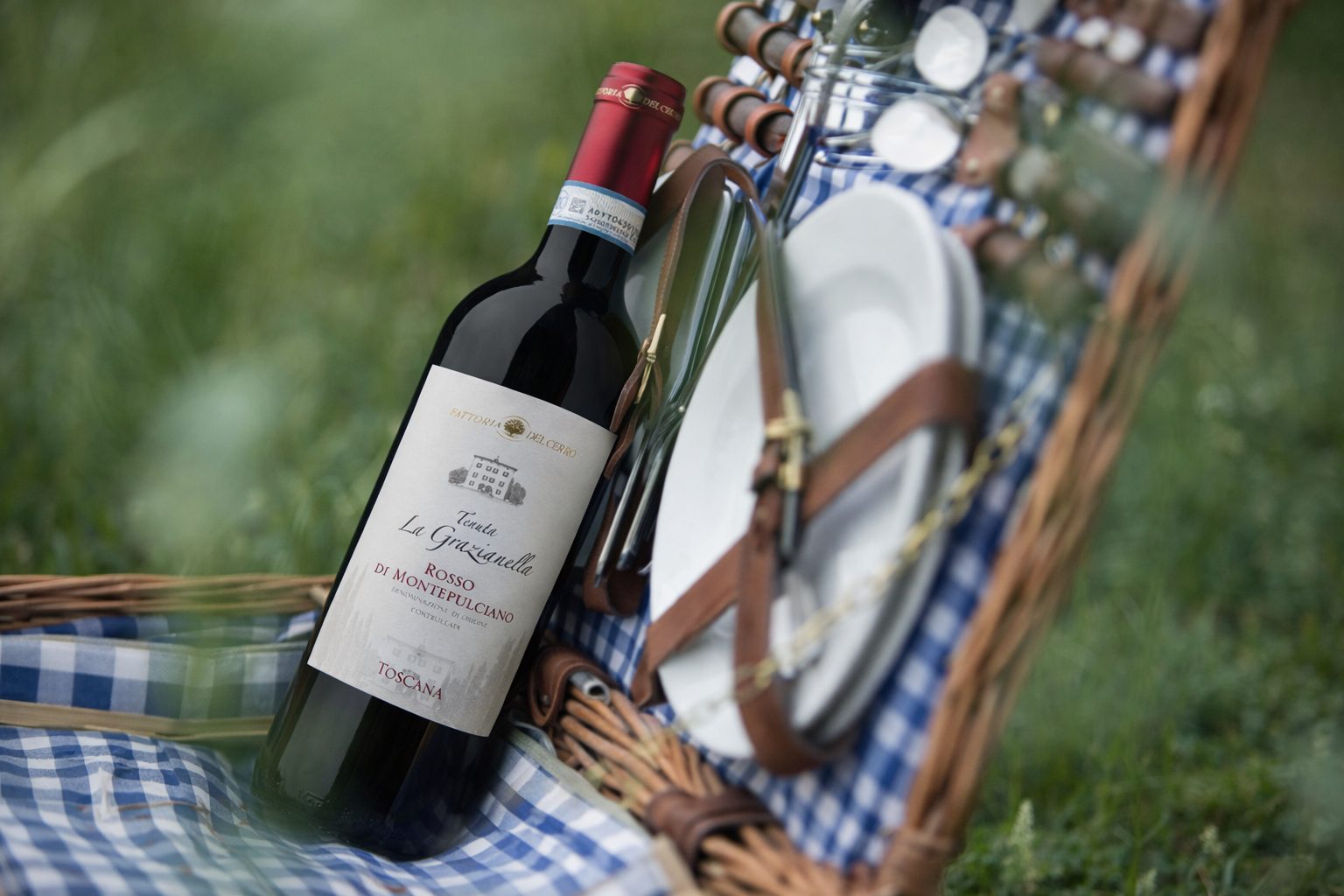
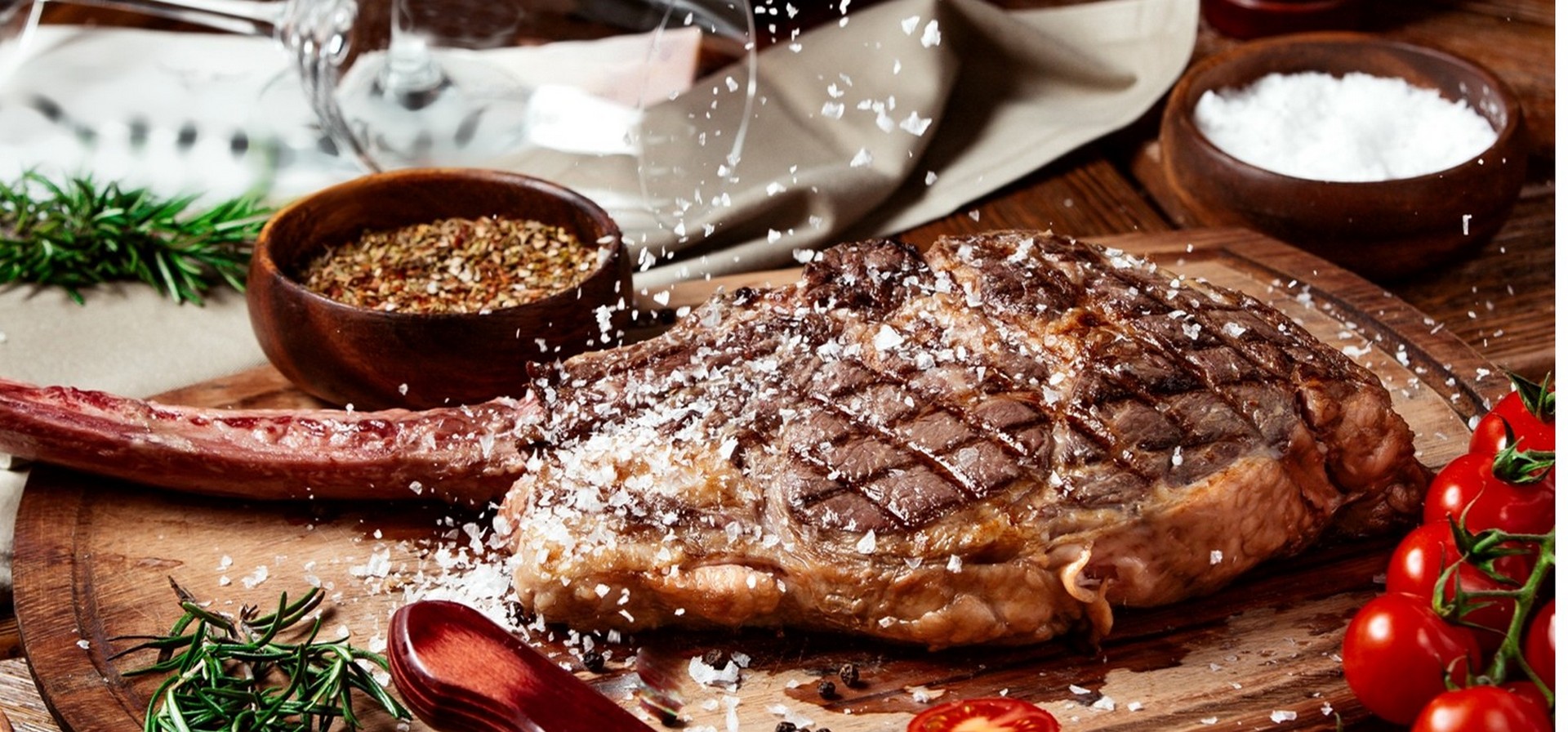
A bottle of Vino Nobile di Montepulciano pairs perfectly with Tuscan appetizers, first courses, and main courses, especially with Sienese cuisine: if your menu includes pici all’aglione (typical garlic sauce pasta), stew, or pecorino di Pienza, you’re on the safe side. Even for a Chianina Florentine steak, there’s no doubt: Brunello di Montalcino is the perfect pairing—with its character and structure, it perfectly complements the meat without being overshadowed. For less demanding dishes (such as an aperitif featuring cured meats and cheeses), Rosso di Montepulciano is the best choice. Vermentino Pian di Seta, on the other hand, is the white wine to bring to the table with fish, shellfish, and grilled vegetables.
Which wine to choose for each occasion
From grand reds to crisp whites, Tuscany and Umbria offer wines perfect for special occasions. Here are our recommendations for the best ones to uncork for each occasion:
Dai grandi rossi ai bianchi più freschi, Toscana e Umbria offrono vini che si prestano ad essere consumati in momenti speciali. Ecco i nostri consigli sui migliori da stappare a seconda dell’occasione:
- Important dinner, New Year’s Eve dinner → Silìneo (Vino Nobile di Montepulciano DOCG), Poggio Abate (Brunello di Montalcino Riserva DOCG) o Sacer (Sagrantino di Montefalco DOCG)
- Sunday lunch, barbecue with friends on Easter Monday → Rosso di Montepulciano DOC, Montefalco Rosso DOC o Manero Rosso IGT
- Aperitif, toast, birthday party → Cerrus Brut o Cerrus Rosé
- Christmas Eve, August 15th lunch → Pian di Seta (Vermentino di Toscana IGT)
- End of meal after Easter or Christmas lunch → Vin Santo di Montepulciano DOC o Moscadello di Montalcino DOC
Giving a fine wine as a gift: the right bottle for those who know how to appreciate it
Birthdays, Valentine’s Day, graduations, or name days: giving a fine wine as a gift is always a good idea. A bottle of Brunello di Montalcino is the most classic choice, but Vino Nobile di Montepulciano Riserva is also a timeless classic: recognizable, high-quality, and competitively priced among Tuscan DOCGs. Sagrantino is a less conventional but equally popular choice.
Those looking for something more elegant and festive can opt for the Cerrus Metodo Classico Brut and Cerrus Metodo Classico Brut Rosé sparkling wines: the perfect gift to share on occasions that call for a toast.
Wine in 2026: New Trends and the Tenute del Cerro Wine Club
Fresh reds, moderate alcohol content: the new preferences
More and more people are serving even the lightest reds chilled, reaching a temperature of 14-16°C. They call them “chillable reds.” Rosso di Montepulciano and Montefalco Rosso are well suited to being served this way: with their structure and acidity that tolerates storage at lower temperatures, they are perfect for uncorking on a summer evening outdoors.
The same goes for moderately alcoholic wines, which are increasingly popular: for those who prefer them, drinkability matters more than concentration. Young Tuscan and Umbrian whites and reds, with their light structure and good natural acidity, are particularly suitable.
Tenute del Cerro wine club: the online shop, selections, and advice from the estates
For those who want to stay up-to-date on wine trends and purchase award-winning labels, joining a wine club is a great idea.
Members become part of the community and receive updates from the estates, pairing tips, and invitations to tastings and winery tours. It’s also a great starting point for planning your own wine itineraries in Tuscany and Umbria—from Montepulciano to Montefalco, passing through Montalcino and the Maremma coast.
Fattoria del Cerro