Aged cheeses and wine: signature pairings blending intense and elegant flavors
When it comes to food, there are aromas and textures that tell the story of time. Aged cheeses are a perfect example: born from long maturation, they release complex aromas, toasted notes, and a pleasant savoriness that calls for the right glass of wine. When wine and cheese meet in balance, the result is a harmony capable of turning even a single bite into a small sensory journey.
Let’s explore how to create well-balanced pairings between aged cheeses and wine, along with a few suggestions to try with the labels from Tenute del Cerro
Wine and cheese: how to create the perfect pairing
When it comes to pairing food and wine, the goal should be to create “a marriage of flavors, aromas, and sensations between the two elements,” as winemaker Emanuele Nardi said in an interview. In the world of food and wine, in fact, the golden rule is balance—this applies to cheese as well. Every cheese has its own intensity, texture, and degree of savoriness, and the ideal wine is the one that accompanies it without overpowering it, enhancing its aromas instead.
In general:
fresh cheeses go best with lighter, more acidic wines;
semi-aged cheeses pair well with more structured white wines or young reds;
aged cheeses, rich and complex, call for full-bodied, aromatic, and persistent wines.
It’s a dialogue of sensations: richness meets acidity, savoriness finds balance in tannins, and aromatic intensity is mirrored by the wine’s complexity.
Pairing rules
The most successful pairings follow three main approaches: contrast, affinity, and terroir.
- Contrast: this approach focuses on combining opposite flavors to create balance on the palate. For very rich aged cheeses, for example, a white wine with its acidity can refresh and lighten the taste. A savory white or a dry sparkling wine with aged Parmesan creates a dynamic balance, where the bubbles cleanse the palate and prepare it for the next bite. A dessert wine or sweet wine can also, by contrast, enhance very aged cheeses with a spicy edge: the interplay between sweetness and savoriness amplifies aromatic nuances.
- Affinity and similarity: here the goal is continuity and harmony of flavors. A mature, enveloping red wine with notes of red fruit and spices complements the structure of an aged Pecorino or alpine Bitto, creating a perfect gustatory harmony.
- Terroir: pairing regional cheeses with wines from the same area allows you to rediscover local roots and identity. In this way, taste becomes a story of places, people, and shared traditions.
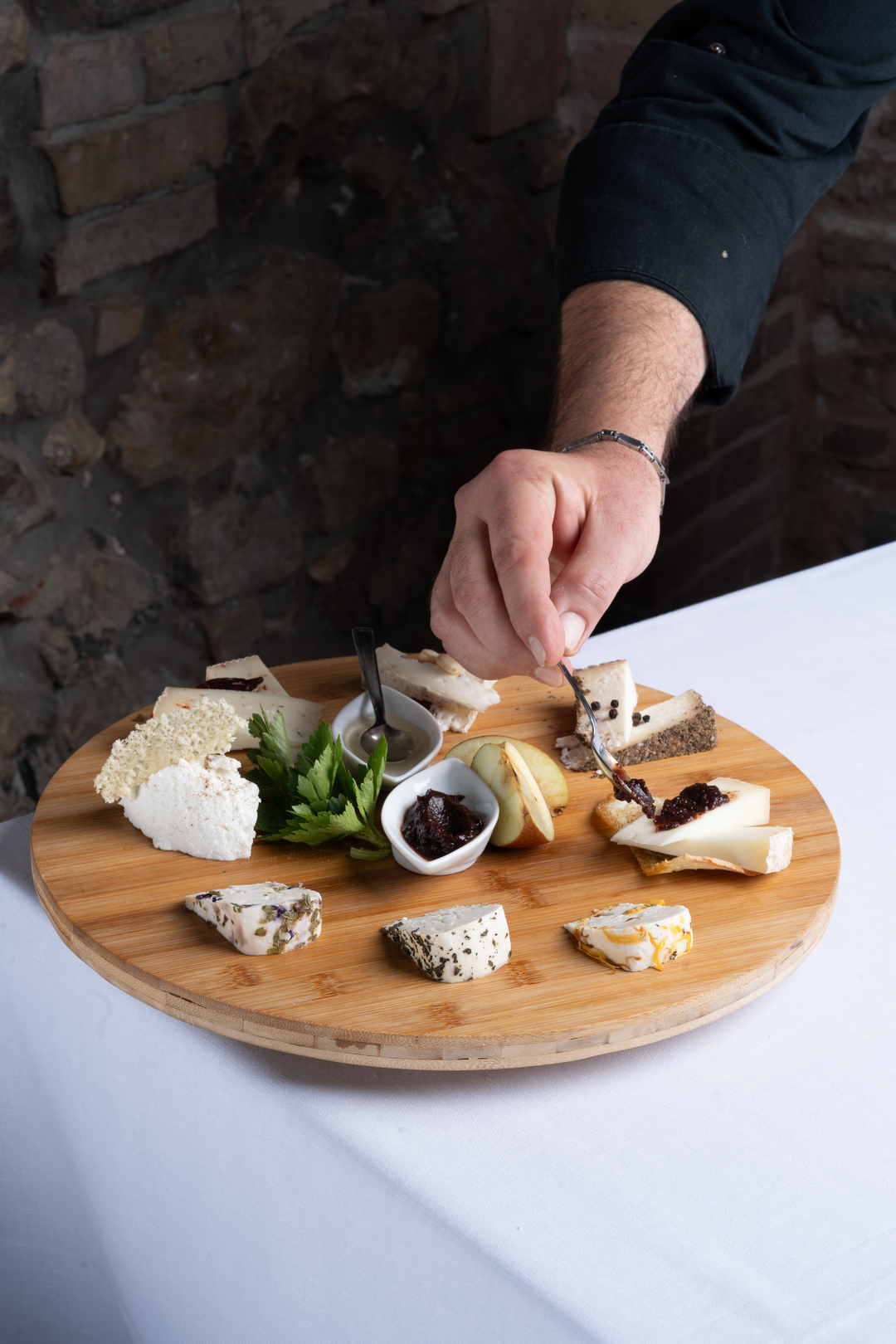
Aged cheeses: intensity, flavor, and character
The world of cheese is complex and multifaceted: there are different types, classified according to their composition or aspects of their production. One key aspect is aging, or maturation, and we can distinguish between:
Fresh cheeses: consumed within 15 days of production, such as mozzarella or squacquerone.
Semi-aged cheeses: consumed within 6 months of production, for example taleggio or younger forms of pecorino.
Aged cheeses: consumed more than 6 months after production.
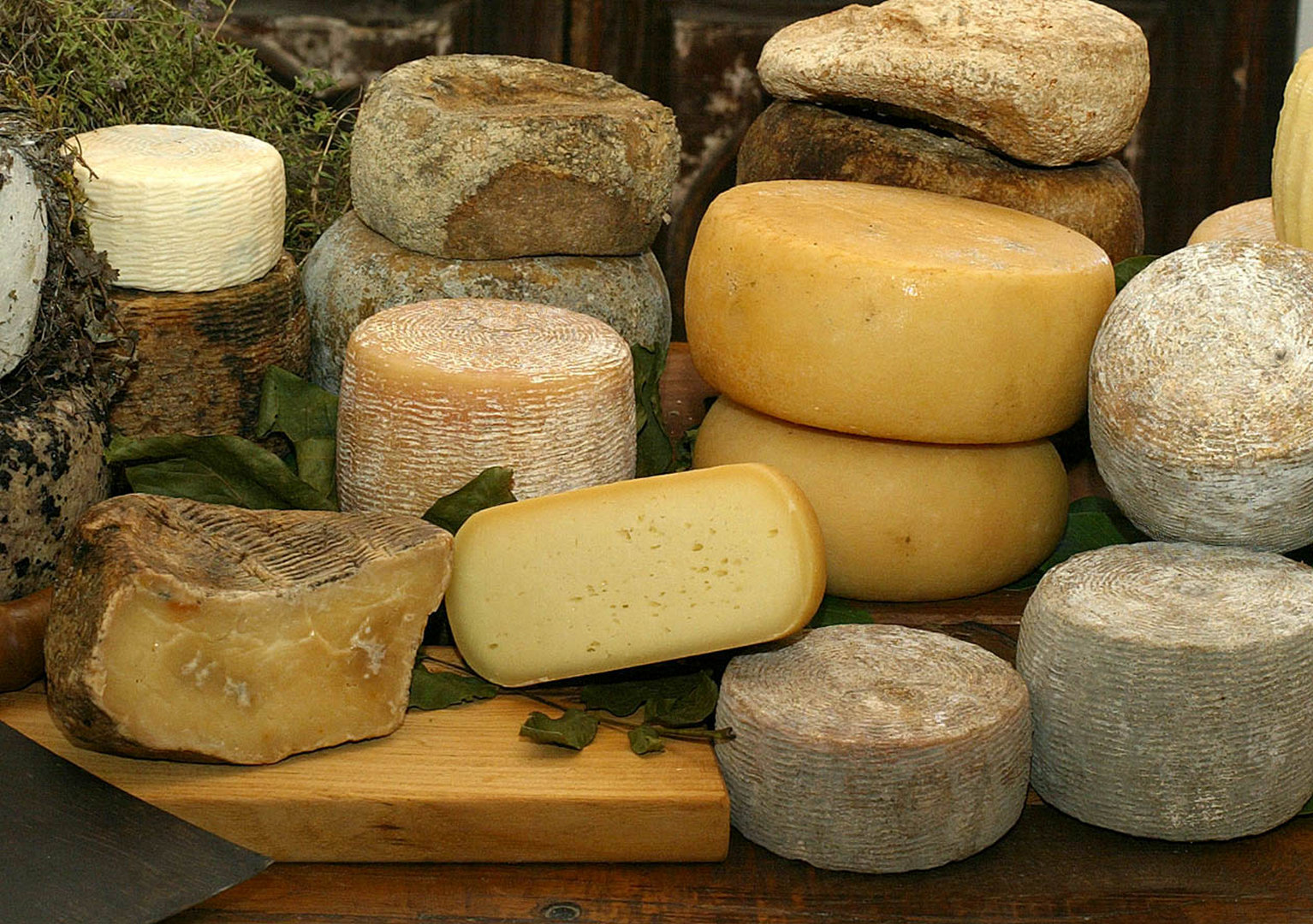
It is these aged cheeses that offer the greatest complexity: over time, water content decreases and flavors become more concentrated. This gives rise to aromatic profiles rich in dried fruit, rind, toasted notes, and hints of spiciness. Parmigiano Reggiano, aged Pecorino, Castelmagno, and Bitto are emblematic examples: authentic expressions of their regions, best enjoyed with wines capable of matching their intensity. An aged cheese often requires an equally “mature” wine—structured, smooth, and persistent—able to harmonize its complexity and restore balance to the palate.
Tenute del Cerro wines for aged cheeses
Which wine pairs with Parmigiano Reggiano?
How to pair wine with aged Pecorino
Pecorino is one of the quintessential aged cheeses, and it comes in many varieties. In general, fuller-bodied and more complex red wines are recommended.
For example, aged Pecorino Toscano pairs wonderfully with Rosso di Montepulciano DOC: a meeting of Tuscan harmonies, where the wine’s roundness balances the cheese’s strong character. Chianti Colli Senesi DOCG is also an excellent match, thanks to its smoothness and fragrance.
Speaking of terroir, why not try pairing Pecorino di Pienza IGP with Brunello di Montalcino DOCG? Both are symbols of the region: the cheese with its aromatic complexity, and the wine with a velvety, deep structure that complements it perfectly.
In Umbria, the tannic power of Sagrantino meets the savoriness of one of the region’s most famous cheeses, Pecorino di Norcia, creating a pairing of strength and intensity.
For contrast, the most aged and spicy pecorinos can also be paired with dessert wines, such as Moscadello di Montalcino DOC Late Harvest or Montefalco Sagrantino Passito DOCG, where the sweetness and aging of the wine offset the cheese’s saltiness.
Blue cheeses and aged cheeses
What wine to drink with cheese fondue?
Discover the pairings at the Estate
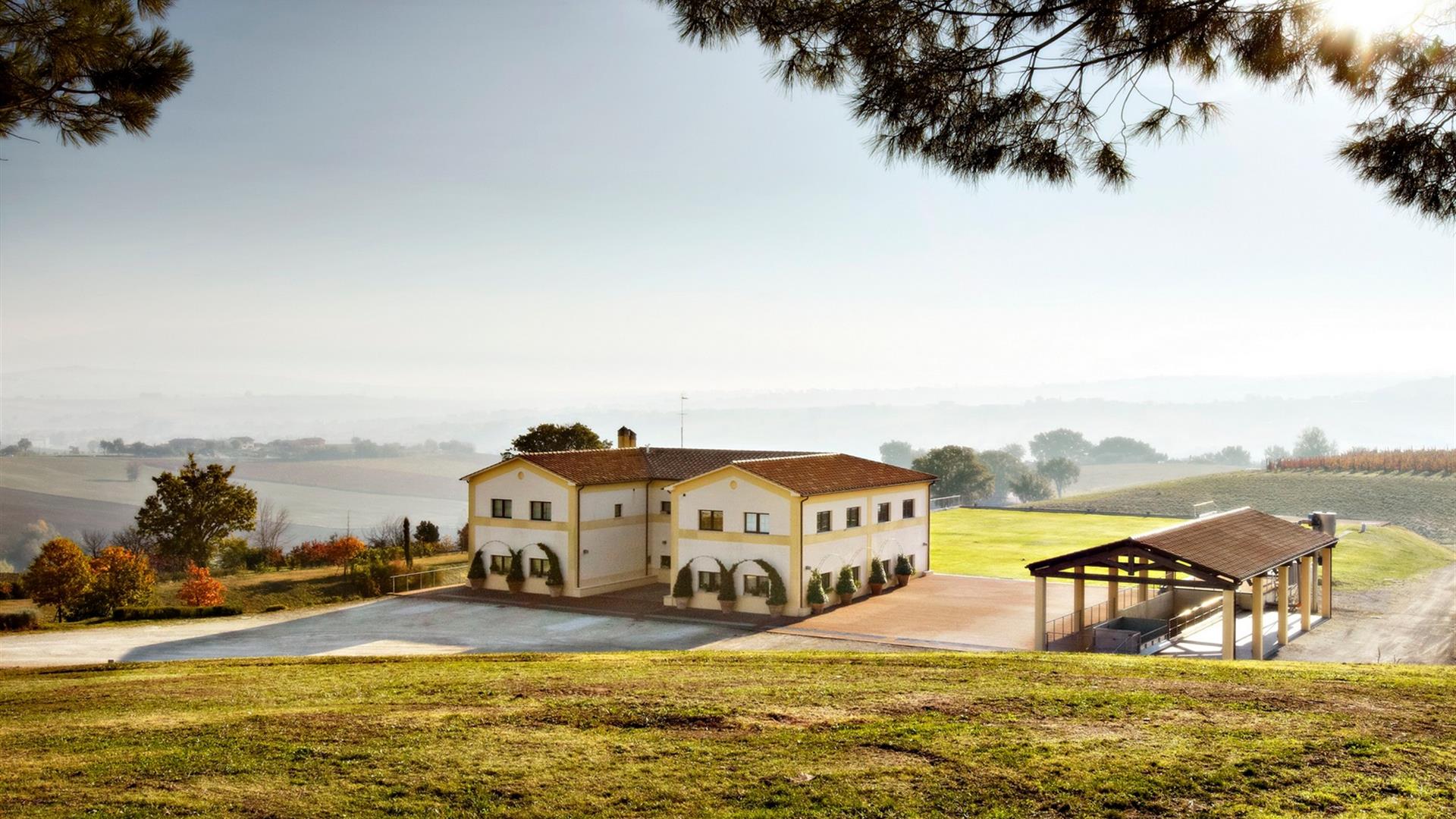
Còlpetrone