Estate news

Secrets of Fattoria del Cerro: History of the Estate and Vino Nobile Production

If the first step to understand Montepulciano is to explore its village and hills – as suggested in our guide to Montepulciano like a local – the second is to observe how this Tuscan territory is cultivated and, even before that, how is organized from an agricultural and winemaking perspective.

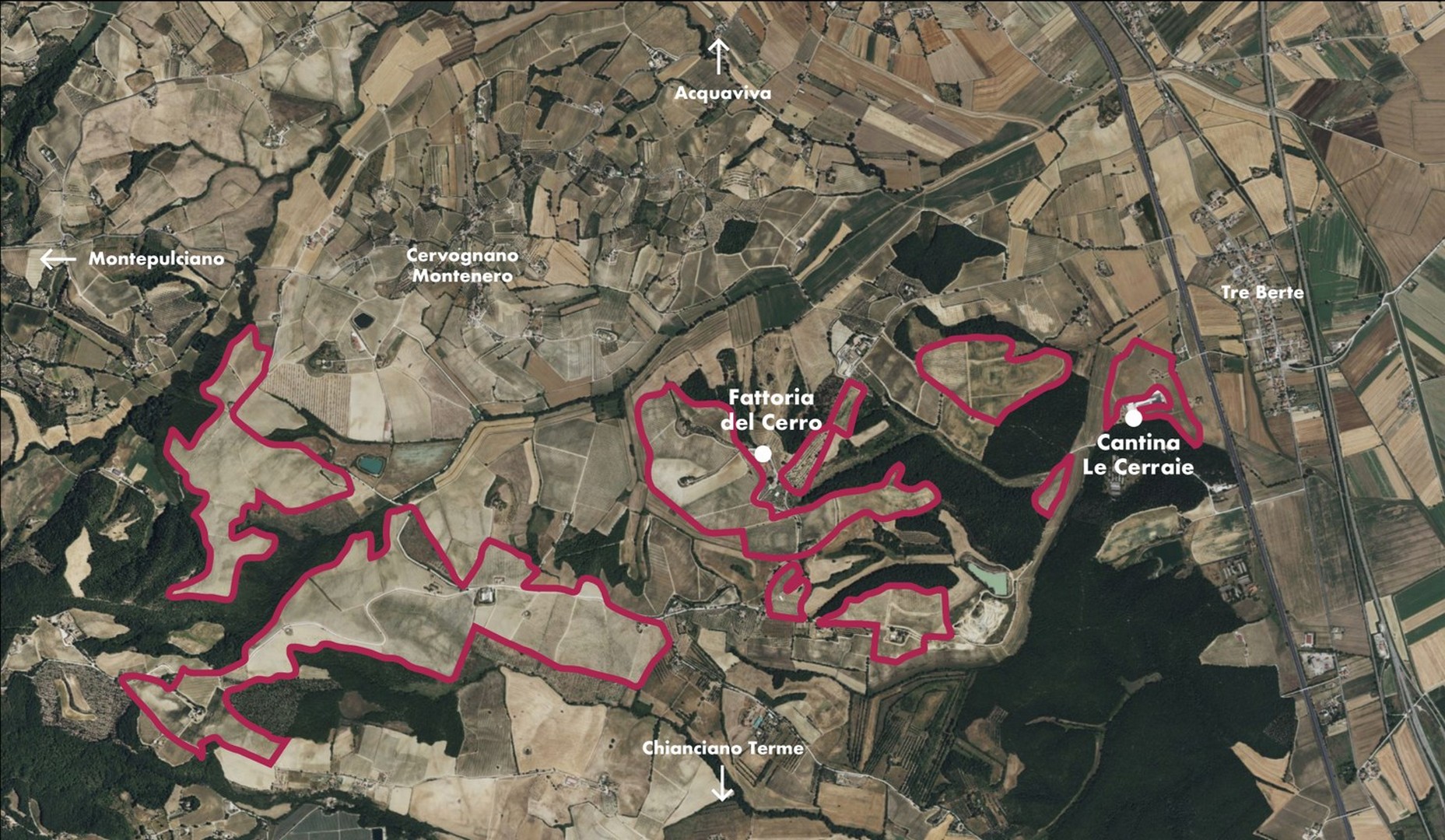
There’s no better place than Fattoria del Cerro to do so: nestled among the Montepulciano vineyards it has 600 hectares of property, 181 of vineyards and 93 registered as Vino Nobile DOCG; it’s the largest privately owned winery in the appellation. Fattoria del Cerro is located some Km far from Montepulciano and spread across the small hamlets of Acquaviva, Cervognano, Montenero and Tre Berte; its vineyards form a mosaic of plots that follow the natural contours of the Tuscan hills.

Looking at a map of the Montepulciano vineyards from above, the fragmentation of the vineyards is clearly visible, a central feature of Fattoria del Cerro’s agronomic project. This configuration—along with the variety of exposures—ensures the best grapes are selected for each vintage.

Fattoria del Cerro: the largest Estate of Vino Nobile of Montepulciano

The history of Fattoria del Cerro is inextricably linked to the evolution of the agricultural landscape and the production practices of Vino Nobile: from sharecropping system to the birth of the main Italian wine classifications.

From Cerraia to the DOCG Denomination

Fattoria del Cerro can be translate into “Cerro Farm” where cerro (Quercus cerris in Latin) is one of the most widespread oak species in the Tuscan hilly woods: in Montepulciano and Acquaviva area, you can admire remarkable specimens of those. The Cerro tree grows both in woodlands and on the edges of agricultural land and tolerates various types of soil and climates. In Tuscan vernacular, a forest consisting primarily of Cerro trees is called cerraia (or cerreta), hence the name Le Cerraie, the estate’s innovative production and logistics center of Fattoria del Cerro. The connection between these plants and wine, after all, has always existed: the Cerro wood has historically been used to make staves, the planks that make up the barrels in which wine ages.


The history of Fattoria del Cerro began in 1922, on the Baiocchi family’s land in Acquaviva, where farmland alternates with cerro woods and cultivation is still dictated by sharecropping. In 1978, the estate was acquired and integrated into the Tenute del Cerro group. It was in the 1980s, however, that the company took a new direction: the estate participated in the qualitative revival of Vino Nobile, when the Consortium obtained the DOCG designation—one of the first recognized in Italy—and Montepulciano consolidated its place among the great Italian wine appellations, alongside Barolo and Chianti.

Why is it called “Vino Nobile”: an aristocratic heritage

Until the late 1970s, the Tuscan countryside was organized according to the sharecropping system, with closed-loop farms where the harvest was divided between those who worked the land and those who owned it: approximately 52% of the production went to the sharecropper and 48% to the aristocratic family who owned the estate. While the farmer’s wine was served immediately, the noble family’s wine remained in barrels to age for a long time: the time spent in wood transformed its structure and flavor and enhanced its value. Therefore, the name “Vino Nobile” di Montepulciano was born from this “aristocratic” practice. Even today, Vino Nobile di Montepulciano DOCG has a production regulation that requires a total maturation of between 12 and 24 months, starting January 1st of the year following the harvest.

Montepulciano terroir: clay, fossils, and prehistoric sediments

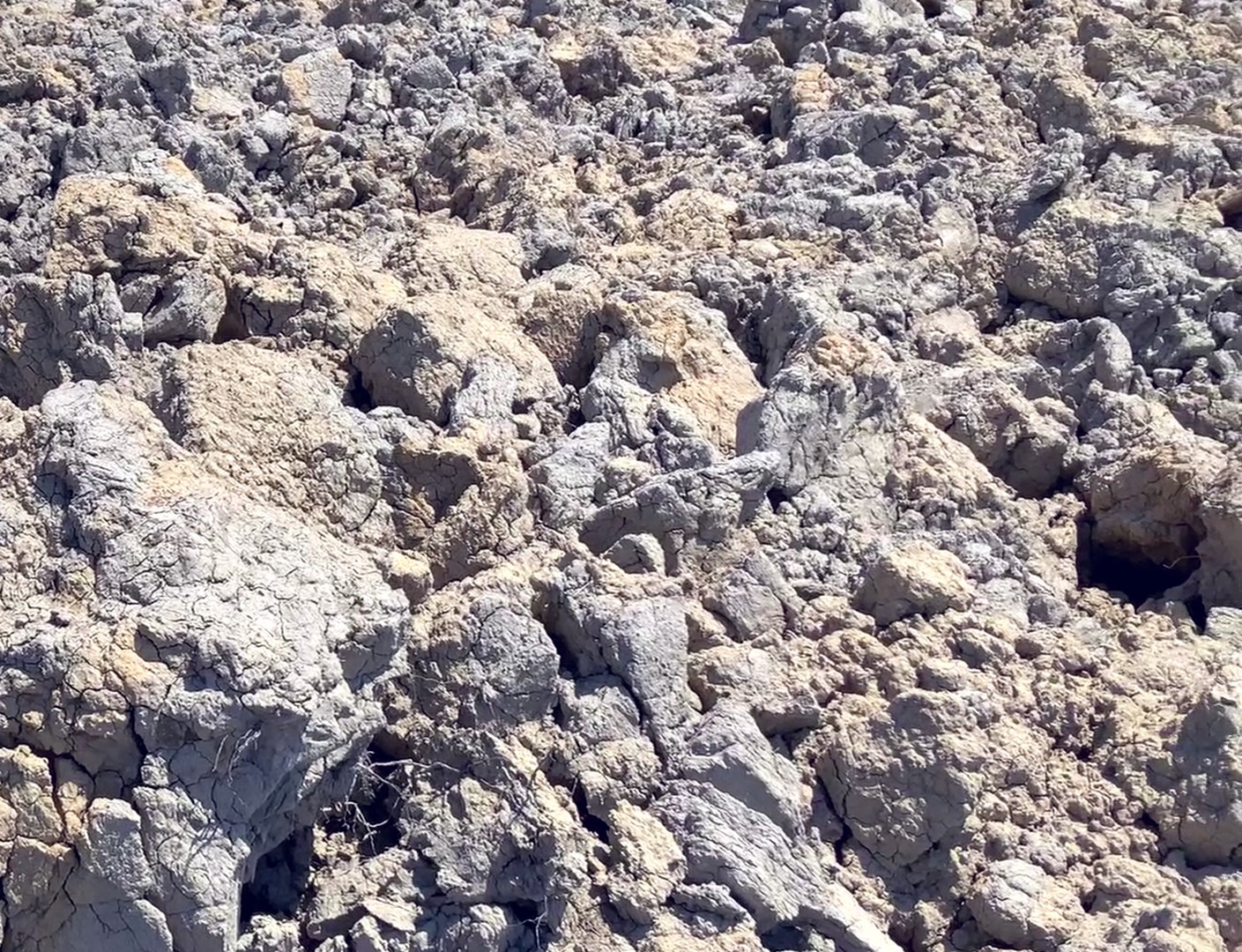
The hills of Fattoria del Cerro are formed from Pliocene sediments, with stratigraphy that changes even within a short distance. Millions of years ago, this area was a seabed: what is now a vineyard still retains traces of that geological past in its terroir.
 

The vineyards alternate between clay soils (up to 45%), cold, compact soils that crack in the summer and require targeted cultivation to conserve moisture; lighter, earlier-maturing sandy-loam soils; calcareous-marine sediments with fossilized skeletons and shells, which give the Prugnolo Gentile its distinctive minerality; and iron-rich soils, with a brown texture and the intense earthy aroma.

Typical Tuscan vines of the Montepulciano area: an overview

The grape variety on which Fattoria del Cerro’s entire production revolves is Prugnolo Gentile, a local Sangiovese biotype. Fattoria del Cerro has conducted a clonal selection process for this variety, representing one of the winery’s most significant contributions to the region. The best plants were identified in the oldest vineyards, and the material was collected and evaluated for yield, oenology, and phytosanitary properties in mother plants. This process resulted in three certified clones—Grifo, Bravìo, and Brescello—with names inspired by the history of Montepulciano.

Alongside Prugnolo Gentile, the estate preserves a heritage of minor native grape varieties: Colorino, Mammolo, Canaiolo, Ciliegiolo, Pugnitello, and Fogliatonda. These varieties had been progressively abandoned due to their lower yields but have proven essential for achieving the complexity of the blends.

Since 2025, the Consorzio del Vino Nobile di Montepulciano has introduced 12 new Additional Geographical Units (in Italian UGA), known as “Pievi”. The subzones correspond to the boundaries of the ancient parishes into which the Montepulciano territory has been divided since the late Roman era and were defined by cross-referencing the 19th-century Leopoldine land registry with recent geological, pedological, and production studies. Fattoria del Cerro is in the Pieve di Sant’Ilario, whose vineyards—including those of Fontelellera—produce a Nobile with a solid tannic structure and pronounced minerality.

Fattoria del Cerro Labels: a brief guide to the estate's wines

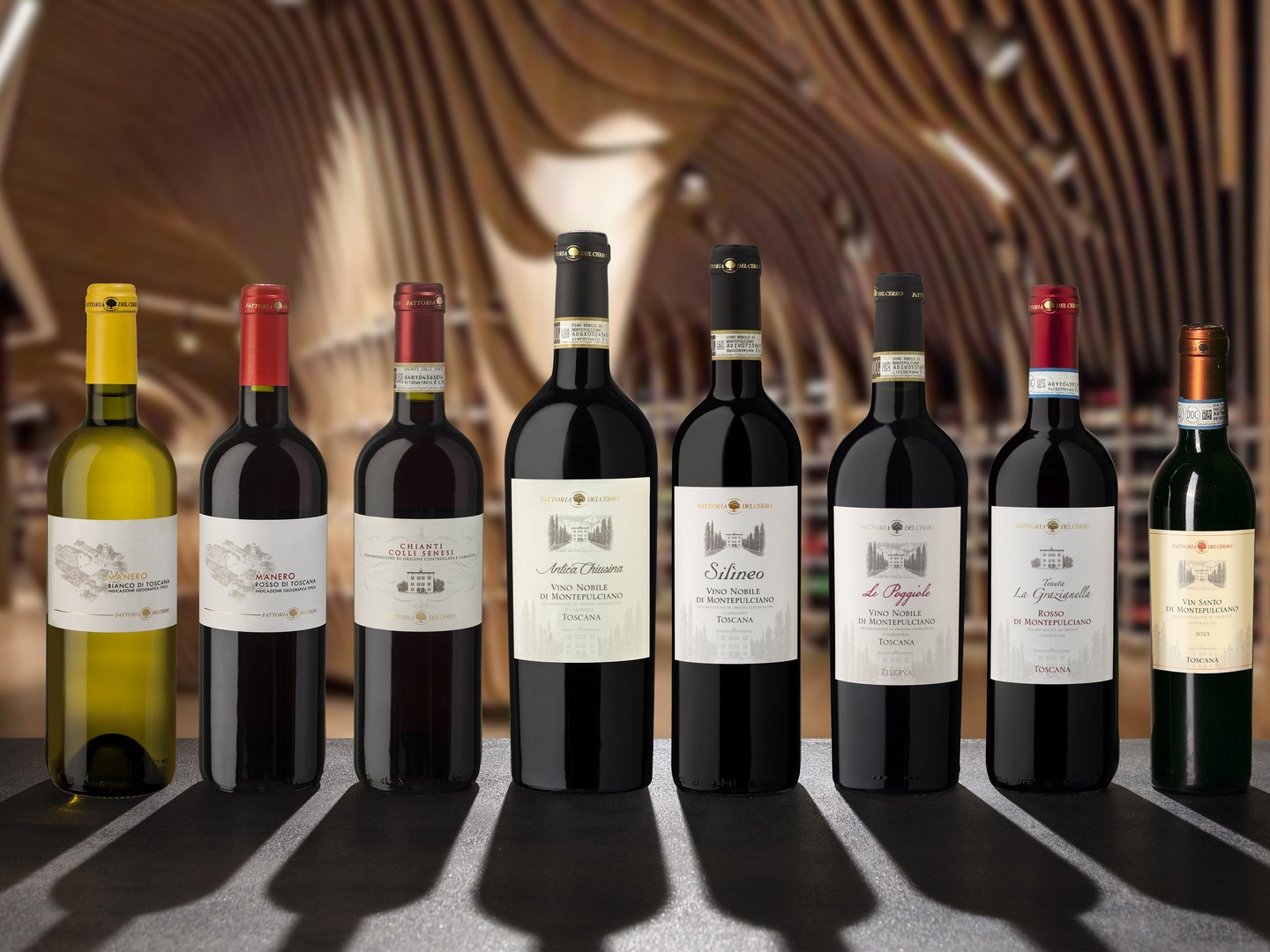
With over 1,200,000 bottles produced, the range covers the entire quality pyramid of Vino Nobile di Montepulciano and extends to other denominations in the area.


    • Il Silìneo (Vino Nobile di Montepulciano DOCG) This is Fattoria del Cerro’s flagship wine: it ages for seven months in tonneaux and another eleven in large Slavonian oak barrels. The profile is that of a Nobile, with notes of black cherry and violet, nuances of vanilla, silky tannins, and a long, balanced finish.


    • Il Vino Nobile di Montepulciano Riserva DOCG It’s made from a selection of the finest grapes and undergoes a longer aging process—18 months in oak barrels—before completing its maturation in the bottle. It’s a wine with a denser tannic texture and aromas that open on red berries, spices, and leather.


    • L’Antica Chiusina (Vino Nobile di Montepulciano DOCG) This is the estate’s cru. The name identifies a vineyard still crossed by the Etruscan road that connected Montepulciano and Chiusi, bypassing the Valdichiana’s swamps. It is produced only in vintages where the grapes are ripe enough.

    • Il Rosso di Montepulciano DOC It shares the production area and grape variety with the Nobile, but without being aged in wood: this makes it fresh, fruity and easy to taste.

    • Il Vin Santo di Montepulciano DOC The range closes with the quintessential Tuscan meditation wine. In the cellar, it is paired with a selection of artisanal chocolates—a less obvious pairing than classic Tuscan cantucci.


    The range is completed with Chianti Colli Senesi DOCG, Manero Red and White IGT and Cerrus Brut classic method.

Wine Tourism in Montepulciano: visit the winery and stay at Fattoria del Cerro

Tradition, innovation, and hospitality: with a historic, meticulously designed barrel cellar, a state-of-the-art winery, and an 18th-century relais, Fattoria del Cerro is now a benchmark for wine tourism in Tuscany. The winery is always at the heart of the tour: the tour passes through the meticulously designed barrel cellar, with its striking architectural impact, before continuing to the winemaking and aging rooms. The tour concludes with a wine tasting, which can be combined with lunch at the L’Antica Chiusina restaurant or an overnight stay at the agriturismo.

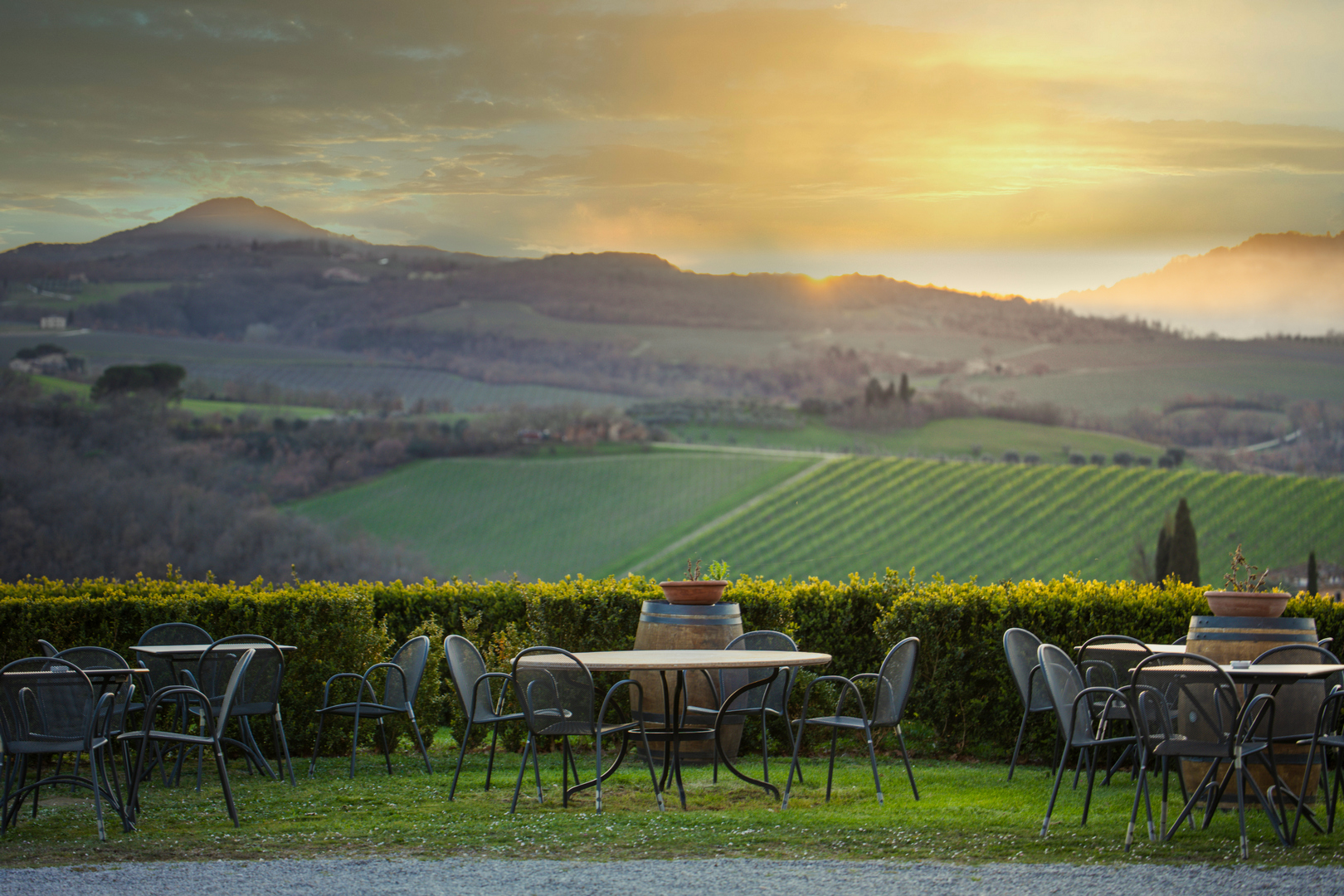
Those who want to go beyond the glass can choose from immersive experiences: an off-road tour through the vineyards led by the estate’s agronomist, e-bike rentals to explore the dirt roads that crisscross the 600-hectare property, a traditional Tuscan cooking class with the Executive Chef, and even a truffle hunt in the woods, among the Turkey oaks, with an expert truffle hunter and his dog. Those who prefer to relax can opt for a picnic among the vineyards: a basket of local produce, a bottle of Silìneo or Cerrus Brut, and the Montepulciano countryside as their only backdrop.

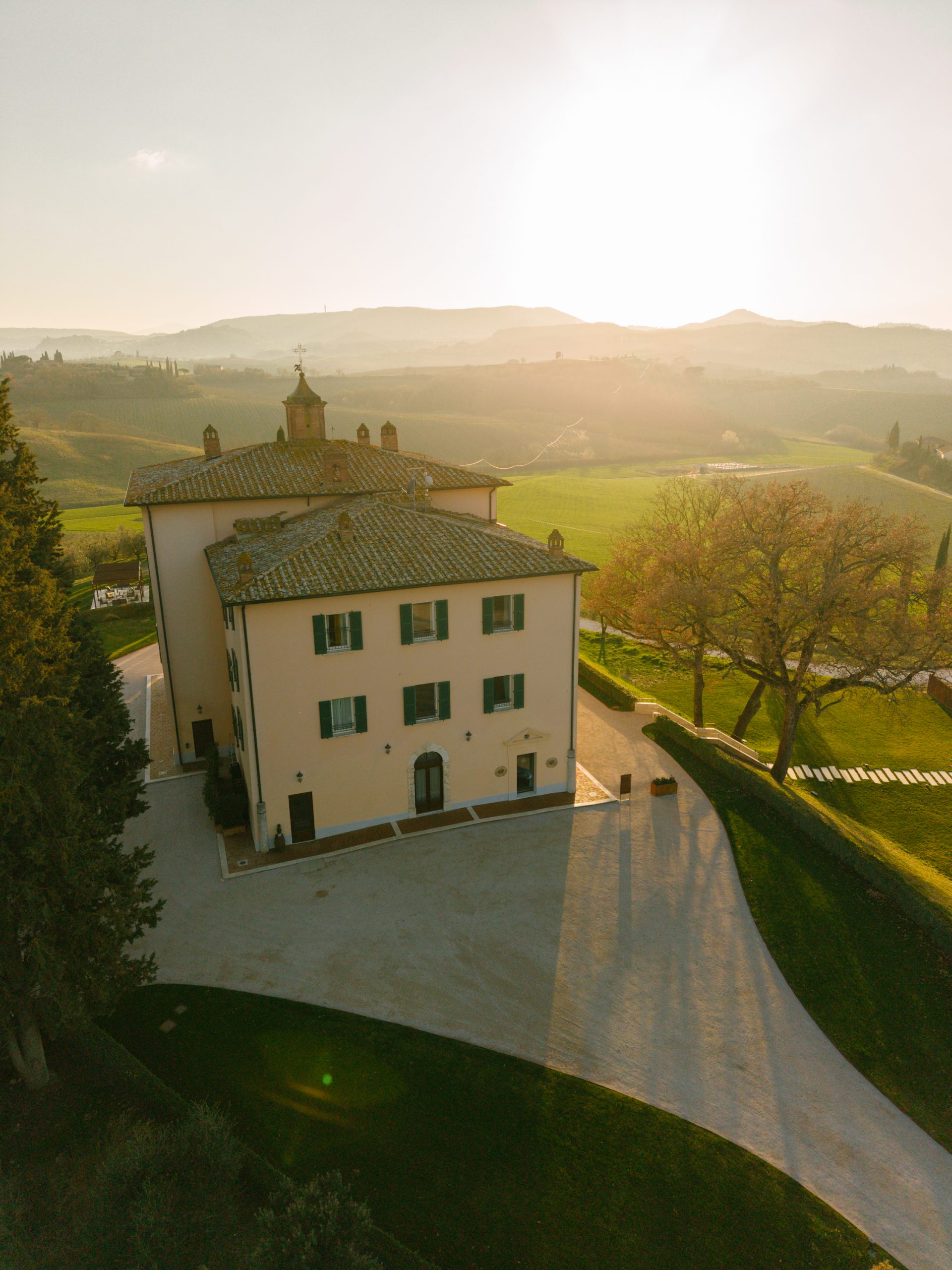
For those who want to extend the experience in a charming setting, the estate offers the Relais Villa Grazianella, an 18th-century villa immersed in the vineyards, with a swimming pool among the olive trees, panoramic rooms, and a gourmet restaurant. Fattoria del Cerro is easily accessible and strategically located for exploring all of Tuscany: Valdichiana-Bettolle motorway exit is less than 6 kilometers away, putting the historic centers of Montepulciano and Chianciano, the Val d’Orcia, and all the beauty of Tuscany’s art cities, such as Florence and Siena, within easy reach.

Fattoria del Cerro

Fattoria del Cerro, located in Montepulciano (Acquaviva), in the province of Siena, extends over 600 hectares of property, of which 181 are vineyards. With its 93 hectares registered in the Vino Nobile register, it is the largest private producer of Vino Nobile di Montepulciano.

fattoria-del-cerro_white

{title}

{description}

All the news

About the estate

Montepulciano like a local: experiencing the most authentic Tuscany through experiences, wine, and culture
Learn more
Recognizing a quality wine: a practical guide to choosing the right bottle
Learn more
On the trail of truffles in Tuscany: tips for experiencing it to the full
Learn more
Guide to a Corporate Retreat: What It Is, How to Organize One, and Some Ideas from Tenute del Cerro
Learn more
Aged cheeses and wine: signature pairings blending intense and elegant flavors
Learn more
A food-and-wine weekend in Tuscany, among rolling hills, villages, and authentic flavors
Learn more