Itineraries

Montepulciano like a local: experiencing the most authentic Tuscany through experiences, wine, and culture

There are places that can’t be understood in a quick stopover, because they have a soul that needs to be discovered slowly—just like a good wine. Montepulciano is one of them: an elegant Tuscan hill town, certainly, but also much more. It only takes a small shift in location, a different time of day, or a change of season to uncover a territory that is truly one of a kind.

The area around Montepulciano unfolds like a natural amphitheater of vineyards, encircling the town and placing it in direct dialogue with the Val d’Orcia and the Valdichiana. This geographic setting is what makes it special and gives meaning to the journey: Montepulciano offers an experience built by moving through different places, perhaps returning at various times of the year to watch the colors of the hills change with the rhythm of agricultural life.

There is also a cultural dimension that helps define Montepulciano’s way of life—one rooted in the legacy of Agnolo Ambrogini, better known as Angelo Poliziano, the Renaissance poet and humanist born here in the 15th century. A central figure of Florentine Humanism and closely associated with the court of Lorenzo the Magnificent, Poliziano embodied a philosophy that celebrates beauty, love, and earthly pleasures, encouraging a full and conscious embrace of the present moment.

Living Montepulciano like a local means exactly this: strolling through the historic center, stopping by wineries for a tasting of Vino Nobile, driving the roads that wind through the hills, and taking in the landscape while savoring its beauty—allowing yourself all the time it deserves. It is an invitation to slow living, to drinking well and eating well, to valuing time over the sheer number of things to do. Whether for a weekend, a short trip, a day out, or a special evening, Montepulciano is not just a place to see, but an experience to be lived—just as those who have always known it do.

In this context, places like Fattoria del Cerro, with its estate set in the heart of the vineyards, offer a privileged vantage point from which to understand Montepulciano as a whole. The estate allows visitors to read the territory through its winemaking journey—from vineyard cultivation to cellar work, all the way to the wine shop—while also embracing experiences tied to the landscape and a culture of taste and good living that is reflected here in the way people eat, drink, and develop a deep knowledge of the land.

Montepulciano: where the town, the land, and the vineyards come to life

The historic center of Montepulciano is one of the most charming medieval and Renaissance towns in Tuscany and is easy to explore on foot. It is the natural starting point for any visit. As you walk through its streets, historic buildings, noble palaces, and squares alternate, telling centuries of history. All around, the landscape opens up into an amphitheater of hills and vineyards, clearly expressing the deep connection between the town and its local wine production.


Visiting Montepulciano’s historic center


The heart of the historic center is Piazza Grande, a pedestrian square surrounded by Renaissance buildings such as the Cathedral of Santa Maria Assunta and the Palazzo Comunale, as well as noble palaces that testify to the town’s architectural wealth. This is an ideal place for a first stop, to admire the architecture and soak up the atmosphere—perhaps with a glass of local wine in hand or a taste of traditional products. Wandering along the side streets, you’ll come across other historical and artistic points of interest, including the Civic Museum and smaller churches scattered among narrow lanes and intimate squares. Walking through the historic center means alternating moments of cultural exploration with simple observation of travertine façades, inner courtyards, and the details of artisan workshops.


Piazza Grande is also close to other landmarks, such as the Temple of San Biagio, located just outside the town walls: a perfect example of Renaissance architecture set within the surrounding rural landscape. In summer, during the last week of August, the square hosts the Bravìo delle Botti, a historic competition between the town’s districts and one of the most representative events of Tuscan folklore, alongside Siena’s Palio.


Fattoria del Cerro: the great estate set in an amphitheater of vineyards


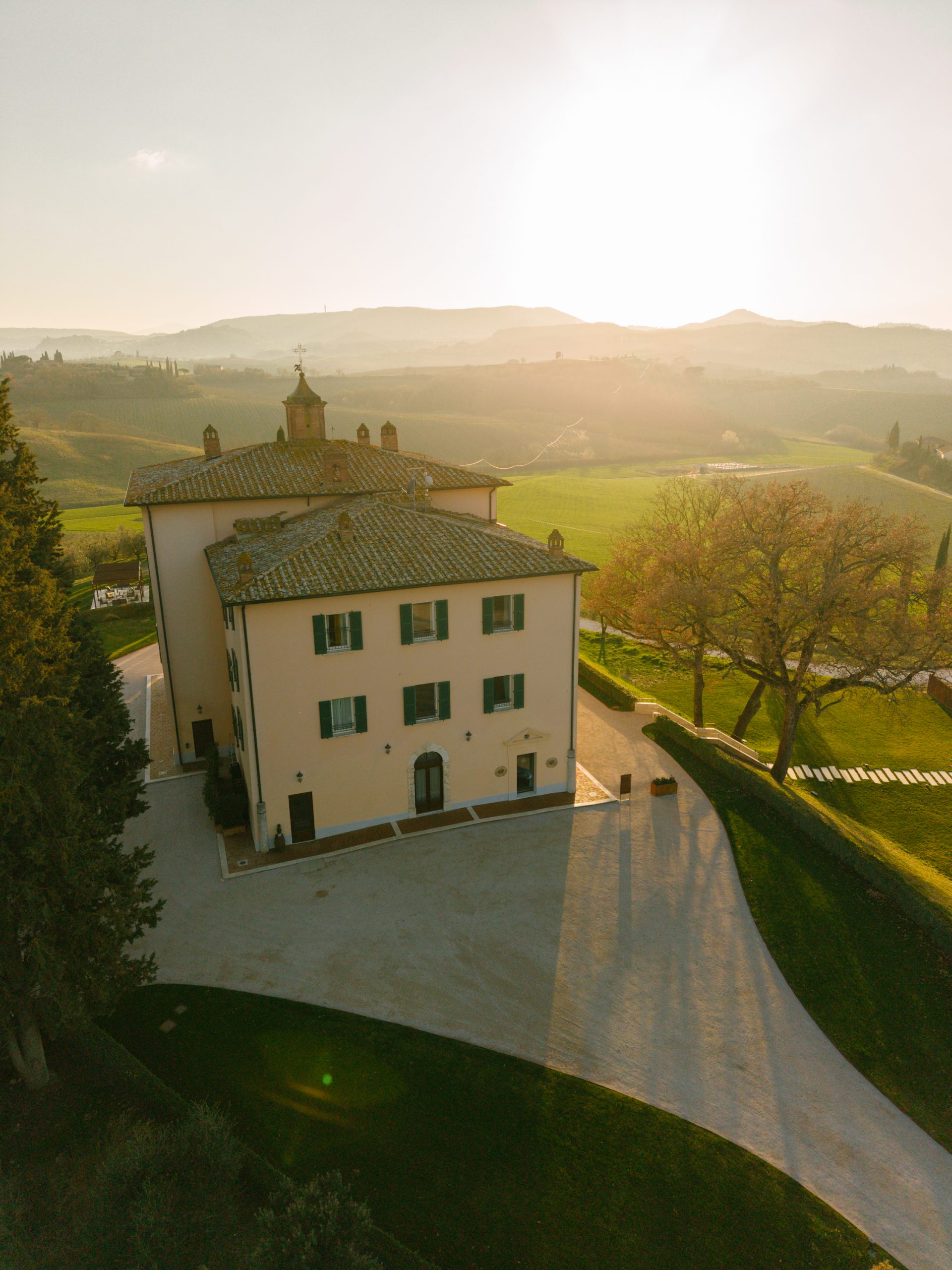
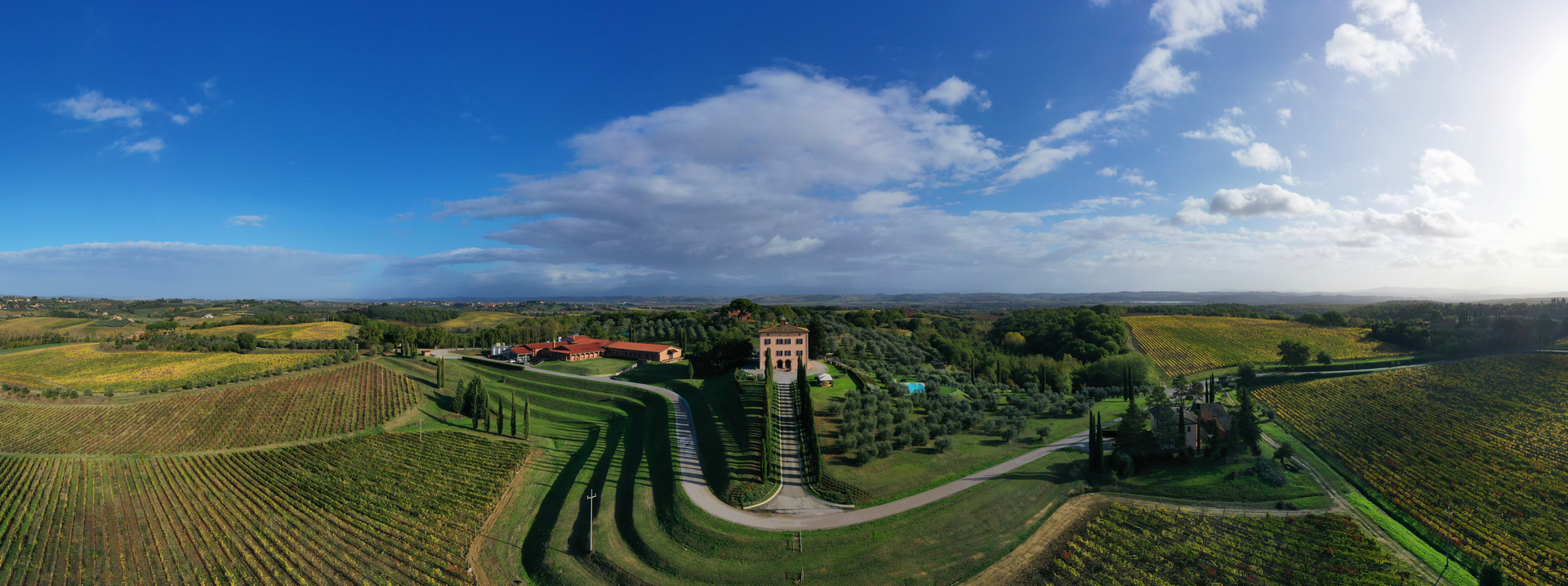
Just a short distance from the historic center, in the Acquaviva area, lies Fattoria del Cerro, nestled among the vineyards surrounding Montepulciano. The winery, which occupies a central position both in size and location, is a must-visit destination for anyone wishing to see firsthand how the vineyard landscape interacts with the production of Vino Nobile di Montepulciano, the area’s most representative DOCG. With approximately 600 hectares of estate-owned land, 181 of which are under vine, Tenute del Cerro is the largest private producer of Vino Nobile di Montepulciano.


In addition to wine production, the estate offers lifestyle-oriented experiences that allow visitors to engage with the territory through winery tours, events, tastings, and guided walks through the vineyards. It is an ideal vantage point from which to observe soils, exposures, and agronomic choices that define the style and identity of Montepulciano wines—an unmissable stop for anyone planning a visit to the town and the Sienese hills.
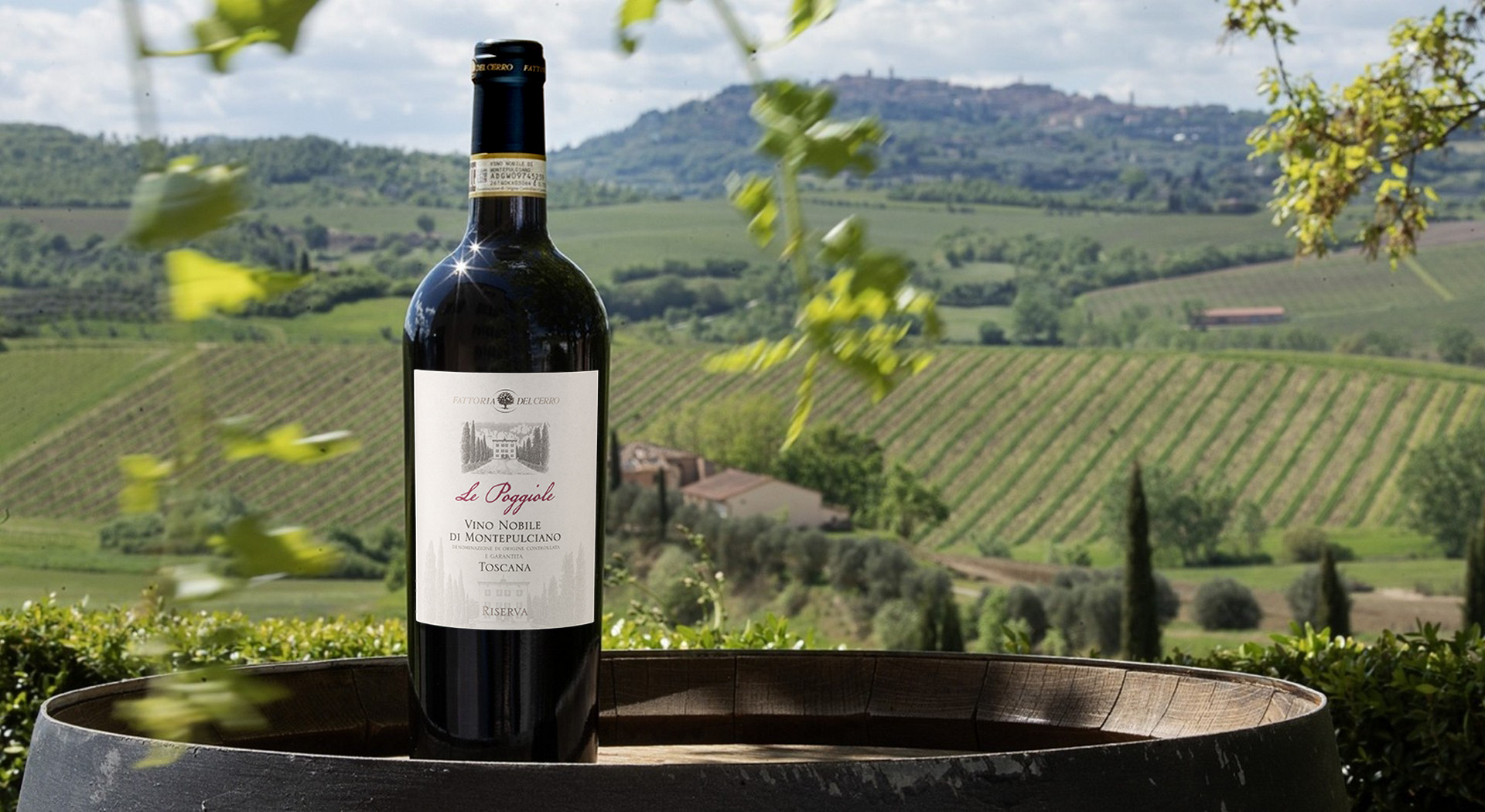
The true protagonist of the territory: Vino Nobile di Montepulciano

In Montepulciano, wine is not just drunk: it is lived. Vino Nobile is the common thread that connects landscape and everyday life, taking center stage in wine tastings at wine shops and wineries, on restaurant tables, and in conversations among those who call this territory home. Finding one’s way among Vino Nobile, Rosso, and more structured styles does not require sommelier-level expertise: all it takes is a glass in hand, a well-paired dish, and the curiosity to compare aromas and flavors. This context also includes more approachable wines, such as Rosso di Montepulciano, as well as more complex expressions like the Riserva, which stand out for their aging methods and occasions for consumption.


What kind of wine is Vino Nobile di Montepulciano?


Vino Nobile di Montepulciano is a DOCG red wine produced primarily from Prugnolo Gentile, a local biotype of Sangiovese. It is a wine of structure and depth, ideal for pairing with traditional Tuscan cuisine but also enjoyable on its own. The production regulations require a minimum aging period before release, setting it apart from the more immediate Rosso di Montepulciano. The Riserva, on the other hand, requires longer aging, making it ideal for those seeking complexity and aging potential.


Silìneo and Antica Chiusina: two excellences of Vino Nobile


Within local production, certain labels help provide orientation. Silìneo is an example of a classic style: balance, aromatic freshness, and a clear expression of terroir. Antica Chiusina, by contrast, comes from a specific vineyard with distinct pedoclimatic characteristics; it is produced only in selected vintages and shows greater fruit concentration along with longer aging potential. These two wines represent different ways of interpreting the same vineyard landscape—useful reference points when navigating choices in the winery or at a wine shop.

Between food and wine: savoring Tuscan (and Montepulciano) gastronomic excellence

Eating well in Montepulciano is not a secondary element: it is an integral part of the experience. Local cuisine is based on seasonal ingredients and dishes deeply rooted in tradition, and it naturally complements the wines of the area, from Rosso di Montepulciano to Vino Nobile.


Typical dishes and where to enjoy them: L’Antica Chiusina


Pici all’aglione, Chianina beef, peposo, and other traditional preparations (five of which we highlight here) are emblematic of the local gastronomic tradition—distinctly Tuscan—that Montepulciano’s restaurants reinterpret using fresh, seasonal ingredients. At the L’Antica Chiusina restaurant at Villa Grazianella, Chef Stefano Azzi presents dishes that revisit local cuisine through carefully selected ingredients and pairings designed to accompany the wines of the area. The philosophy of his cooking is rooted in the quality of raw materials and seasonality, resulting in recognizable dishes that are perfectly suited to be enjoyed alongside the estate’s wines.


Winery tastings and panoramic-view aperitifs


Beyond dining, to truly savor the essence of the Montepulciano area a winery visit with tasting is essential—ideally one overlooking the enchanting landscape. At Fattoria del Cerro, visitors can explore a spacious and atmospheric winery, a true wine museum. The tour leads through the winemaking facilities, barrel cellars, and aging and fermentation rooms, where it is possible to experience firsthand advanced technologies and equipment, while also gaining deeper insight into the terroir and the distinctive features of local wine production.


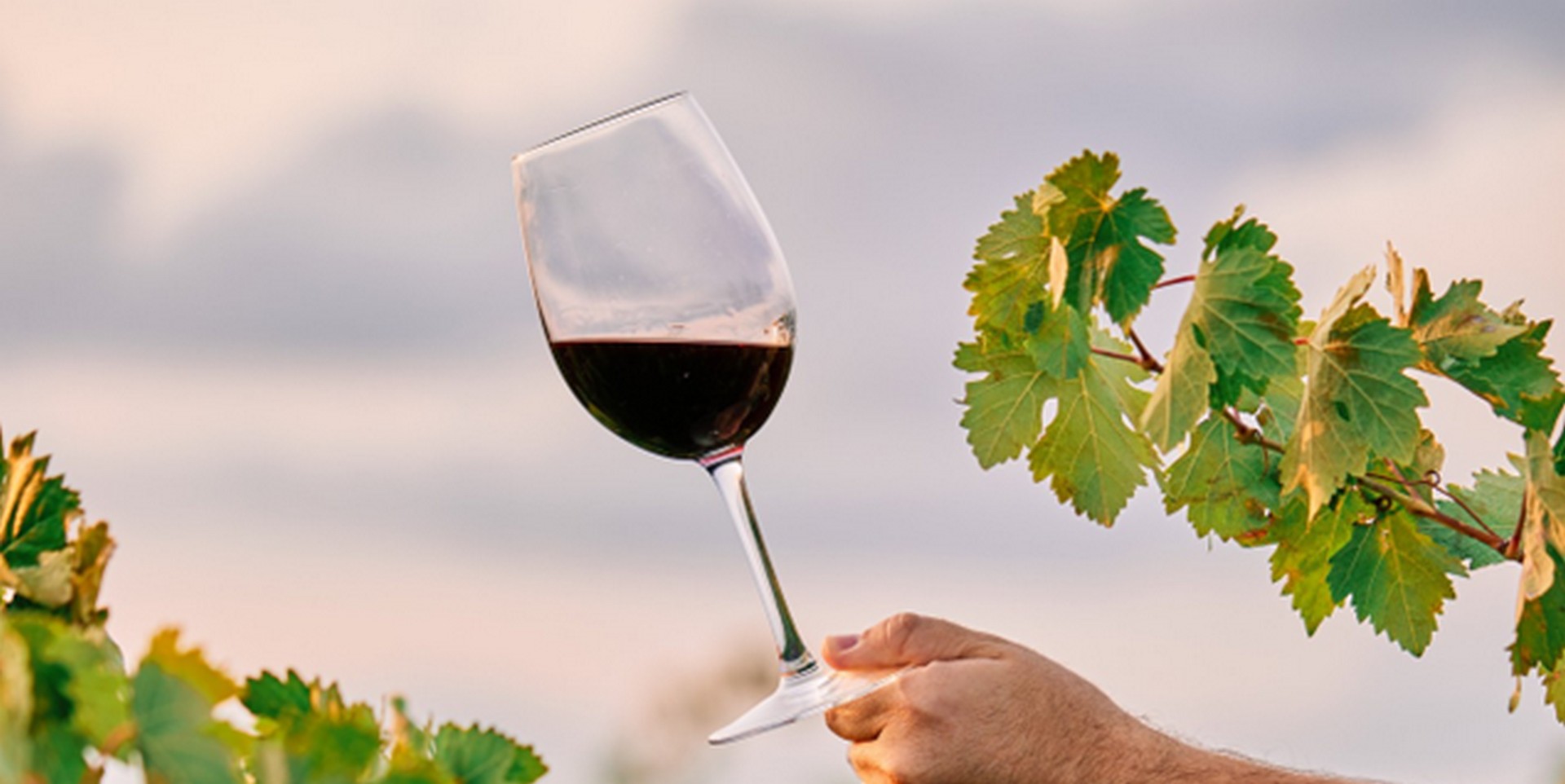
Between the showroom and the garden, the estate’s tasting room offers a privileged view: the amphitheater of vineyards, the Sienese hills, and the silhouettes of Montepulciano and Chianciano on the horizon. Tasting a glass of Silìneo or Antica Chiusina in this setting turns the experience into a truly unique sensory and oenological moment, where aromas and landscape merge. It is the perfect context to understand—glass in hand—the deep connection between wine and territory.


A tip for wine lovers: February is the month of the Anteprima del Vino Nobile di Montepulciano. If you are planning a visit, it is well worth taking advantage of this opportunity to taste the wines of the new vintage in a truly special atmosphere.


Not just wine: unmissable experiences in Montepulciano

If taking the time to savor a glass of wine is a must, Montepulciano also offers plenty of outdoor activities and opportunities to discover its natural and gastronomic culture. Around the wineries, rolling hills and dirt roads invite exploration, while among the vineyards, experiences combine scenic observation with local flavors and traditions.


Outdoor experiences in Montepulciano: trekking, e-bikes, and off-road vineyard tours


The landscape around Montepulciano is perfect for exploring on foot or by bike. Walking or cycling allows visitors to closely observe the layout of the vineyards and the surrounding hills. Following the dirt roads and the paths connecting estates and wineries, it is possible to plan excursions with easy itineraries, suitable even for those not seeking physically demanding activities. At Fattoria del Cerro, e-bikes are also available for rent to explore the trails among the vineyards and hills.


Alternatively, visitors can opt for an off-road vineyard tour with an agronomist, discovering firsthand how Montepulciano’s great wines are created and learning from an expert how soil and exposure shape the character of the wine.


Food experiences: picnic, cooking classes, and truffle hunting


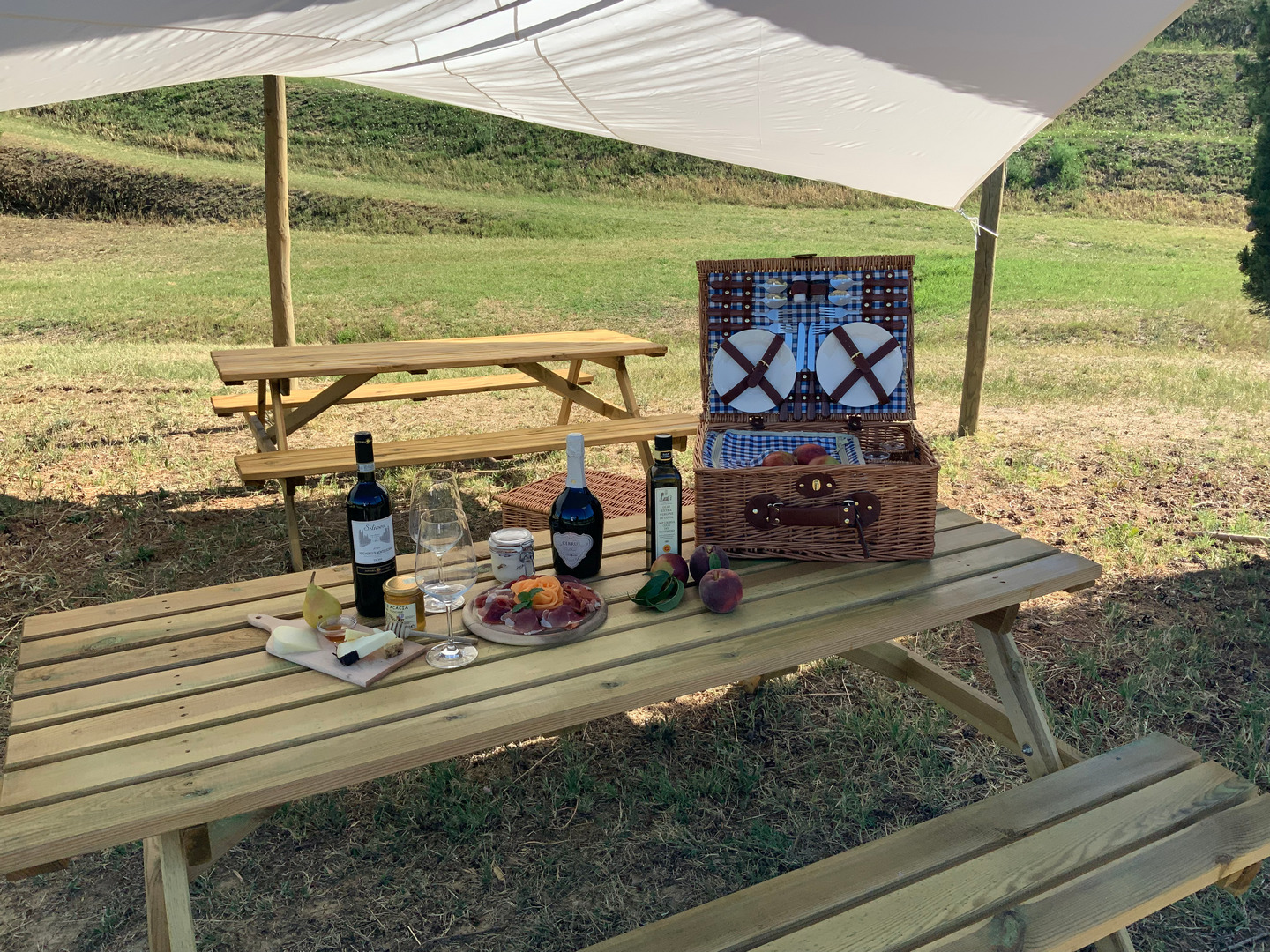
Among food-related experiences, a vineyard picnic is one of the most evocative ways to combine the discovery of nature with local products. At Fattoria del Cerro, visitors can enjoy a complete basket of zero-kilometer products and a bottle of wine among the vines, fully embracing the tranquility of the countryside. For those who love to cook, the estate also organizes cooking classes where participants learn to prepare traditional Tuscan dishes alongside the relais’ chef, followed by lunch and a tasting of the estate’s wines. During the harvest season, there is also truffle hunting: an excursion into the woods with a truffle hunter and his dog, concluding with a tasting of truffle and local wines.

The best seasons to visit Montepulciano (spoiler: all of them)

Discovering Montepulciano means immersing yourself in an experience that changes with the seasons, offering good reasons to visit at any time of the year. Between events related to wine, culture, music, and local traditions, here’s why it’s worth planning a visit in every season:


  • Winter
    Winter is the most quiet and reflective time in Montepulciano, when the vineyards rest and work focuses in the winery. It’s the ideal moment for more in-depth tastings and peaceful visits. During the Christmas season, the town hosts the Christmas Market, while February marks one of the most anticipated wine events: the Anteprima del Vino Nobile.

  • Spring
    With spring, the countryside comes back to life: the vineyards regain vigor, the weather is mild, and the hills turn green. It’s the perfect season for walks among the vines and winery visits. The Ascolti festival accompanies the arrival of the season with classical music concerts in the town, culminating in the Patronal Feast of Santa Agnese (May 1st).

  • Summer
    Summer is the busiest and liveliest period, with long days and the chance to participate in outdoor events, sunset tastings, and evening winery visits. In July, the Cantiere Internazionale d’Arte enlivens the town, while the night of San Lorenzo coincides with Calici di Stelle, an evening tasting event. August culminates with the Bravìo delle Botti.

  • Autumn
    Between September and October, the hills around Montepulciano are illuminated by autumn colors and aromas: foliage, the harvest, work in the winery, and heartier dishes on the tables. In September, the Live Rock Festival in Acquaviva brings indie music and a young audience to the area, while the Sagra dell’Ocio celebrates the most traditional flavors.

Around Montepulciano: Siena and its villages, between valleys and hills


From Montepulciano, it takes just half an hour by car to find yourself in the heart of some of Italy’s most photographed landscapes. The location is ideal for exploring villages, hills, and art cities across Tuscany.


Siena, with its Piazza del Campo, the Duomo, and medieval streets preserved through centuries of history, is the gateway to a territory rich in identity and scenic views. Traveling through the Colli Senesi and along panoramic roads, you reach thermal towns such as Chianciano Terme, only 12 km from Montepulciano, where mineral waters and wellness centers offer a relaxing break after a day of visits through villages and vineyards.


To the northwest stretch the Crete Senesi, the clayey hilly landscape that characterizes the area between Siena and the Val d’Orcia, with its rolling profiles and white roads. In Val d’Orcia, a UNESCO World Heritage site since 2004, you will find charming villages such as Pienza with its Renaissance center, Monticchiello with medieval walls, Bagno Vignoni with its 16th-century thermal pool in the main square, and San Quirico d’Orcia with the Horti Leonini.


Art, thermal baths, villages, and iconic landscapes make every visit a rich and varied experience, blending history, nature, and authentic flavors. Montepulciano has this effect: it always leaves something to see next time.


Fattoria del Cerro

Fattoria del Cerro, located in Montepulciano (Acquaviva), in the province of Siena, extends over 600 hectares of property, of which 181 are vineyards. With its 93 hectares registered in the Vino Nobile register, it is the largest private producer of Vino Nobile di Montepulciano.

fattoria-del-cerro_white

{title}

{description}

All the news

About the estate

Recognizing a quality wine: a practical guide to choosing the right bottle
Learn more
On the trail of truffles in Tuscany: tips for experiencing it to the full
Learn more
Guide to a Corporate Retreat: What It Is, How to Organize One, and Some Ideas from Tenute del Cerro
Learn more
Aged cheeses and wine: signature pairings blending intense and elegant flavors
Learn more
A food-and-wine weekend in Tuscany, among rolling hills, villages, and authentic flavors
Learn more
Wine terroir: the character of the land and the great Italian examples
Learn more