A Vino Nobile born from the ancient Pievi of Montepulciano: Pieve Sant’Ilario
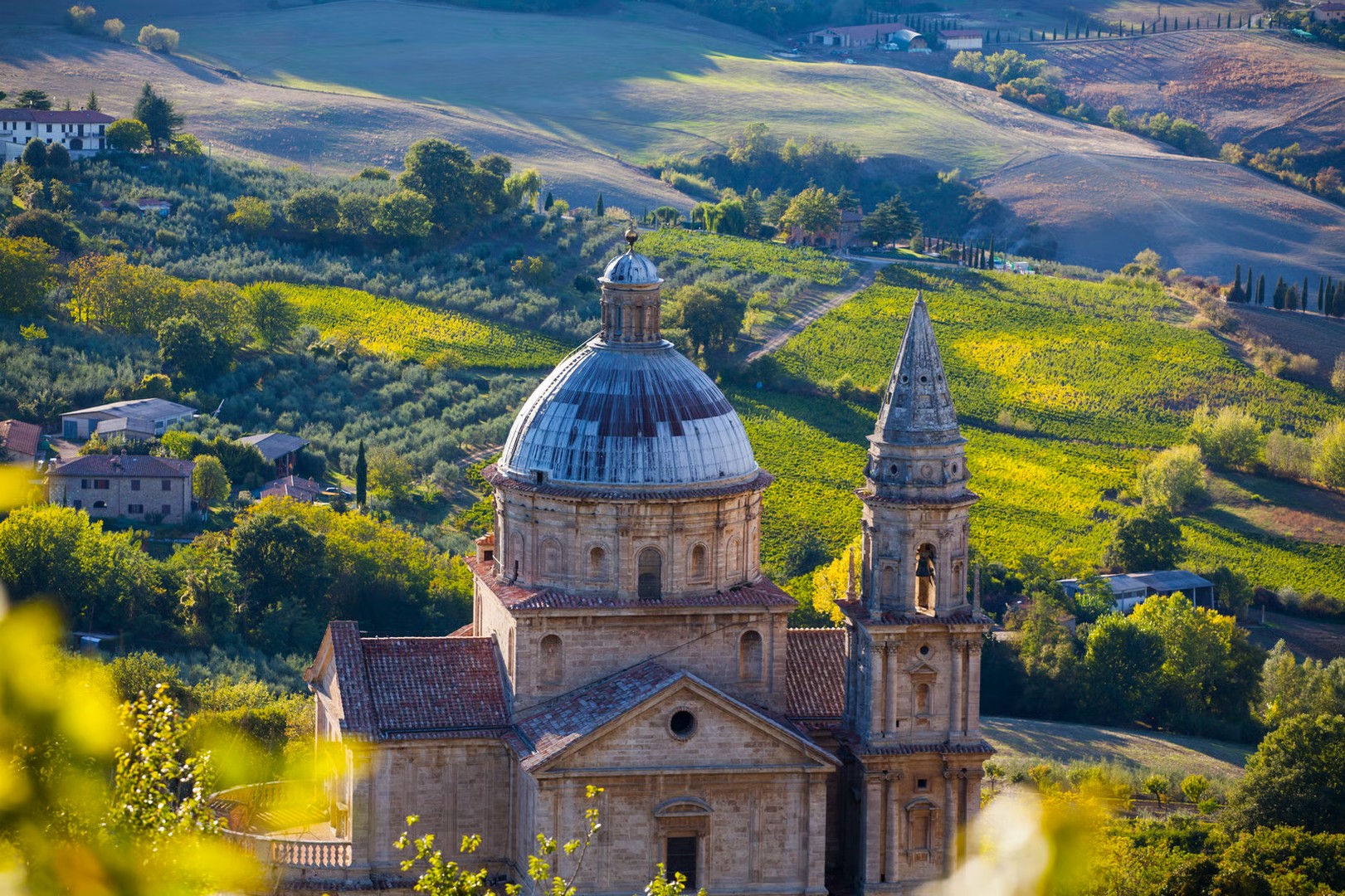
Pieve Sant'Ilario by Fattoria del Cerro: a fine red wine rich in history
The Pieve Project of Vino Nobile di Montepulciano
The idea of the Pievi has a decades-long history: as early as the 1990s, the Consorzio of Montepulciano had already begun zoning studies, among the earliest in Italy. The path that led to the “Pieve” designation formally began in 2020, involving all the wineries of the appellation. The approach was twofold: on one side, geological and pedological research; on the other, historical studies reaching back to the Leopoldine Cadastre of the 1800s. By cross-referencing these data, 12 zones were identified, each with organoleptic characteristics that can be recognized in the wines produced.
The introduction of the Pieve designation also has a practical consequence: it certifies the exact origin of the grapes. The result is a level of territorial traceability that few Italian appellations can claim: each bottle bearing the Pieve designation tells the specific story of a single hillside, elevating Vino Nobile to the highest standards of international zoning—on par with the great crus of the world.
To guarantee quality, the regulations require a double tasting commission: an internal panel within the Consorzio that evaluates the wine before bottling, and the Valoritalia certification panel, which performs the final check on a sample taken from the bottle.
Pieve Sant’Ilario: the enological interpretation of Tenute del Cerro
The regulations for the “Pieve” designation are among the most restrictive in the Italian wine landscape—and the difference compared to traditional Vino Nobile is clear. The standard regulations require a minimum of 70% Sangiovese and also allow international grape varieties such as Merlot or Cabernet in the blend.
The Pieve designation raises the bar: Sangiovese (in its local expression, Prugnolo Gentile) must account for at least 85% of the blend; the permitted complementary varieties are exclusively native—Canaiolo, Ciliegiolo, or Mammolo up to 15%, and Colorino up to 5%—while international and white grape varieties are not allowed. The vineyards must be at least 15 years old, managed directly by the estate that bottles the wine, and must comply with a maximum yield of 70 quintals per hectare (2.5 kg per vine), with no possibility of exceeding it. Lower yields mean greater concentration and aromatic complexity.
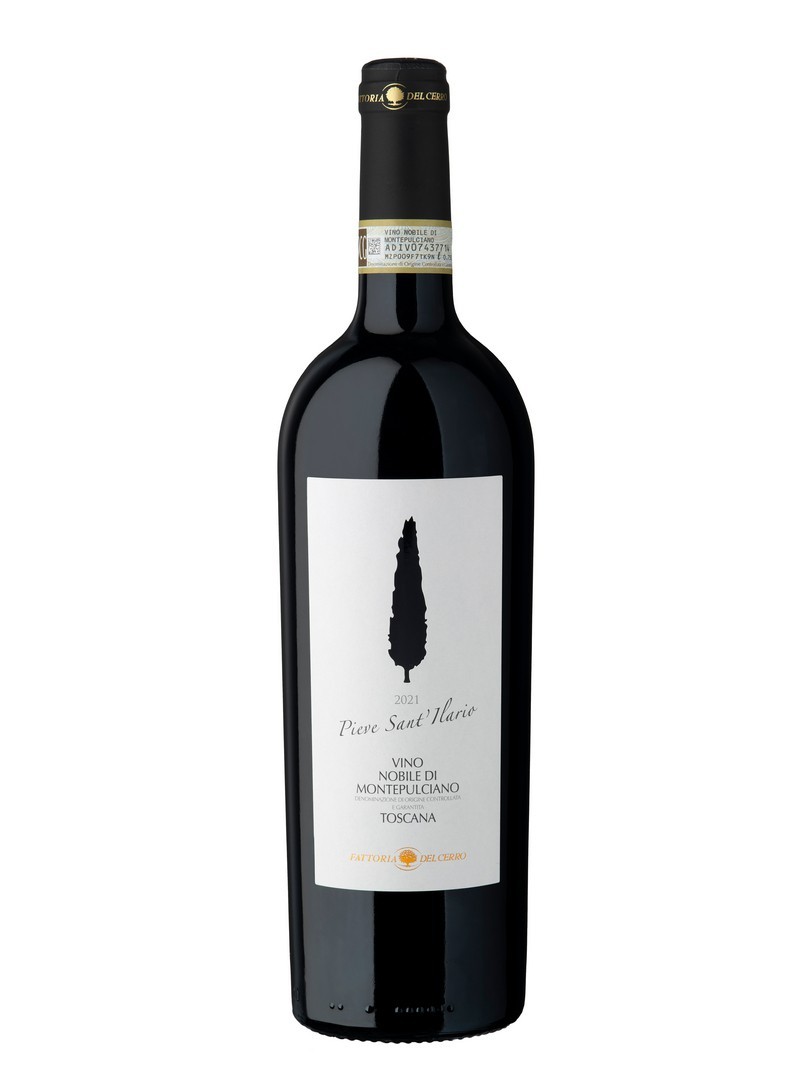
How to serve and pair Pieve Sant’Ilario
The organoleptic profile of Pieve Sant’Ilario faithfully reflects its terroir of origin. In the glass, the wine shows an intense ruby red color tending towards garnet. On the nose, it is complex and ethereal: clear notes of ripe red fruits emerge, interwoven with hints of sweet spices that gradually unfold with oxygenation—a profile that reflects the influence of silty and clay soils derived from ancient marine sediments. On the palate, it is long and elegant, with excellent concentration and structure, and a savory minerality that echoes the land of Montepulciano. The 2021 vintage received 93 points from James Suckling. It is the wine that sits at the вершина of Fattoria del Cerro’s quality pyramid, alongside Silìneo and Antica Chiusina—and its production is very limited.

A collectible bottle: gifting Pieve Sant'Ilario
A tasting of Pieve Sant'Ilario at Fattoria del Cerro
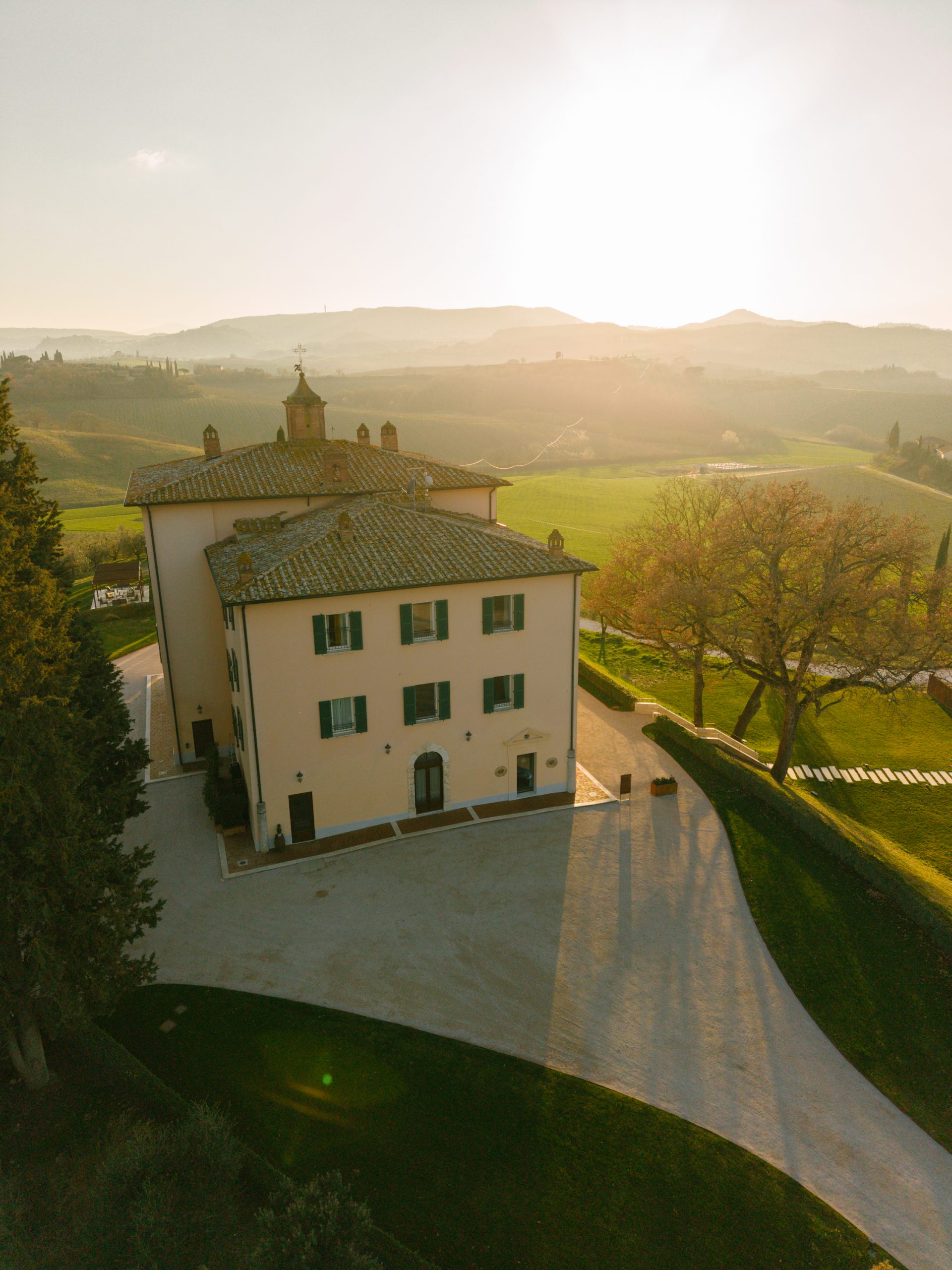
Fattoria del Cerro