Itineraries

Bolgheri: what to see in the Tuscan wine village (and its surroundings)
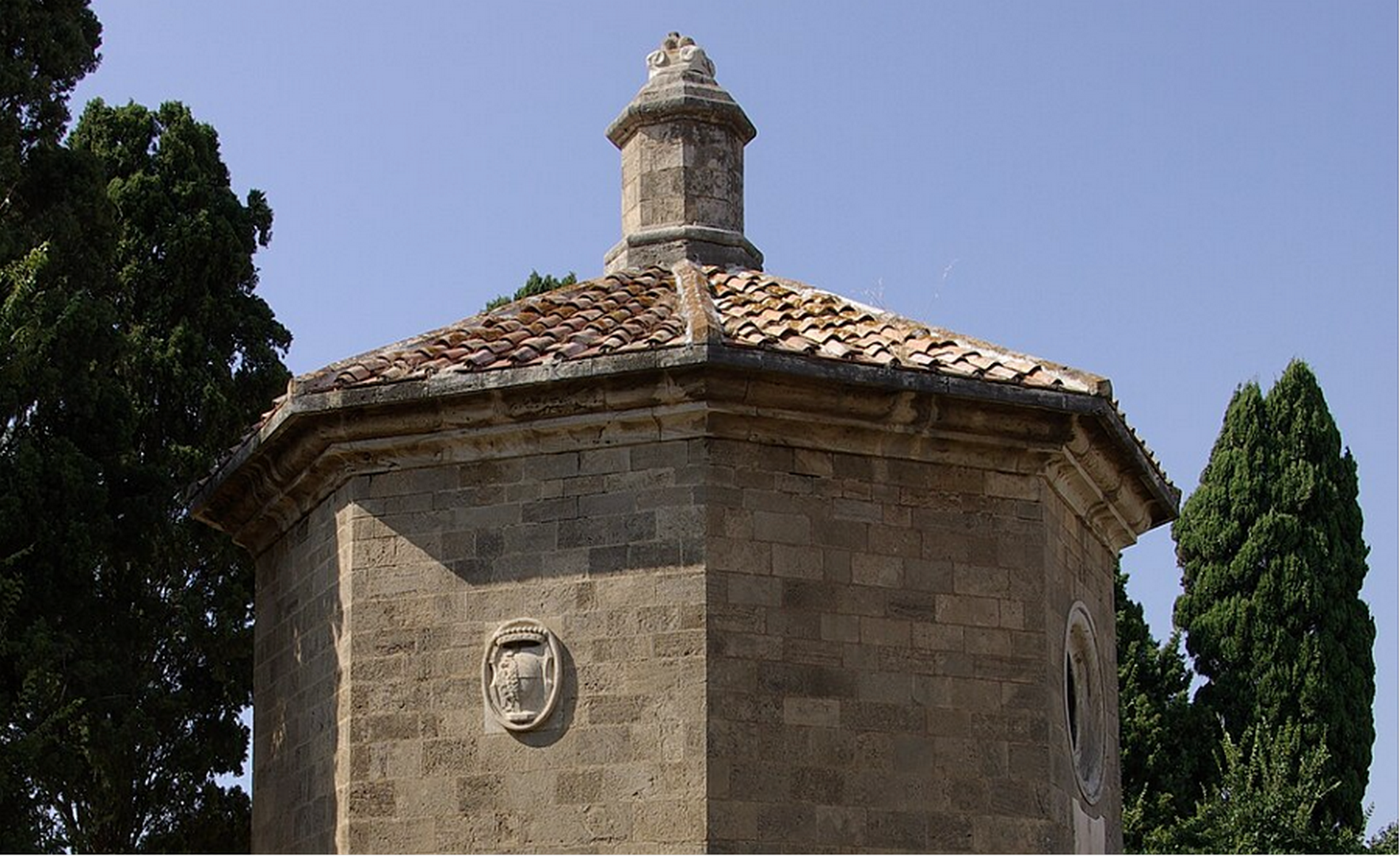
You reach Bolgheri along a road that many people already know, at least through the verses of Giosuè Carducci. From the Oratory of San Guido, the Viale dei Cipressi cuts through the countryside for nearly five kilometers and leads to the castle. It’s the landscape that opens Davanti San Guido, the poem in which the Nobel Prize-winning writer looks back in memory to the places of his childhood:


I cipressi che a Bólgheri alti e schietti

Van da San Guido in duplice filar,

Quasi in corsa giganti giovinetti

Mi balzarono incontro e mi guardâr.

[…]

G. Carducci, Davanti San Guido, in Rime nuove (1887)

Once you pass through the gate in the castle’s entrance tower, Bolgheri reveals itself to be smaller than you might imagine, but no less charming for it. The village is gathered into just a few streets, among paved alleys, shops, wine bars, and restaurants. Once you arrive, there’s no need to follow a set itinerary: this is what makes it an ideal destination for slow tourism – you stroll without hurry, stop for a glass of wine, and take in the landscape that opens up just beyond the walls.

A visit to Bolgheri, moreover, doesn’t end with the historic center alone. Around it are the vineyards and wineries along the Via Bolgherese, Castagneto Carducci and, a few kilometers away, the beaches of the Costa degli Etruschi. With a full weekend available, you can then continue on to Val di Cornia and the Monterufoli-Caselli Natural Park, where the landscape changes and the vineyards give way to woods, streams, and old mining traces.

What to see in Bolgheri in one day: from the Viale dei Cipressi to the castle
Bolgheri is a hamlet in the municipality of Castagneto Carducci, in the province of Livorno. It’s not located on the sea, but in the countryside of the Alta Maremma, a few kilometers from the beaches of Marina di Castagneto Carducci and Marina di Bibbona. We’re in the territory of the Costa degli Etruschi, a stretch of Tuscany that takes in the coastline but also extends inland across villages, vineyards, and hills.

The Viale dei Cipressi is one of the best-known places in Bolgheri, and not only because it opens the poem mentioned earlier: this road was built in the nineteenth century and later lined with cypress trees at the wish of Count Guidalberto della Gherardesca. Walking along it means gradually drawing closer to the village, flanked by two rows of trees that converge in perspective toward the castle tower.

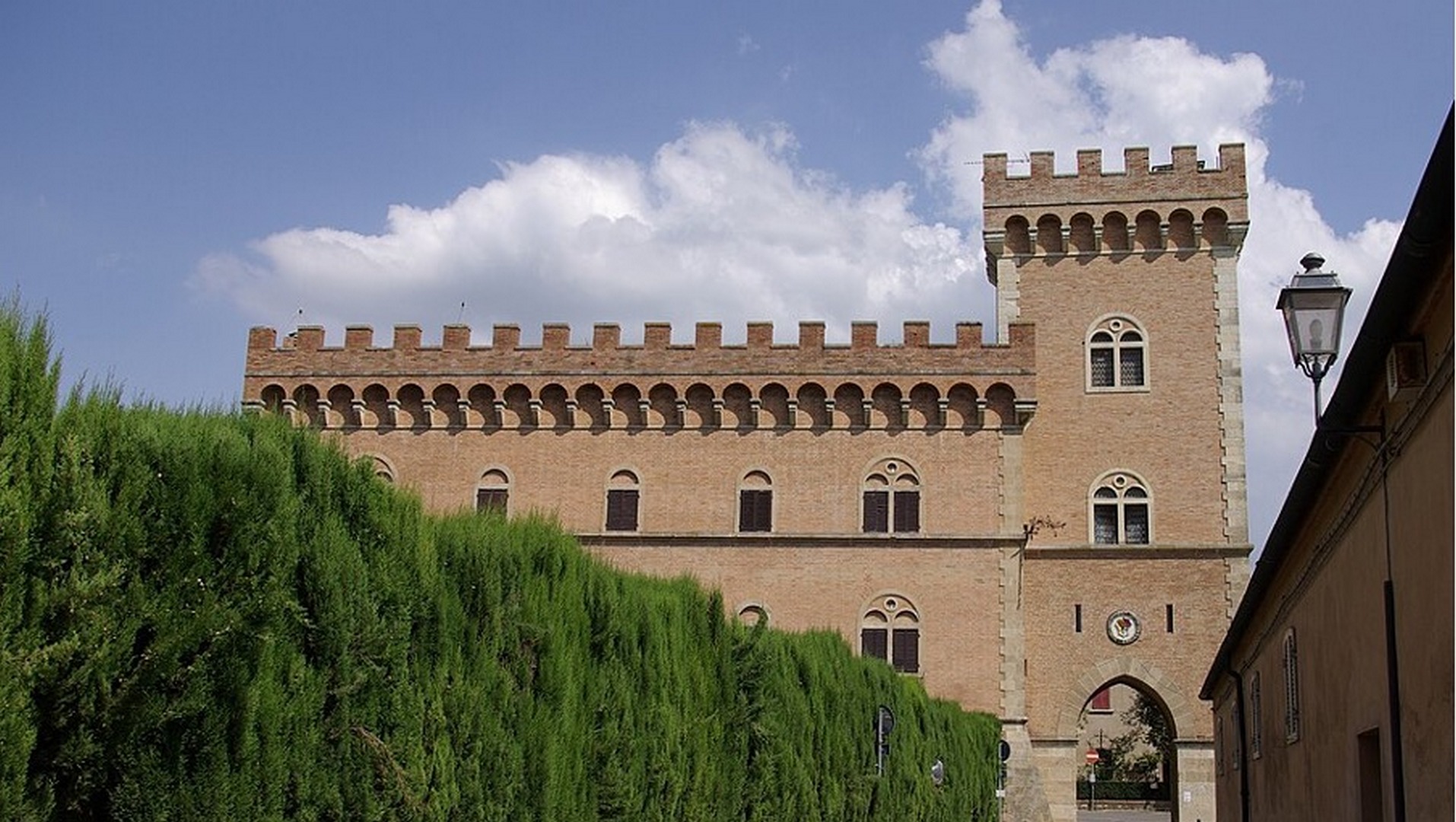
At the end of the avenue stands the Castello di Bolgheri, whose origins date back to the 13th century and whose history is tied to the della Gherardesca family. The arch at the base of the tower also serves as the entrance to the historic center. Passing through it, you reach the Church of Santi Giacomo e Cristoforo and the streets of the characteristic Tuscan village, clustered among stone houses, courtyards, shops, and wine venues.

A few hours are enough to visit Bolgheri, which can be rounded out with a stop for lunch or an aperitivo. The easiest stop to pair with it is Castagneto Carducci, the medieval village overlooking the plain and linked to the life of the poet. From here the view reaches the coast, offering a clearer sense of the area’s geography: the sea on one side, the hills on the other, and, in between, the vineyards that have made Bolgheri famous around the world.

The wines of Bolgheri: Bolgheri Rosso and Vermentino
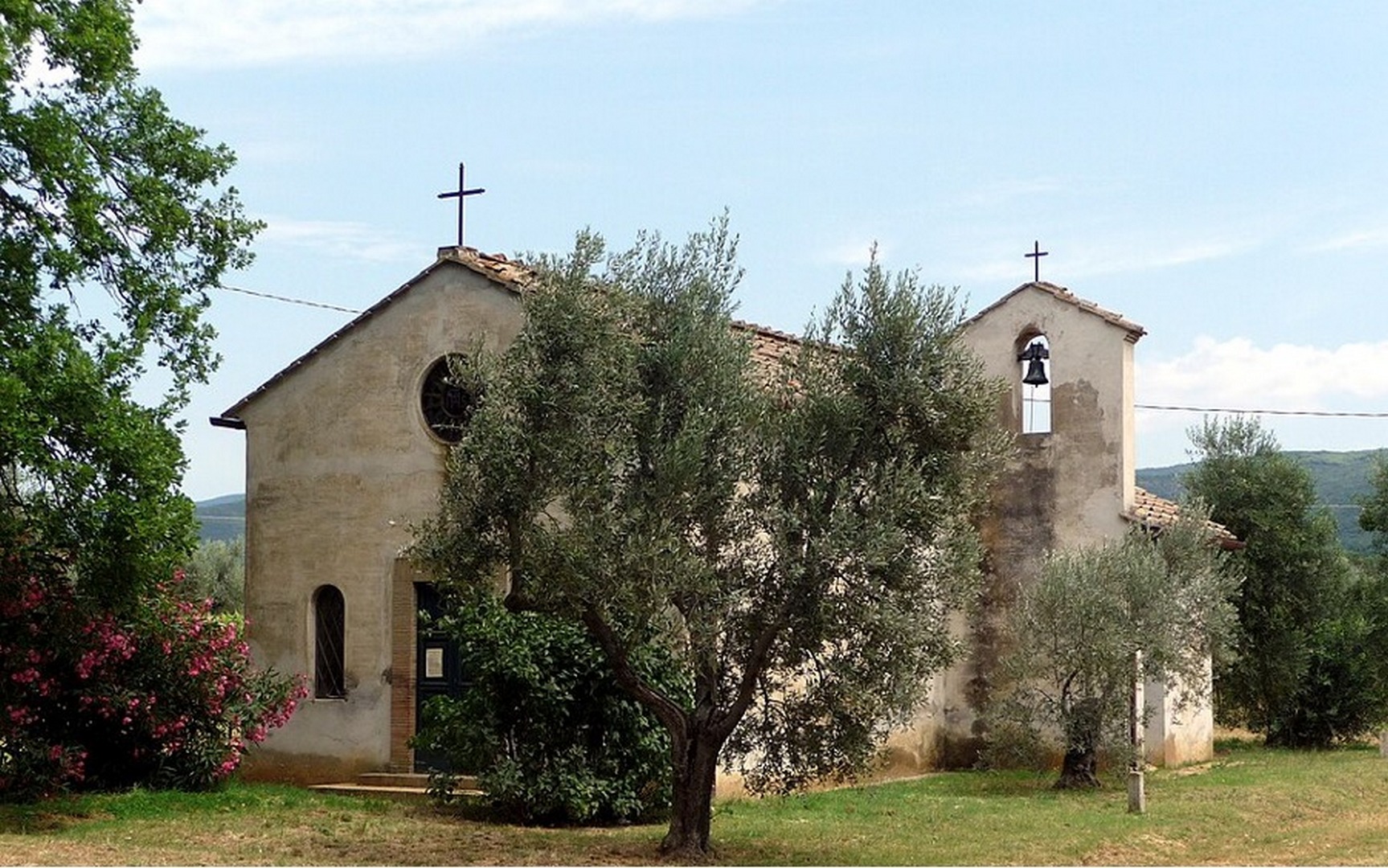
Beyond the walls begins the journey along the wine roads. The Via Bolgherese, or SP16, crosses the countryside and connects Bolgheri to Castagneto Carducci along the Strada del Vino e dell’Olio della Costa degli Etruschi (Wine and Olive Oil Road of the Costa degli Etruschi). Many of the appellation’s wineries are found here or on nearby roads, among vine rows, farmsteads, and stretches of Mediterranean scrub.

A wine tour in this area can include a walk through the vineyards, a visit to the production facilities, and a guided tasting. The offerings, opening hours, and wines available for tasting vary from one winery to another, so it’s always advisable to book ahead. To enjoy the day without rushing, it’s best to choose one or two wineries and leave time for the village and the landscape as well.

The history of the Bolgheri DOC is more recent than the fame of its wines might suggest. The first production regulations, approved in 1983, covered only white and rosé wines. Bolgheri Rosso and Bolgheri Superiore were recognized in 1994, by which time some labels produced in the area had already gained significant international recognition.

Bolgheri Rosso is made mainly from Cabernet Sauvignon, Cabernet Franc, and Merlot, used together or on their own and sometimes joined by Syrah, Sangiovese, and other grape varieties permitted under the regulations. Despite differences between producers and vintages, the wines of the area often share ripe black fruit, balsamic notes from the Mediterranean scrub, well-present tannins, and a savory quality linked to the sea’s proximity.

Alongside the reds is Bolgheri Vermentino. Vermentino is the reference grape variety for the denomination’s white wines and can be vinified on its own or blended with Sauvignon Blanc and Viognier. The result is generally fresh, approachable, and easily recognizable wines, particularly well suited to seafood cuisine.


Bolgheri and Bolgheri Sassicaia: what’s the difference


Bolgheri and Bolgheri Sassicaia are not synonyms. The first denomination covers several wine types and numerous producers; Bolgheri Sassicaia, established as a subzone in 1994, has instead been an independent DOC since 2013, referring to a specific area and to a wine made with at least 80% Cabernet Sauvignon.

Bolgheri or Val di Cornia? Two perspectives on maritime wine Tuscany
Bolgheri and Val di Cornia are both part of coastal Tuscany and are shaped by the presence of the Tyrrhenian Sea, yet each has its own distinct character. Bolgheri has built much of its identity on Bordeaux-style grape varieties, finding in this coastal area the ideal microclimate to produce elegant, soft, and structured wines that are now celebrated internationally. The proximity to the sea and the sandy-clay soils give these blends enveloping, balsamic notes, making them a benchmark for lovers of great French-style reds.

Moving slightly further south, Val di Cornia is instead shaped by the influence of the Colline Metallifere (Metalliferous Hills), which translates into a markedly different terroir and a closer connection to the local tradition of Sangiovese. The wines of this subzone retain a more pronounced freshness and acidity, offering the palate a warmer, more rustic, and distinctly mineral profile. Val di Cornia’s character emerges precisely from this bond with the land and from a distinctive savory quality, which clearly sets its bottles apart from those of neighboring Bolgheri.

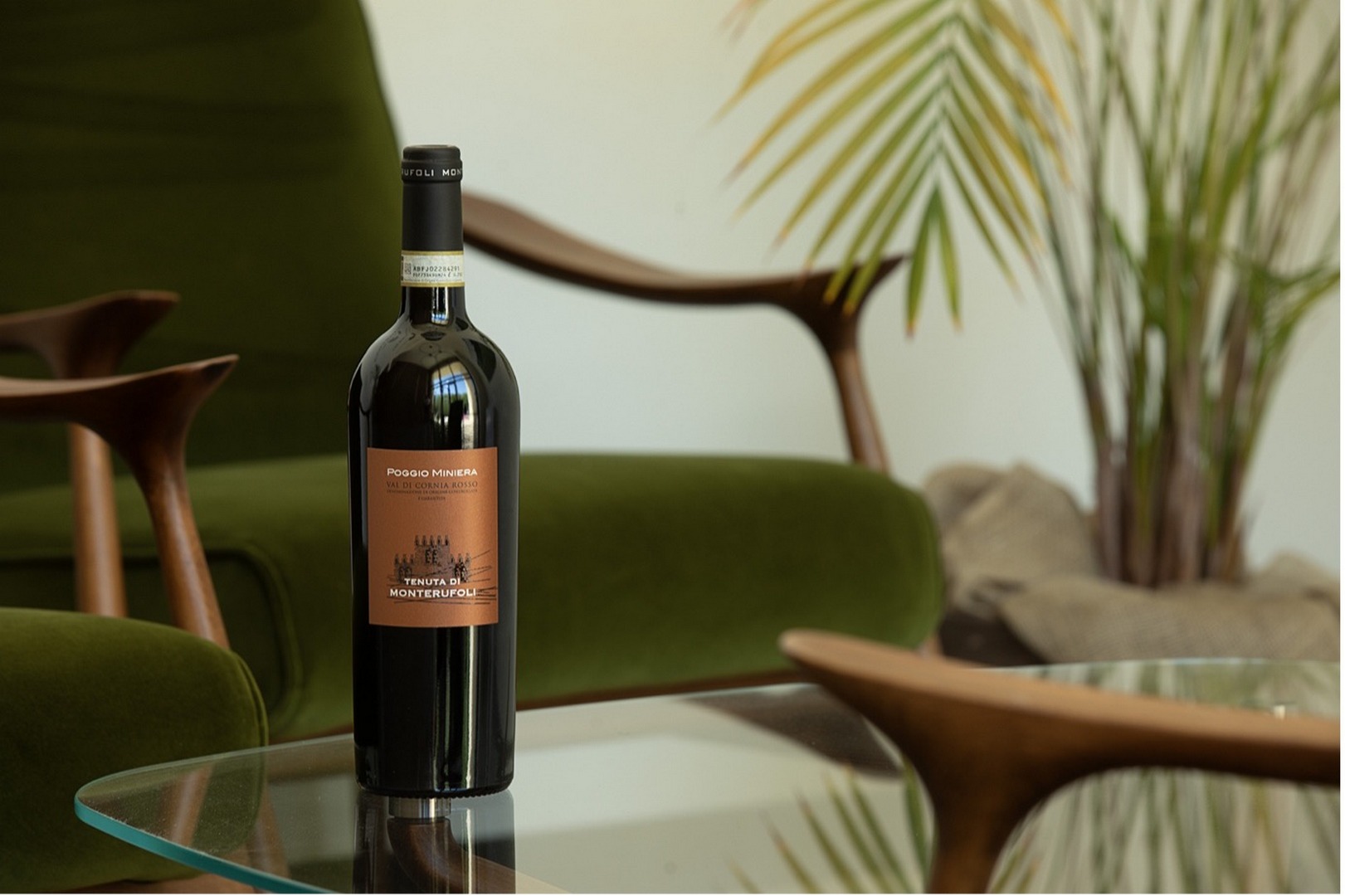
The Poggio Miniera Val di Cornia Rosso DOCG from Tenute del Cerro, for example, is made from 100% Sangiovese. On the nose it shows notes of ripe red fruit, spice, and balsamic hints; on the palate it’s full and round, with balanced tannins and a savory finish. Compared to the darker fruit and often denser texture of Bolgheri blends, Poggio Miniera keeps a profile directly tied to Sangiovese and to the wooded, mining landscape of Monterufoli.

Another interesting comparison concerns Vermentino. In Bolgheri, the grape grows on the coastal plain, exposed to sea breezes. The Pian di Seta Vermentino di Toscana IGT, on the other hand, is grown on the inland hills, on silty-clay soils with a significant presence of limestone. On the nose it combines fruity and floral notes with mineral hints; on the palate it’s soft and broad, with a fresh, savory finish.

Tasting these Tuscan wines side by side shows how the same closeness to the sea can take on different nuances.

What to see around Bolgheri: from the Costa degli Etruschi to the inland hills

Bolgheri can be one of the stops on a vacation along the Costa degli Etruschi, and beyond. Marina di Castagneto Carducci and Marina di Bibbona are the nearest seaside towns; continuing south you reach San Vincenzo, the Golfo di Baratti, and the Baratti and Populonia Archaeological Park, where a day at the beach can be paired with a visit to the Etruscan necropolises and the ancient acropolis.

Between the village and the coast lies the Padule di Bolgheri Wildlife Refuge, a WWF-affiliated oasis that preserves one of Tuscany’s few still-intact coastal and back-dune environments. Across its 513 hectares, wet meadows, flooded woodlands, ponds, dunes, and shoreline alternate, forming habitats used by more than 250 bird species. Established in 1959 on the initiative of Marchese Mario Incisa della Rocchetta, it was Italy’s first privately protected area. The oasis is open to the public from November to April, and it’s advisable to check visiting arrangements and availability through official contacts beforehand.

Moving inland, the landscape gradually changes. Suvereto and Campiglia Marittima are surrounded by olive groves, vineyards, and traces of the mining activity that shaped this part of Tuscany for centuries, an activity that finds expression today in the Monterufoli-Caselli Natural Park.

The best time to visit Bolgheri, and where to stay

Spring and early autumn are the best times to visit Bolgheri and continue on into the inland areas. Between April and June, the temperatures make it easy to alternate between villages, wineries, and walks; September and October bring the colors of the grape harvest, but require booking tastings in advance, since it’s the busiest time of year for wineries.

Summer is the perfect time especially for those who want to combine a trip to Bolgheri with a seaside vacation in Tuscany. In the warmer months, it’s best to visit the village in the morning or late afternoon, avoiding the midday hours and times of greatest crowding. Winter offers a quieter atmosphere, but it’s always worth checking the opening hours and availability of wineries and restaurants.


A Farmhouse stay between Bolgheri and the Val di Cecina


To stay overnight in this area and spend a weekend immersed in nature and Tuscany’s mining history, you can opt for the farmhouse accommodation at Tenuta di Monterufoli. Guests have access to a swimming pool, a multi-purpose sports field, La Miniera restaurant, open year-round, and a wine shop with a tasting room for Tenute del Cerro wines.

A weekend between Bolgheri and Tenuta di Monterufoli: tips for a two-day itinerary

The first day can be devoted to the village of Bolgheri, starting from the Viale dei Cipressi, and to a winery along the Via Bolgherese, with a detour toward Castagneto Carducci or the sea. In the evening you can head to Monterufoli, then visit the estate the following day, choosing between a tasting, a trekking route through the natural park, and a traditional lunch at the La Miniera restaurant.

Bolgheri becomes even more compelling when seen as the starting point of a wine journey through maritime Tuscany: between the coast and the hills, between Bordeaux-style blends and the Val di Cornia.

Bolgheri: what to see in the Tuscan wine village (and its surroundings)

{title}

{description}

All the news

About the estate

Red wines to drink chilled: a guide to chillable reds
Learn more
Cooking class in Tuscany: handmade pasta making in Montepulciano
Learn more
Wine tourism and architecture: discovering design wineries
Learn more
A signature cacciucco at the restaurant La Miniera
Learn more
Between the Via Francigena and the Sea: 4 Trekking Routes in Tuscany
Learn more
What to do in Montepulciano in summer: events, tastings, and vineyard experiences
Learn more