Estate news

Red wines to drink chilled: a guide to chillable reds
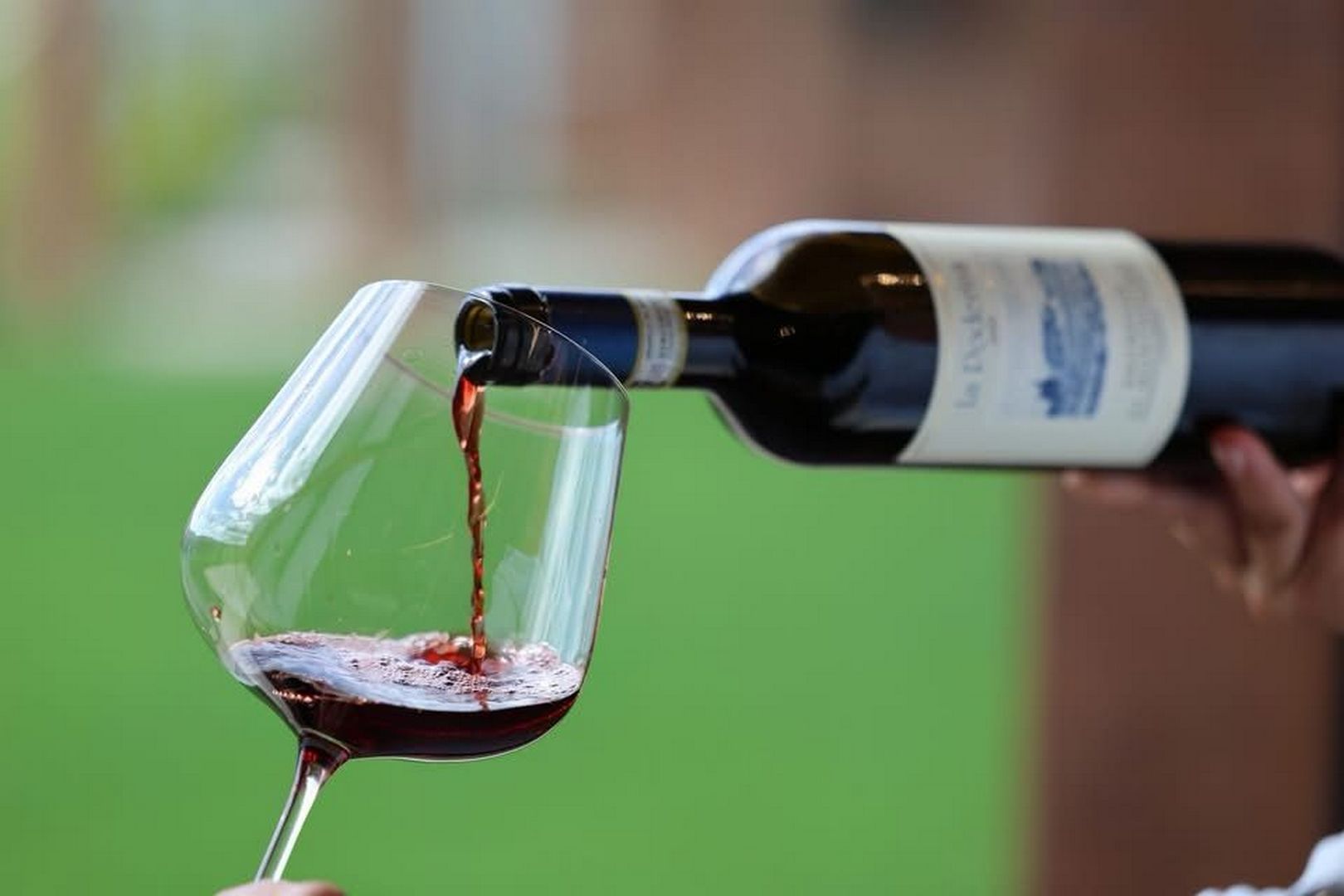
Red wine has always been considered the star of the colder seasons, while in summer the choice fell on whites, rosés, and sparkling wines. Today, this pattern is changing. More and more wine lovers are discovering the pleasure of serving certain red wines slightly chilled, enhancing their fruitiness, freshness, and drinkability.

This is the phenomenon of chillable reds, red wines to be drunk chilled: one of the most interesting consumption trends of recent years, which we highlighted in our guide to Tuscan and Umbrian wines. Driven by an increasingly warm climate and a growing search for versatile wines, red wine finds a new dimension of consumption: aperitifs, outdoor dinners, and summer evenings become the perfect opportunity to rediscover it at a different temperature than usual.

What are chillable reds?

“Chillable reds” refers to those red wines that can be served chilled, around 14-16°C (57-61°F), without losing their aromatic complexity or structure. On the contrary, for certain types of wine, this is precisely the temperature that enhances the fruitiness, tones down the perception of alcohol, and makes each sip more enjoyable.

This trend originated in international markets, especially in the United States, where there is a growing interest in wines with moderate alcohol content that are easy to drink and perfect for a more casual lifestyle. In Italy, too, this topic has now entered the winemaking debate: among the first to promote this philosophy was the Consorzio Vino Chianti with the project “Fresh Chianti, enjoy it at 16 degrees”, created to invite consumers to rediscover red wine even during the summer season.

Ultimately, it is mostly a matter of clearing up a misunderstanding. When people say that red wine should be served at “room temperature,” they are referring to the temperature of a wine cellar, around 16-18°C (61-64°F), not the 28°C (82°F) of a July evening. In fact, serving a red wine too warm means throwing off its balance, making the alcohol content stand out too much.

What makes a red wine suitable for serving chilled?

Not all red wines react to the cold in the same way. In general, younger and less tannic wines are better suited to be served around 14-16°C (57-61°F), while older, tannin-rich wines express their full character a few degrees higher.

The difference lies in a few specific characteristics that make red wines suitable for serving chilled:


  • Delicate tannins: Cold temperatures tend to make tannins more noticeable. For this reason, the best chillable reds have a soft and well-integrated tannic structure, which keeps each sip pleasant even at lower temperatures than usual.

  • Lively natural acidity: Freshness is what gives energy to the wine. Good acidity supports the palate, increases the feeling of lightness, and makes the wine more refreshing during the hotter months.

  • Moderate alcohol content: A wine with a moderate alcohol level — generally under 14% — is more balanced when chilled, because the cold tones down the perception of alcohol heat and leaves room for the fruit.

  • Fresh and fruity aromatic profile: Red fruits, cherry, cranberry, and light spicy notes stand out at cooler temperatures and are ideal for those looking for an easy-drinking wine.


These characteristics develop first of all in the vineyard and are then consolidated in the cellar. Harvesting at the right stage of ripeness, gentle extraction, and a careful use of oak help preserve freshness and balance. However, the work does not end with bottling: proper storage and the serving temperature also help bring out the best of the wine in the glass.

How to serve a red wine in summer
If you are wondering at what temperature to serve red wine, the ideal range is 14 to 16°C (57-61°F) for reds to be enjoyed chilled, and a few degrees higher — around 16-17°C (61-63°F) — for slightly more structured ones. The important thing is to avoid extremes. If the wine is too cold, the aromas tend to close up and the tannins can feel harsher; on the other hand, if it is too warm, the alcohol component becomes more noticeable, throwing off the balance of the sip.

To reach the ideal temperature, simply place the bottle in the refrigerator for about 20-30 minutes before serving. This way, the wine gains freshness without losing its aromatic expressiveness.
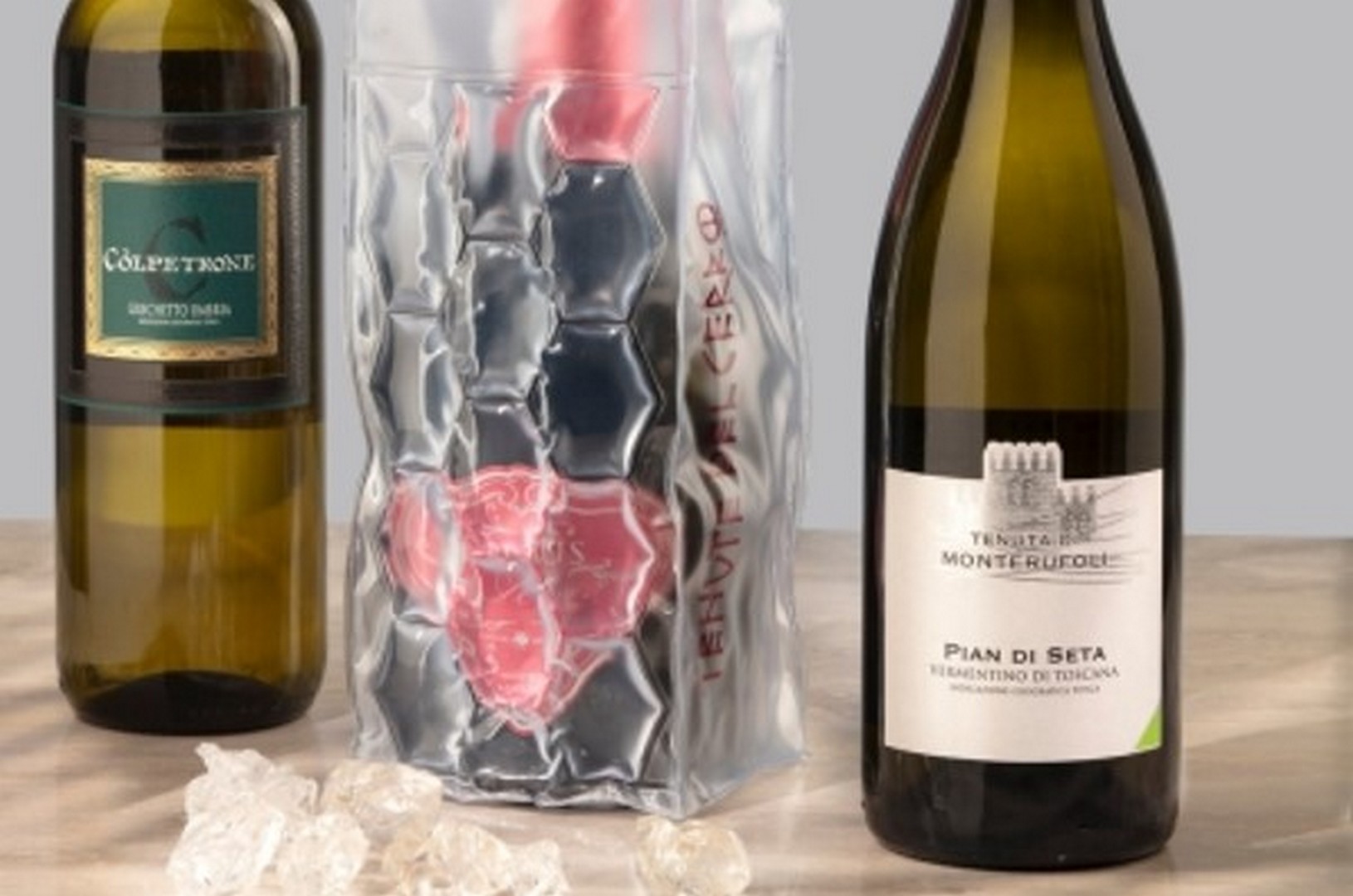
Furthermore, during a summer dinner, the bottle tends to warm up quickly. To keep the temperature constant without over-chilling the wine, using an ice bag can be very useful: it is practical, always ready in the freezer, and perfect not only for whites and rosés, but also for reds served chilled.

The glass also plays an important role. A tulip-shaped glass, with a wide base and a slightly narrowed rim, supports the evolution of the aromas and preserves freshness by limiting oxygenation.

What are the best red wines to serve chilled?

In Italy, there is no shortage of red wines to drink chilled. In the North, between Alto Adige, Veneto, and Piedmont, you can find young, low-tannin reds like Schiava—the base of Santa Maddalena DOC—Bardolino, Valpolicella in its freshest styles, and Grignolino del Monferrato, famous for its pale color and extraordinary drinkability. Moving down the peninsula, Sicilian Frappato is one of the wines that best embodies the spirit of chillable reds, thanks to its delicate tannins and aromas of small red fruits. Even a young Chianti or a lightly aged Rosso di Montepulciano can be surprising when served around 14-16°C (57-61°F), while Lambrusco, with its natural fizz, is a case of its own and is traditionally enjoyed at even lower temperatures.

However, this phenomenon is not limited to Italy. In France, Beaujolais, made from Gamay grapes, is probably the most famous chillable red in the world, while Pinot Noir—from Burgundy to Alto Adige, by way of Oregon and New Zealand—is appreciated for its elegance even when served slightly chilled. In Austria, on the other hand, we find Zweigelt, which stands out for its fruity profile and soft tannins.


Tenute del Cerro reds to try chilled

Some labels from Tenute del Cerro, thanks to their balance of acidity, tannins, and fruity components, naturally lend themselves to being tasted at a slightly lower serving temperature, especially during the warm season.


Rosso di Montepulciano DOC “Tenuta La Grazianella”


Younger than Vino Nobile di Montepulciano, Rosso di Montepulciano “Tenuta La Grazianella” is the ideal candidate among Tenute del Cerro’s chillable reds. Its moderate alcohol content (12.5%), an aromatic profile focused on black cherry and violet, and a delicate tannic structure make it inviting even when served chilled. Around 16°C (61°F), the fruit and freshness of the Sangiovese emerge with greater clarity, making Rosso di Montepulciano the ideal companion for aperitifs, cured meat boards, summer first courses, and barbecues.


Chianti Colli Senesi DOCG


Chianti Colli Senesi is born with a natural vocation for conviviality. Made predominantly from Sangiovese, it has an alcohol content of 13%, aromas of cherry and black cherry, and a pleasant freshness that make it perfect to serve chilled. It is the wine to uncork during a dinner with friends, a picnic, or an outdoor lunch: versatile and fragrant, it demonstrates how a red wine can be the star even on the hottest days.


Montefalco Rosso DOC


Despite having a more substantial structure, Montefalco Rosso by Còlpetrone surprises with its balance and drinkability. The blend of Sangiovese, Sagrantino, and Merlot combines softness, acidity, and a fruity component—characteristics that allow it to handle a slightly lower serving temperature well, around 16°C (61°F). The result is a dynamic wine capable of accompanying barbecues, grilled meats, and outdoor dinners without feeling heavy, while enhancing notes of raspberry and delicate spicy hints.
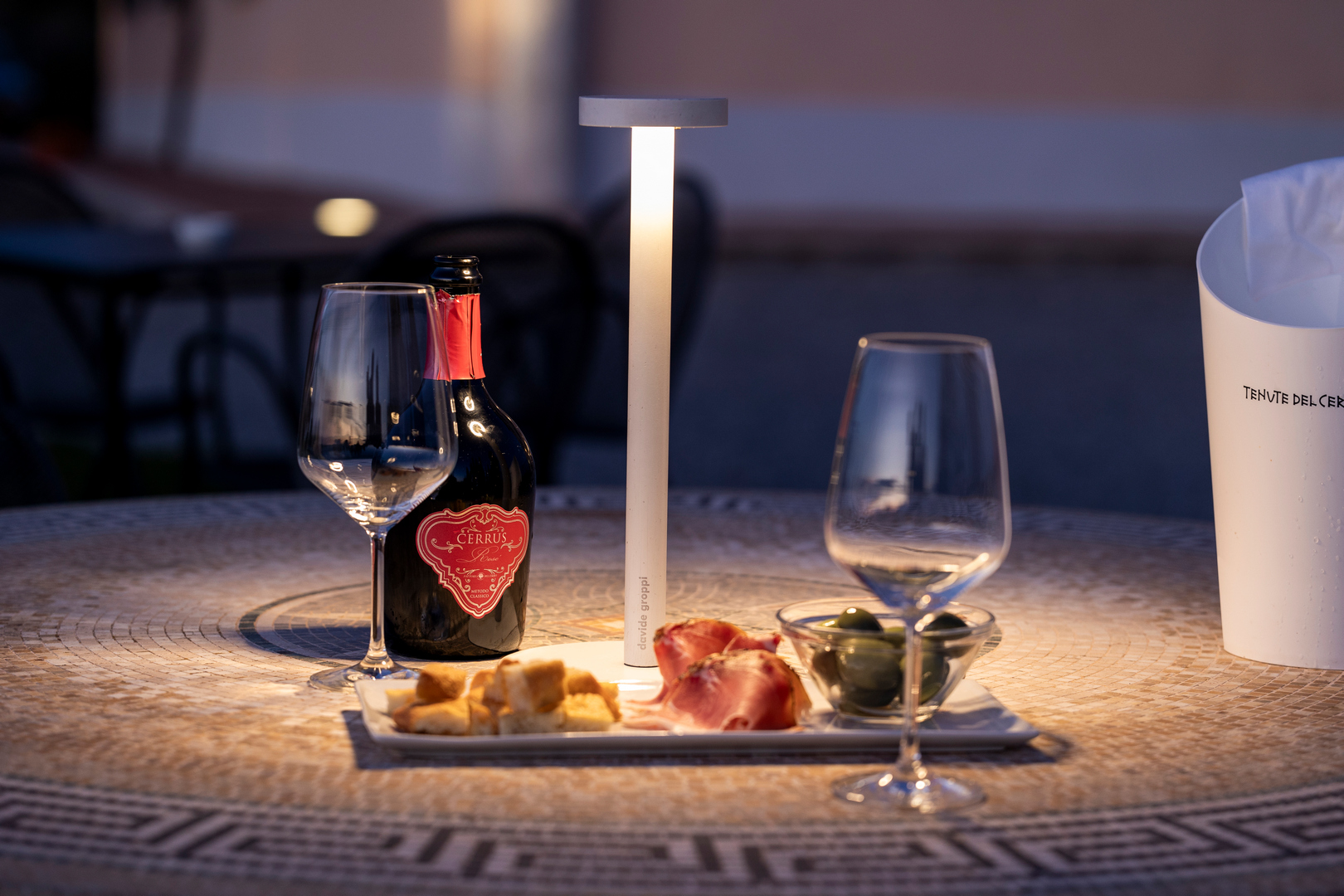
Alongside these three Tuscan and Umbrian chillable reds, two more labels deserve a mention for those looking to broaden their horizons. Rosso di Montalcino DOC by La Poderina, served around 15-16°C (59-61°F), enhances the more fragrant side of Sangiovese without losing its elegance, making it perfect for Tuscan cuisine and summer dinners. For those who prefer to stick with bubbles instead, Cerrus Rosé Spumante Brut—with its fine perlage and notes of raspberry and cherry—is an equally suitable alternative for aperitifs and summer evenings with friends.

Whatever your tasting style, the Tenute del Cerro Wine Club is the best way to discover new labels, receive selections tailored for every season, and stay updated on the latest news from the world of Tenute del Cerro.

Còlpetrone

Founded in 1995 with the construction of the current winery, it is one of the most important production realities in the Montefalco DOCG area.

Còlpetrone-white

{title}

{description}

All the news

About the estate

Cooking class in Tuscany: handmade pasta making in Montepulciano
Learn more
Wine tourism and architecture: discovering design wineries
Learn more
A signature cacciucco at the restaurant La Miniera
Learn more
Between the Via Francigena and the Sea: 4 Trekking Routes in Tuscany
Learn more
What to do in Montepulciano in summer: events, tastings, and vineyard experiences
Learn more
The Etruscan Coast beyond the sea: At Monterufoli, among hiking trails, relaxation and wine
Learn more