The right wine for an autumn menu: a guide to seasonal dishes and pairings
With the arrival of autumn, the landscape changes and the days grow shorter, giving way to intense flavors and unmistakable woodland aromas. It is the perfect time of year to bring the true stars of autumn cuisine to the table: pumpkin, roasted chestnuts, freshly picked mushrooms, and truffles.
But how does wine selection change as we transition from summer to autumn? While in the warmer months we looked for freshness and lightness with chillable reds—red wines served chilled—and palate-cleansing white wines; in autumn, the texture of the dishes changes. Preparations become warm and comforting, rich in aromatic nuances that the wine must be capable of enhancing.
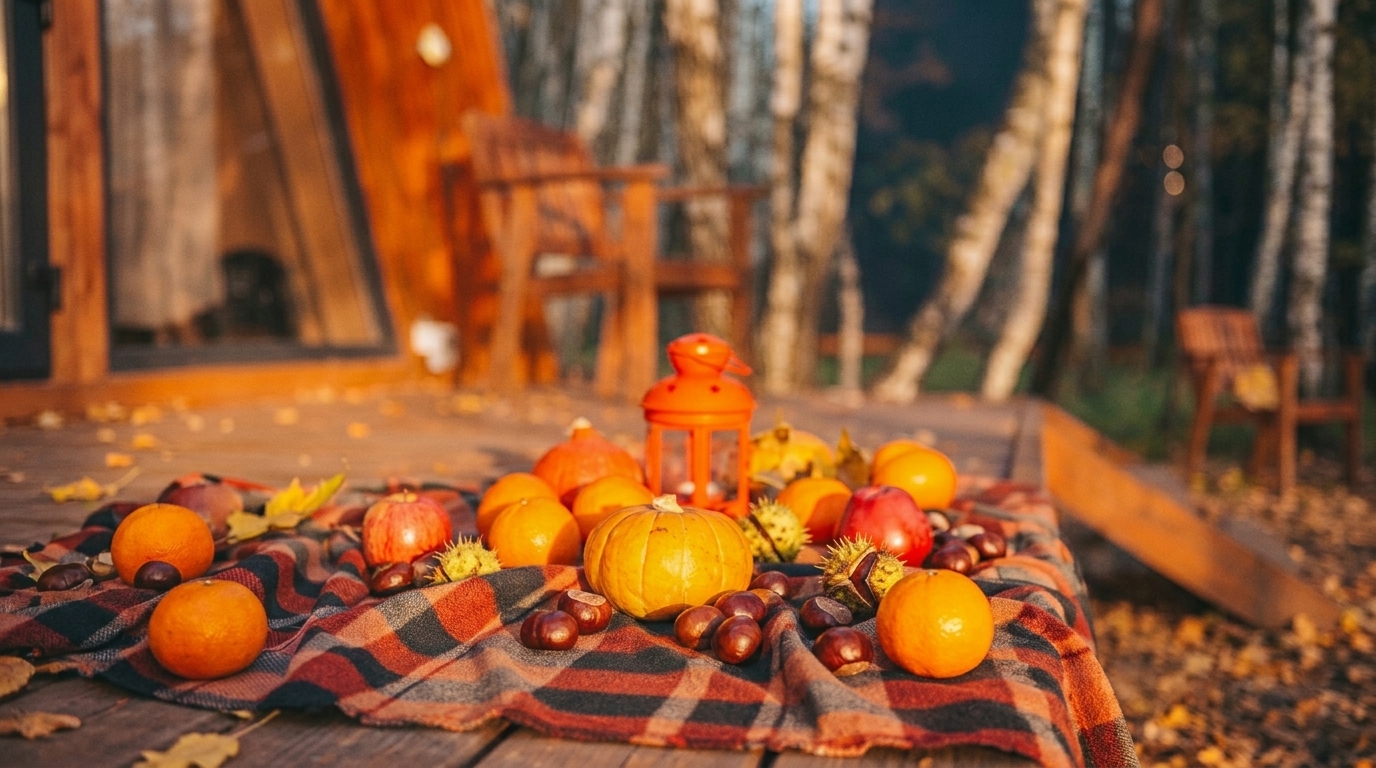
Which wine to pair with autumn dishes: from chestnuts to truffles
Chestnuts and wine: pairings for every preparation
Sweet and starchy, chestnuts are among the most versatile ingredients of autumn. They can be enjoyed freshly roasted, added to soups, or transformed into flour to make fresh pasta and desserts. Depending on the recipe, their texture and flavor intensity change, therefore requiring pairings with different wines.
Roasted chestnuts pair beautifully with a Montefalco Rosso DOC: Sangiovese brings freshness, while Sagrantino component adds a tannic texture that cleanses the palate from the starchiness of the chestnut. Alternatively, a Rosso di Montepulciano is even fresher and more immediate.
When chestnuts are used in a soup or a first course, perhaps with pancetta or mushrooms, the flavors become richer. In this case, you can choose a well-structured red, such as a Chianti Colli Senesi DOCG, which can accompany the dish without overpowering the other ingredients.
What about castagnaccio (chestnut cake)? A sweet wine is needed here: a Montefalco Sagrantino Passito DOCG complements the rustic notes of the chestnut flour with fruity and spicy undertones. For marrons glacés and fritters, a Vinsanto di Montepulciano DOC is also an excellent option, offering aromatic notes of apricot, peach, fig, and dried herbs.
We have explored end-of-meal pairings in more depth in our guide to Italian dessert wines.
Wine and pumpkin pairing: how to balance the sweetness
The natural sweetness and soft texture of pumpkin find a great balance with fresh, savory wines. A crisp white wine or a brut sparkling wine are two excellent options to consider, depending on the specific recipe.
For a pumpkin soup, for instance, a Grechetto Umbria IGT makes an interesting pairing thanks to its fresh profile and slightly bitter finish. Alternatively, Pian di Seta Vermentino plays on an almost marine sapidity that enhances the creaminess of the dish.
With pumpkin tortelli, especially in traditional Lombard recipes featuring amaretto and mostarda, the contrast needs to be sharper: a traditional method sparkling wine like Cerrus Brut cleanses the palate with every sip. For baked pumpkin, instead, you can choose a dry, fresh white wine such as Pinot Bianco or Chardonnay.
For more sophisticated pumpkin dishes, such as pumpkin gnocchi with smoked ricotta, a Malvasia is well worth considering.
Mushrooms and wine: which bottles to pair with porcini, risotti, and tagliatelle
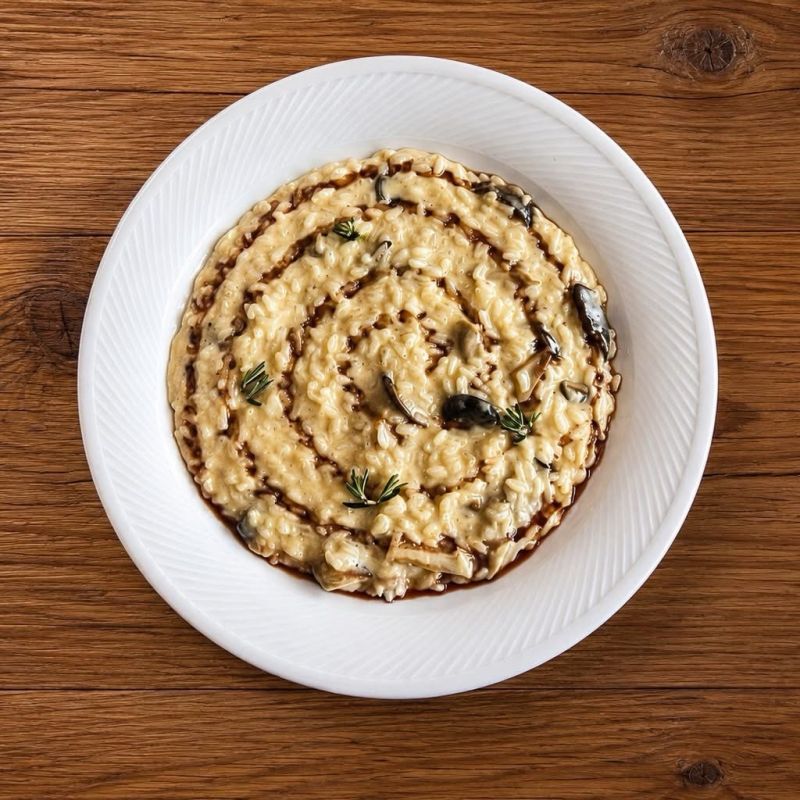
Even the preparation makes a difference. With porcini tagliatelle, for instance, you can choose a Silìneo, Vino Nobile di Montepulciano DOCG: the Prugnolo Gentile—the baseline grape variety of this wine—develops spicy nuances and notes reminiscent of the undergrowth during aging, aligning beautifully with the aromatic profile of the mushrooms. For a lighter version, you can opt for a Rosso di Montalcino, which is less structured and allows the main ingredient to take center stage.
In mushroom risotti, the mantecatura adds creaminess to the dish. If porcini are the main feature, you can stay with a medium-bodied red like a Montefalco Rosso, which accompanies the intensity of the mushrooms without weighing down the dish.
Sautéed porcini served as a side dish pair well with a full-bodied white wine, such as Pinot Bianco or Verdicchio, or a light red like Pinot Nero. For fried mushrooms, instead, sparkling wines help balance the oily component and refresh the palate.
With a meat course, such as a porcini filet steak, you can choose a Vino Nobile DOCG, which is capable of supporting both the meat and the aromatic intensity of the mushrooms.
Wine and truffles: how to elevate a precious ingredient
Truffles possess an intense and unmistakable aroma, capable of becoming the star of the dish even when used in small quantities. Because of this, it is crucial to find a balance when choosing the wine: the more precious the ingredient, the more the wine needs to take a step back.
With white truffle, on tagliolini, fried eggs, or carpaccio, a well-balanced and structured white wine is preferable: Vermentino or Grechetto are the right choices to accompany the dish without overlapping with its main ingredient.
Black truffle, being earthier and less volatile, calls for a structured red wine. Paired with a meat course enriched by black truffle, a Vino Nobile Riserva can create an interesting dialogue between the aromas of the wine and those of the dish. The evolved notes of spices and undergrowth, when present, contribute to a pairing by harmony, where aromatic similarities elevate both.
Typical autumn products: a focus on seasonal cuisine ingredients
Autumn cuisine is made of simple ingredients and recipes rooted in peasant traditions: few ingredients, long cooking times, and zero waste. A stroll through the market between September and November is all it takes to notice.
Among the fruits, persimmons, pomegranates, and table grapes make their appearance, while the vegetable garden delivers Lacinato kale, Savoy cabbage, and cauliflower—the stars of many regional recipes, such as Tuscan ribollita. Legumes take center stage once again: lentils, beans, and chickpeas enrich soups and stews, and they pair beautifully with a red wine, to be chosen based on the specific recipe. Walnuts, almonds, and hazelnuts round off meals and end up chopped into sauces for fresh pasta.
For main courses, it is the season for game, from stewed wild boar to hare: long cooking times that require structured red wines. Excellent options to consider include a Montefalco Sagrantino DOCG or a Brunello di Montalcino, while also taking into account the sauce and the overall complexity of the recipe.
Among the most anticipated products of the season is the new olive oil (olio nuovo). Between late October and early December, olives arrive at the mill, and the freshly pressed extra virgin olive oil is tasted raw to capture its green, bitter, and pungent notes. In Tuscany, it is enjoyed on fettunta: a slice of toasted bread, rubbed with garlic and generously drizzled with extra virgin olive oil, salt, and pepper.
Autumn excellence by Tenute del Cerro: new oil, legumes, and ancient grain pasta
In Tenute del Cerro, alongside the wines from the five estates, you can find a selection of gourmet products perfect for the autumn pantry: extra virgin olive oil, chickpeas, toasted hazelnuts, hazelnut spread, and ancient grain pasta.
These are simple ingredients that lend themselves beautifully to many typical recipes of the season: ancient grain tagliatelle, rougher than industrial pasta, hold mushroom sauces and truffle butter much better, while chickpeas, finished with a drizzle of extra virgin olive oil, are perfect for a warm soup.
To stay updated with Tenute del Cerro products, you can contact our Customer Service at events@tenutedelcerro.it to receive a price list and have the products delivered directly to your home.
Restaurants, tastings, and autumn experiences by Tenute del Cerro
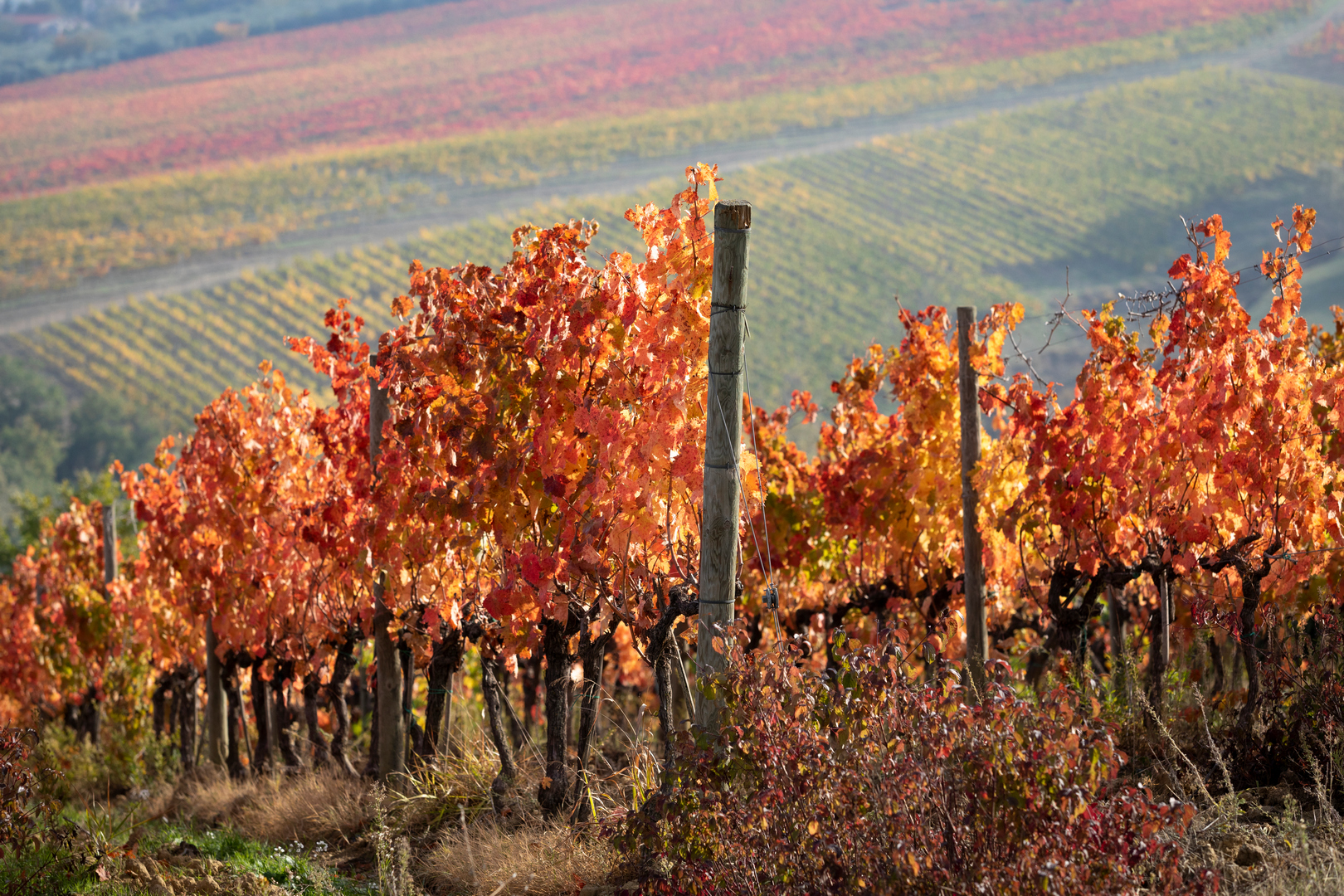
At the L’Antica Chiusina restaurant in Villa Grazianella, nestled within the Vino Nobile vineyards, chef Giuseppe Gravino‘s menu draws its inspiration from the late autumn season. Pici—the signature pasta of the Montepulciano area—find their autumn expression in long-simmered sauces and toppings featuring mushrooms or truffles. The wine list showcases all the labels of the group, including the Vino Nobile DOCG “Antica Chiusina”, which gives the restaurant its name.
Those stopping by for just an autumn lunch can choose the lunch with a view of Montepulciano, which pairs a visit to the experiential winery with a three-course tasting matched with three wines. For a more technical journey, there is “I cru di Tenute del Cerro”: four wines from each of the four wine estates, served alongside local cured meats, pecorino cheeses, and a tasting of the new olive oil.
Outdoors, the most suitable seasonal experience is the truffle hunt: three hours in the woods with the truffle hunter and his dog, followed upon return by a light lunch tailored around the morning’s bounty. Those who prefer to stay among the vineyards can book a 4×4 tour with the estate’s agronomist.
The best way to discover the flavors of autumn? Tasting them directly in their territory of origin, enhanced by the Tuscan and Umbrian wines of Tenute del Cerro.
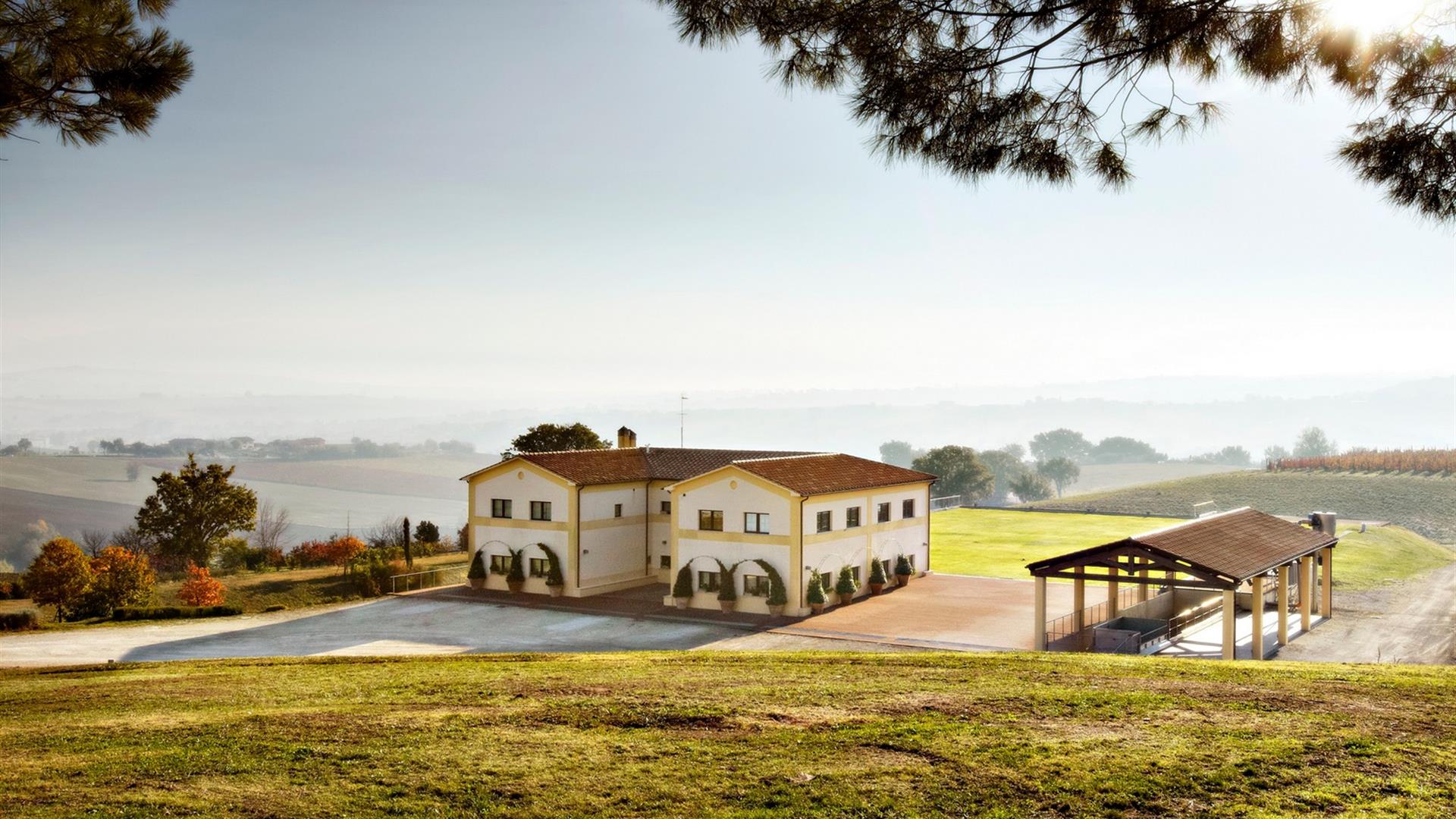
Còlpetrone