Complete guide to the “Pievi” and the zoning of Vino Nobile di Montepulciano
What are UGAs: the system of Additional Geographical Units in Italian wine
The zoning of Vino Nobile: the *Pievi* of Montepulciano
The role of the Leopoldine Cadastre in the zoning of Nobile
The Leopoldine Cadastre is the cadastral system introduced in the Grand Duchy of Tuscany in the early decades of the 19th century, under the rule of Leopold II of Lorraine. It is an extraordinarily precise document: detailed maps recording every property, every boundary, and every land use. For the Montepulciano area, the Leopoldine Cadastre preserves the subdivision into distinct subzones, each identified by a toponym—many of which correspond to the ancient pievi that organized the territory in the medieval period.
Cross-referencing these historical maps with modern geological and soil data made it possible to verify that past administrative boundaries reflected real differences in soil composition and terroir characteristics. Rural communities of the past knew their land through direct experience and had drawn its boundaries based on what they observed in the soil, crops, and landscape. The Leopoldine Cadastre provided an early historical trace of a territorial reality that has since been documented with scientific tools.
The Pieve project: from the producers’ assembly to the Official Gazette
The Vino Nobile di Montepulciano Consortium led the entire process of defining the subzones through a participatory, transparent, and shared method. Every winery within the appellation actively took part in the work of analysis, contributing production data, vineyard profiles, and observations accumulated over years of work in the vineyard.
The result—a regulation unanimously approved by the producers’ assembly—was not a foregone conclusion. Reaching agreement on geographic boundaries that directly influence the commercial value of wines and the recognition of individual producers requires a high level of mutual trust. The unanimous approval then led to clearance from the Tuscany Region and the Ministry of Agriculture, with publication in the Official Gazette on 5 February 2025 and full effectiveness starting from the 2021 harvest.
The 12 *Pievi* of Montepulciano: location and terroir
- Northern zone: Ascianello, Badia, Caggiole, Gracciano, Le Grazie, Cerliana (northeast)
Altitudes between 300 and 500 meters, predominantly clay-limestone soils with a good sandy component. The wines tend toward greater freshness and aromatic finesse.
- Southern zone: Sant’Albino, Cervognano (southeast), Sant’Ilario (southeast), Valardegna (southeast)
Lower elevations, between 250 and 400 meters, with silty-clay soils and Pliocene fluvial-lacustrine deposits. Structured wines, with important tannins and pronounced minerality.
- Western zone: San Biagio
Calcareous soils with the presence of galestro, well-drained. Elegant wines, with good acidity and a more delicate aromatic profile.
- Eastern zone: Valiano
A transitional area toward the Valdichiana, with predominantly clay soils and generally lower elevations. Wines of good concentration, with a firm tannic structure.
The characteristics of Vino Nobile di Montepulciano with the “Pieve” designation
The “Pieve” specification: rules and requirements
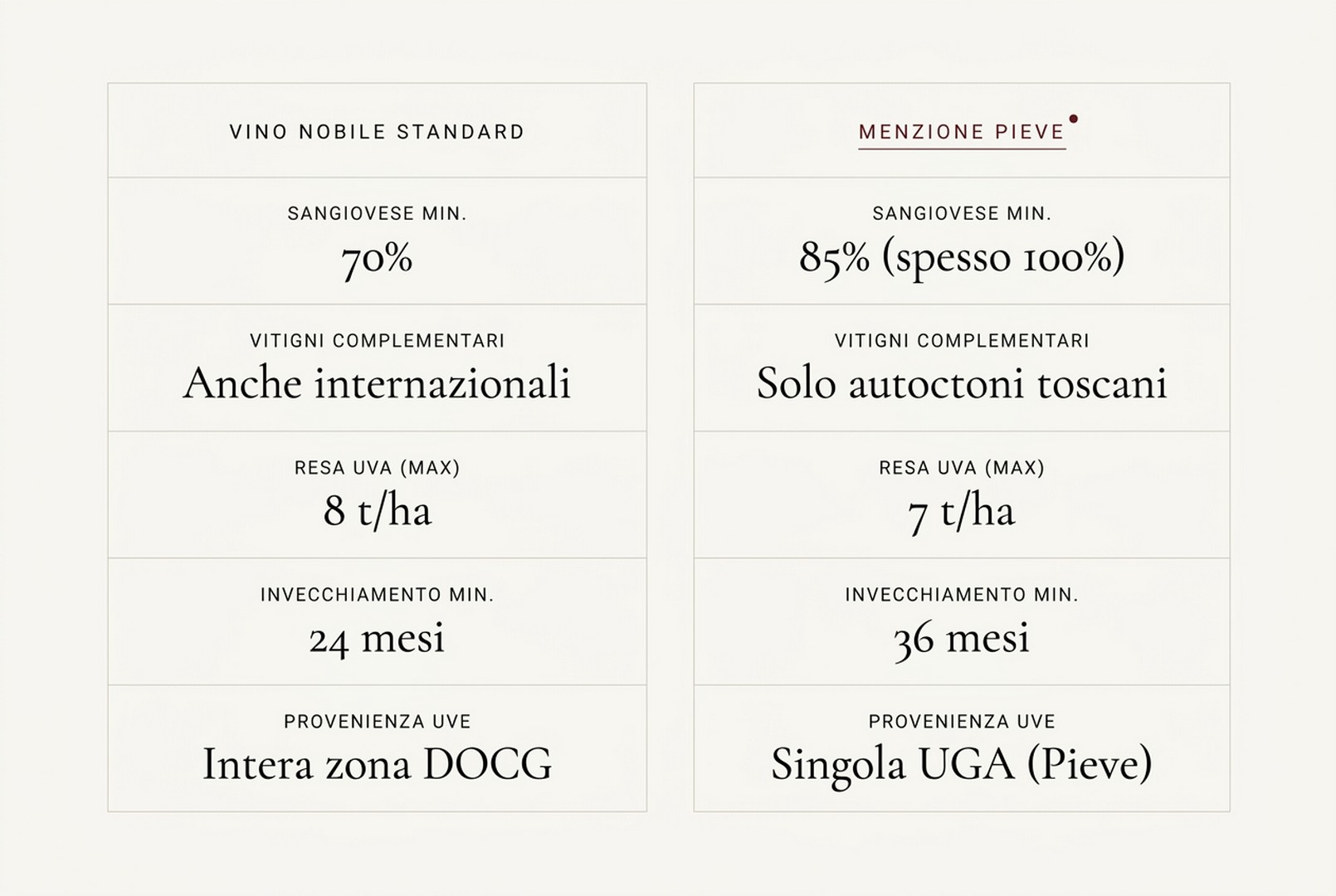
In Nobile di Montepulciano with the “Pieve” mention, Sangiovese (Prugnolo Gentile) must account for at least 85% of the blend of the Vino Nobile with the “Pieve” mention. The only permitted complementary grape varieties are native ones: Canaiolo (maximum 15%), Ciliegiolo (maximum 15%), Mammolo (maximum 15%), and Colorino (maximum 5%). International grape varieties and white grapes are not allowed – a choice that brings Vino Nobile back to its varietal roots and clearly distinguishes Pieve from the more flexible blends allowed under the base specification.
Vineyards must be at least 15 years old and directly managed by the winery that will bottle the wine. The maximum yield is set at 70 quintals per hectare of specialized cultivation, with a further limit of 2.5 kg per vine. Overproduction is not allowed: anything harvested beyond the limit cannot be used for Pieve.
What changes between a traditional Nobile DOCG and a Nobile with the “Pieve” mention
At this point, it is natural to ask: if both fall under the Vino Nobile di Montepulciano DOCG, what is the difference between a “standard” bottle and one with the “Pieve” mention? The differences are significant and concern both the production rules and the wine’s profile in the bottle.
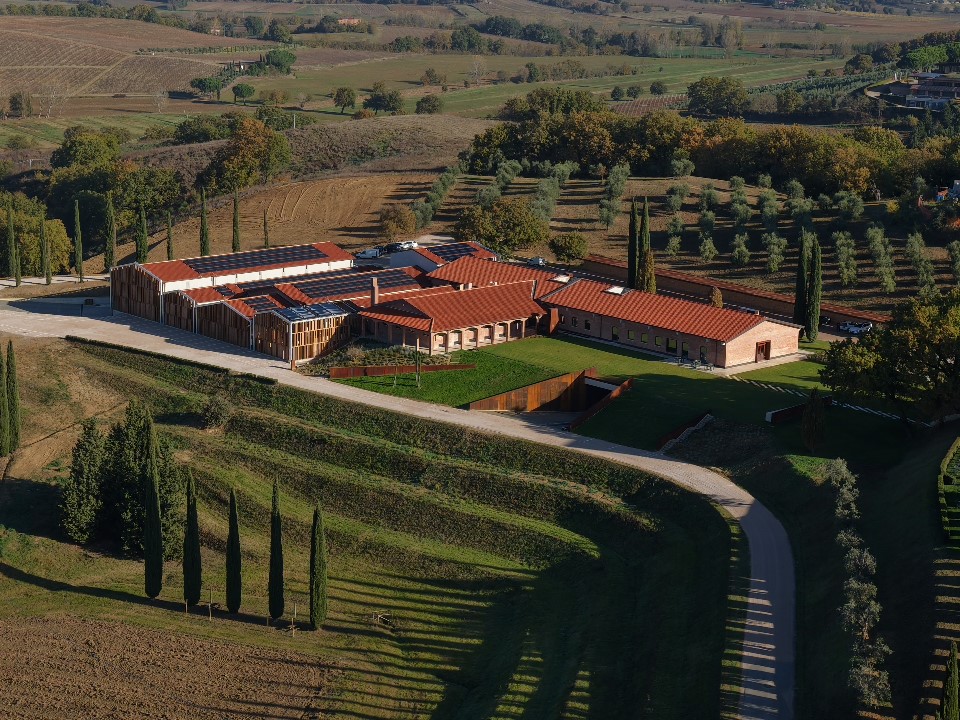
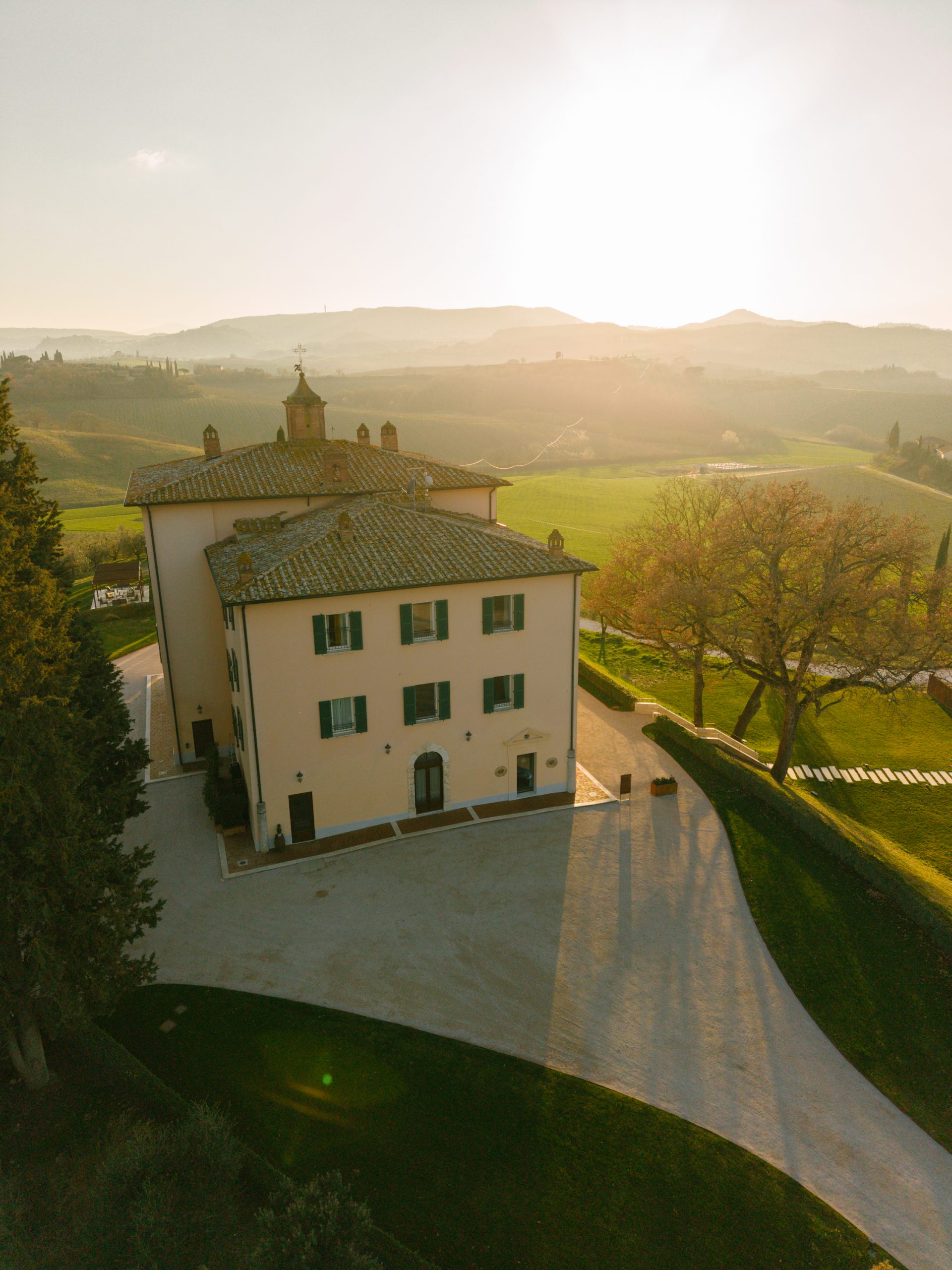
Pieve Sant’Ilario: the Nobile with “Pieve” mention among the labels of Fattoria del Cerro
Fattoria del Cerro